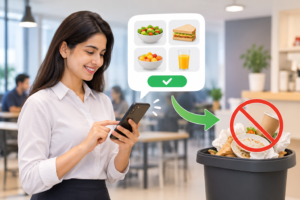
Food wastage is a growing challenge for corporate offices where employees regularly order meals, snacks, and beverages throughout the working day. Without an organized ordering process, businesses may prepare excessive food, purchase unnecessary supplies, and struggle to manage daily pantry requirements. These problems increase operational expenses and create avoidable waste.
Managing workplace refreshments requires proper planning, accurate employee orders, and better inventory coordination. Digital ordering solutions help businesses understand employee demand and prepare food according to actual requirements. Swyp provides a smarter Pantry Ordering App to help organizations organize employee requests, improve pantry operations, and reduce unnecessary food preparation.
Why Does Food Wastage Happen in Corporate Offices?
Corporate pantries handle multiple food and beverage requests throughout the day. When employees place orders through phone calls, messages, or verbal communication, pantry teams may receive incomplete or incorrect information.
Several factors contribute to workplace food wastage:
- Excessive food preparation without checking actual demand.
- Duplicate employee orders and incorrect requests.
- Purchasing more ingredients than necessary.
- Poor communication between employees and pantry staff.
- Limited visibility into daily food consumption.
- Unclaimed meals and beverages after preparation.
These challenges make it difficult for businesses to control food expenses. A digital ordering process can help organizations manage these activities more effectively.
1. Helps Prevent Excessive Food Preparation
One of the biggest reasons for food wastage is preparing more food than employees actually require. When pantry teams estimate demand without accurate ordering information, extra meals and refreshments may remain unused.
A Pantry Ordering App allows employees to submit their selections digitally. Pantry teams can review incoming requests and prepare food according to the information received.
This approach reduces guesswork and supports better preparation planning. Businesses can also identify popular food items and understand changing employee preferences.
By organizing requests in one place, companies can avoid unnecessary preparation and make better use of available food supplies.
2. Improves Employee Ordering Accuracy
Incorrect orders can contribute to unnecessary food preparation and wastage. For example, employees may communicate their requirements verbally, making it difficult for pantry staff to record every selection correctly.
Digital ordering gives employees a convenient way to select available products and submit their requirements. This reduces communication gaps and helps pantry teams understand what needs to be prepared.
An Employee experience platform supports convenient workplace services, while an Employees service platform helps organizations organize everyday employee requests.
A better Employee experience for workplace operations can also improve satisfaction. Similarly, a Workplace experience platform provides a more structured approach to managing everyday workplace activities.
3. Supports Better Inventory Planning
Poor inventory planning often leads to excessive purchasing and unused food supplies. Businesses may purchase additional ingredients because they do not have sufficient information about employee consumption patterns.
A Pantry Management System helps organizations organize pantry activities and improve inventory coordination. Businesses using office pantry management software can also monitor supplies and make more informed purchasing decisions.
When companies understand which products employees regularly order, they can plan stock levels more effectively. This reduces unnecessary purchasing and helps prevent food products from expiring before they are consumed.
Better inventory planning also makes daily pantry operations easier to manage.
4. Organizes Food and Beverage Requests for Meetings
Corporate offices frequently arrange meetings that require refreshments, snacks, and beverages. When these requests are managed separately through manual communication, pantry teams may prepare incorrect quantities or unnecessary items.
A Meeting Room Ordering System helps businesses organize refreshment requests for scheduled meetings. Employees can use a Meeting Room Ordering App to submit their requirements conveniently.
A QR code menu for meeting rooms also allows employees to explore available refreshments and place orders through a simple digital process.
These solutions help pantry teams understand meeting requirements before preparation begins. As a result, businesses can reduce unnecessary food preparation and improve refreshment coordination.
5. Reduces Unclaimed Food and Beverage Orders
Unclaimed food is another common reason for wastage in corporate workplaces. Employees may change their schedules, cancel plans, or forget about orders they previously submitted.
An organized digital ordering process makes employee requests easier to manage. Pantry teams can review order information and coordinate preparation according to submitted requirements.
Businesses can also improve beverage coordination through Coffee Ordering for Meeting Rooms, allowing employees to request refreshments according to their meeting needs.
Combining digital ordering with effective office pantry management practices helps organizations minimize unnecessary preparation and improve the use of available resources.
6. Improves Daily Pantry Operations
Managing workplace refreshments requires coordination between employees, pantry staff, and administrative teams. Without a structured process, organizations may experience unnecessary purchasing, inconsistent service, and limited operational visibility.
A tech-enabled pantry management service supports organized workplace ordering and helps businesses simplify routine pantry activities.
Modern corporate pantry management also benefits from digital solutions that make employee requests easier to organize and review.
By adopting better ordering practices, businesses can reduce operational pressure while improving food planning and resource utilization.
7. Helps Businesses Understand Employee Food Preferences
Understanding employee preferences is important for reducing food wastage. When businesses regularly prepare items that employees do not prefer, unused meals and refreshments can accumulate.
Digital ordering provides useful information about popular products and frequently requested items. Businesses can use this information to understand changing demand and adjust their food selections accordingly.
For example, if employees regularly order particular snacks or beverages, pantry teams can plan supplies around those preferences instead of purchasing products based on assumptions.
A Pantry Ordering App makes this process more organized by bringing employee requests into a centralized ordering experience.
This approach helps organizations improve food selection, manage purchasing decisions, and reduce unnecessary waste.
Why Should Businesses Choose Digital Pantry Ordering?
Traditional pantry ordering methods often depend on manual records, verbal communication, and individual employee requests. These methods become increasingly difficult to manage as organizations grow.
Digital ordering offers several practical advantages:
- Better demand visibility: Helps pantry teams understand employee requirements.
- Reduced food wastage: Supports preparation based on submitted orders.
- Improved order accuracy: Minimizes mistakes caused by manual communication.
- Smarter inventory planning: Helps businesses make informed purchasing decisions.
- Convenient employee access: Makes workplace refreshments easier to request.
- Organized operations: Reduces unnecessary administrative activities.
A digital Pantry Ordering App brings these advantages together and supports more efficient workplace food management.
How Swyp Helps Reduce Food Wastage
Swyp helps businesses modernize workplace food and beverage ordering through digital solutions designed for corporate environments.
Its workplace ordering capabilities help organizations manage employee requests, improve ordering convenience, and coordinate pantry activities more effectively.
By introducing an organized digital ordering process, businesses can make food preparation more demand-focused. Pantry teams can use submitted requests to understand requirements and reduce unnecessary preparation.
Organizations can also combine pantry ordering with meeting room ordering capabilities to manage refreshments across different workplace environments.
With better order visibility and structured requests, Swyp helps businesses work toward more responsible food usage and improved workplace operations.
Conclusion
Food wastage in corporate offices often results from excessive preparation, inaccurate orders, poor inventory planning, and unorganized communication. These challenges increase expenses and make everyday pantry operations more difficult.
Digital ordering provides a practical way to address these problems by helping employees submit accurate requests and allowing pantry teams to prepare refreshments according to demand.
Adopting a Pantry Ordering App can help businesses improve food planning, reduce unnecessary preparation, and create more organized workplace services. With Swyp, organizations can move toward smarter pantry operations while supporting a more convenient employee experience.