1. City living is rough on furniture, no way around it
Living in a busy city changes how furniture behaves in your home. It gets used more, moved more, and honestly abused a little without anyone meaning to.
Doors slam. People drop bags on couches. You eat on the sofa more than you should admit. So when you’re choosing pieces, you’re not just thinking about looks. You’re thinking about survival.
That’s where most people mess up. They pick what looks good in a showroom, not what can actually handle daily life in a tight, active space.
2. Start with build quality, not style
Style is easy. Quality is the hard part.
If the frame is weak, everything else falls apart fast. Hardwood frames last longer than particleboard. Metal can work too, but it depends on the build.
A lot of furniture looks solid until you sit on it a few times. Then it starts creaking or shifting. That’s your warning sign.
In busy homes, especially apartments, you want furniture that feels stable from day one. No wobble. No flex.
3. Upholstery matters more than people think
Fabric or leather, it doesn’t really matter as long as it’s durable and easy to maintain.
In high-use homes, cheap fabric shows wear quickly. Stains set in, fibers loosen, it starts looking tired fast.
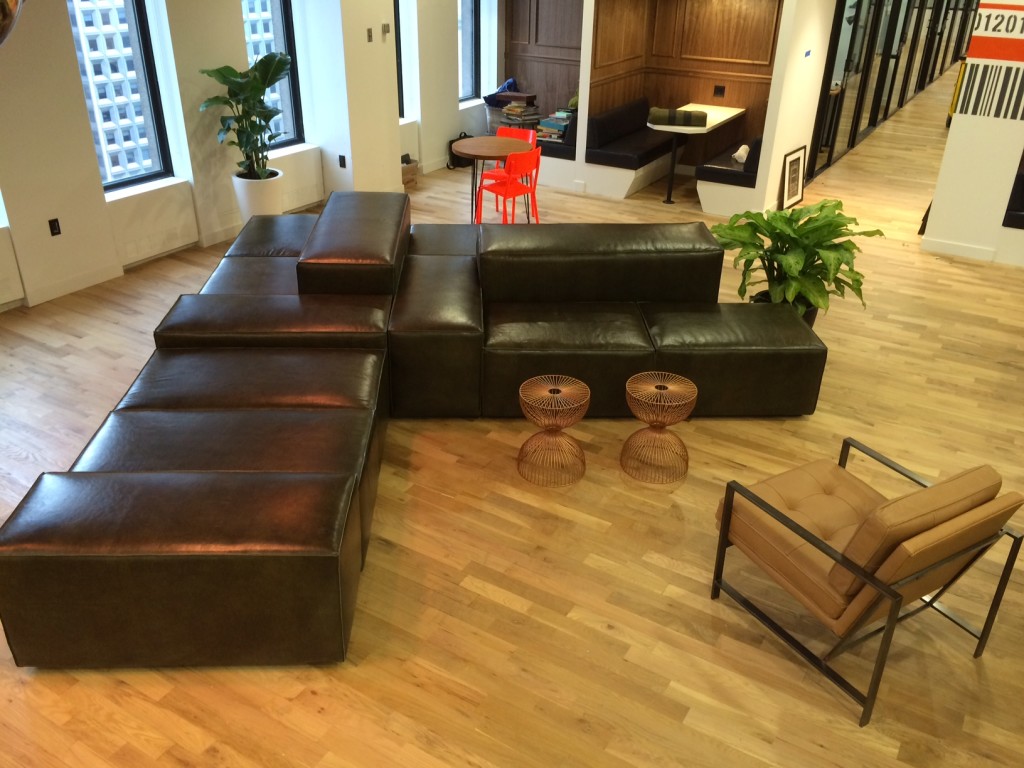
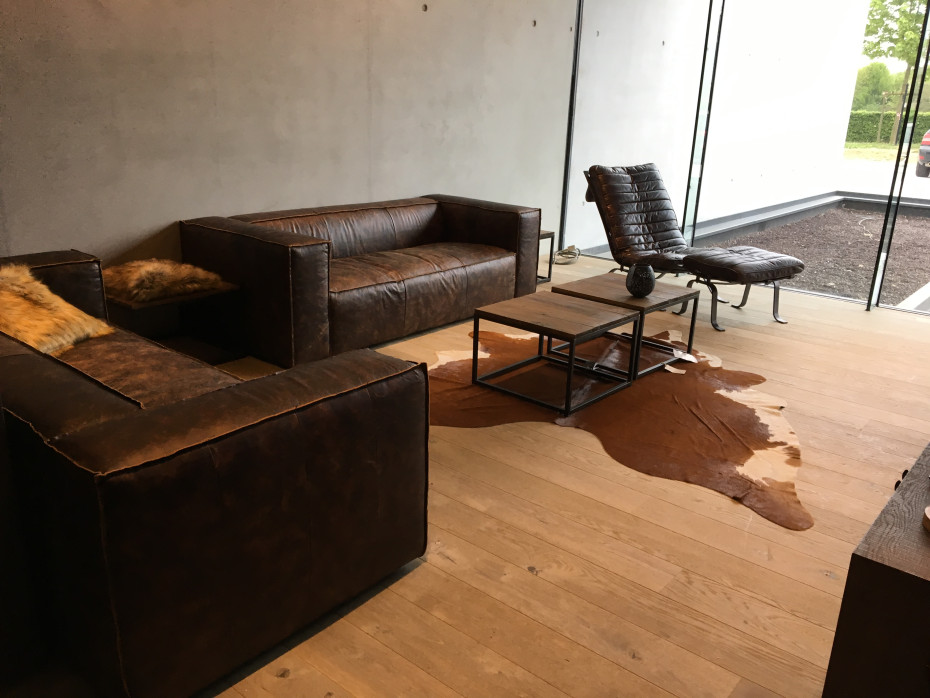
leather furniture new york holds up better if you pick the right type. It can scratch, sure, but it also ages in a way that feels intentional, not just damaged.
The key is not overthinking aesthetics. Think daily use first, then style second.
4. Size and space can make or break durability
This sounds odd, but overcrowding ruins furniture faster.
If a sofa is too big for a room, people bump into it constantly. Corners get worn. Legs take hits. Even cushions lose shape unevenly.
A well-fitted piece just lasts longer because it isn’t fighting the space.
Measure properly. Then measure again. It’s boring, but it saves money later.
5. Don’t ignore the cushions and support system
People usually test furniture by sitting once. That’s not enough.
Cushions tell you a lot. High-density foam holds shape longer. Cheap foam goes flat quickly and never really comes back.
Also check the support underneath. Eight-way hand-tied springs or solid support systems tend to outlast basic setups.
If it feels good in the store but too soft or too loose, it’s not going to magically improve at home.
6. City homes need low-maintenance choices
Time is limited in busy households. Nobody wants furniture that needs constant care.
Go for materials that clean easily. Surfaces that don’t trap dust or stains too deep. Finishes that don’t require special treatment every few months.
This is where practical thinking wins over fancy design.
If you’re spending weekends cleaning furniture instead of relaxing, something’s off.
7. Think about how the furniture will actually be used
This is the part people skip.
A couch in a single-person apartment gets used differently than one in a shared family space. Dining tables in city homes often double as workspaces. Beds sometimes turn into seating areas too.
So when choosing, don’t think “what is this piece for.” Think “what will I actually do on it.”
That mindset changes everything.
8. Repairs and replacement should be easy
Even good furniture gets damaged eventually. That’s just real life.
What matters is whether you can fix it or not. Removable cushion covers, replaceable parts, simple construction. These things extend lifespan more than people realize.
If something breaks and the only solution is replacing the whole piece, that’s a problem.
In busy city homes, flexibility matters just as much as strength.
9. Don’t get fooled by short-term comfort
Some furniture feels amazing for the first month. Soft, deep, almost too comfortable.
Then it starts sinking. Losing shape. Getting uneven.
Long-lasting furniture usually feels a bit firmer at first. Not uncomfortable, just structured.
It’s one of those trade-offs people don’t like hearing, but it’s true.
10. Buy fewer pieces, but better ones
City homes don’t need clutter. They need function.
It’s better to invest in a few strong pieces than fill the space with cheaper items that wear out quickly.
A solid sofa, a reliable table, a durable bed. That’s enough for most spaces.
Everything else should support those core pieces, not compete with them.
Conclusion
Choosing furniture store Rochester NY for busy city homes isn’t really about trends or perfect interiors. It’s about durability, comfort, and how life actually happens in the space.
If you focus on build quality, smart sizing, and materials that can handle daily wear, you’ll end up replacing things less often. And honestly, that’s the real win.