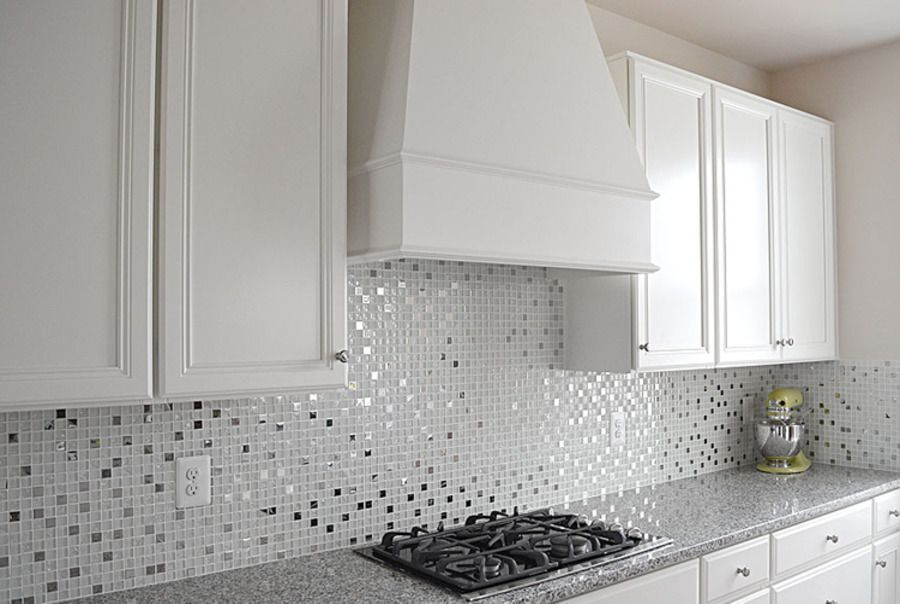
A kitchen backsplash can protect your walls from cooking splashes while adding color, texture, and personality to the room. With so many tile styles, patterns, colors, and materials available, choosing the right option can feel overwhelming. Professional Backsplashes service can help homeowners compare materials and create a backsplash that works with their countertops, cabinets, and overall kitchen design.
1. Consider Your Kitchen’s Existing Style
Before choosing a backsplash, look at the elements already in your kitchen.
Cabinet color, countertops, flooring, appliances, hardware, and wall paint should all work together. If your kitchen already has several strong design elements, a simple backsplash may create a more balanced appearance.
On the other hand, a neutral kitchen can benefit from a backsplash with more color, texture, or pattern.
The goal is not necessarily to make every element match perfectly. Instead, choose materials that complement each other.
2. Choose a Material That Fits Your Needs
Backsplashes are available in many different materials, and each has its own characteristics.
Ceramic and porcelain tiles are popular because they come in many colors and patterns. Natural stone can provide a more organic appearance, while glass can create a bright and contemporary look.
Other options may include mosaic tiles, metal finishes, and specialty materials.
When comparing materials, consider appearance, durability, cleaning requirements, installation, and budget.
3. Think About Maintenance
The kitchen is one of the busiest areas of a home, so the backsplash should be practical to maintain.
Cooking oils, sauces, food particles, and water can end up on the wall behind the stove or sink. A material that is easy to wipe clean can make everyday maintenance simpler.
Grout also deserves attention. Light-colored grout may show stains more easily, while darker grout can hide some everyday marks.
Ask about the recommended cleaning products and maintenance requirements before selecting a particular material.
4. Coordinate the Backsplash With Your Countertop
Your backsplash and countertop occupy large visual areas, so they should complement each other.
If the countertop has strong veining or a detailed pattern, a simpler backsplash can prevent the kitchen from looking too busy.
If the countertop is relatively plain, the backsplash can introduce additional visual interest through color, texture, or pattern.
You can also use similar tones to create a seamless appearance. Bringing countertop and backsplash samples together is one of the easiest ways to evaluate how they will look as a combination.
5. Decide How Much of the Wall to Cover
A backsplash does not have to stop at a standard height.
Some kitchens use a backsplash only between the countertop and upper cabinets, while others extend the material higher behind the range or across an entire wall.
A full-height backsplash can create a dramatic focal point, particularly behind a cooking area or island wall.
The right coverage depends on the kitchen’s layout, design goals, and budget.
6. Think About Color
Color can dramatically change the atmosphere of a kitchen.
White and neutral backsplashes can make a space feel clean and bright. Earth tones can create a warmer appearance, while darker colors can add contrast.
If you plan to keep your kitchen for many years, consider whether you will still enjoy the color after current trends change.
A timeless base color can also be combined with smaller decorative elements if you want personality without committing to an extremely bold design.
7. Consider Tile Size and Pattern
Tile size can affect how large or small a kitchen appears.
Large tiles have fewer grout lines and can create a clean, spacious appearance. Smaller tiles and mosaics can provide more detail but may require additional grout maintenance.
The pattern matters as well. A traditional brick layout has a very different visual effect from a stacked, diagonal, or geometric arrangement.
Before installation, ask to see examples of the proposed pattern so you understand how it will look across the entire wall.
8. Think About Your Kitchen’s Lighting
Lighting can change how backsplash materials appear.
Natural sunlight may make certain colors look brighter during the day, while warm artificial lighting can change the appearance of whites and neutrals.
Glossy materials may reflect light and make a kitchen feel brighter. Matte finishes generally provide a softer appearance with less reflection.
If possible, look at your backsplash samples under the actual lighting conditions in your kitchen before making a final decision.
9. Don’t Forget the Area Behind the Stove
The wall behind the range often receives more heat, grease, and food splashes than other parts of the kitchen.
This makes material selection particularly important in that area.
Choose a surface that is appropriate for the conditions and follow the manufacturer’s recommendations for installation and cleaning.
A well-designed range backsplash can also become a focal point. Some homeowners use a decorative tile pattern or contrasting material in this area while keeping the rest of the backsplash simpler.
Backsplashes Service in Cape Coral, FL
Homeowners considering a kitchen update can benefit from professional Backsplashes service in Cape Coral, FL when they need help with material selection, layout, preparation, and installation.
Cape Coral kitchens can vary considerably in size and design, so there is no single backsplash style that works for every home. The right option should complement the existing cabinets, countertops, flooring, and overall interior.
Professional installation can also help ensure that tiles are properly aligned, surfaces are prepared correctly, and edges and corners have a clean finished appearance.
10. Consider Your Budget
A backsplash project can range from a relatively simple update to a major design feature.
Material is only one part of the cost. The total project may also include surface preparation, removal of an existing backsplash, installation, grout, trim pieces, outlets, and other finishing details.
Set a budget before selecting materials. Then compare options within that range.
You do not necessarily need an expensive material to create an attractive kitchen. A well-planned layout and professional installation can make a significant difference even with a moderately priced tile.
Why Professional Installation Can Be Worthwhile
Installing backsplash tile may appear straightforward, but achieving a clean result requires careful measurement and preparation.
Walls may not be perfectly level, and outlets, corners, windows, cabinets, and appliances can create challenging areas.
Professional installers know how to handle these details and can help reduce problems such as uneven tile lines, poor cuts, inconsistent spacing, or improperly finished edges.
Proper installation also helps ensure that the backsplash performs its protective function over time.
Common Backsplash Mistakes to Avoid
One common mistake is choosing a backsplash before considering the countertop. Since both surfaces are highly visible, they should be selected as part of the same overall design.
Another mistake is focusing only on appearance and ignoring maintenance. A material that looks great but requires more care than you want to provide may become frustrating over time.
Choosing an overly complicated pattern can also make a small kitchen feel visually crowded.
Finally, avoid rushing the selection process. Order samples and view them at different times of the day before making your final decision.
Final Thoughts
The right backsplash should balance appearance, practicality, maintenance, and budget. Start by considering your kitchen’s existing design, then compare materials, colors, patterns, tile sizes, and coverage options.
Whether you want a simple neutral backsplash or a distinctive statement wall, professional installation can help bring the design together.
For homeowners planning a kitchen update, Backsplashes service in Cape Coral, FL can provide valuable assistance from material selection through installation. With thoughtful planning, a backsplash can protect your walls while becoming one of the most attractive details in your kitchen.