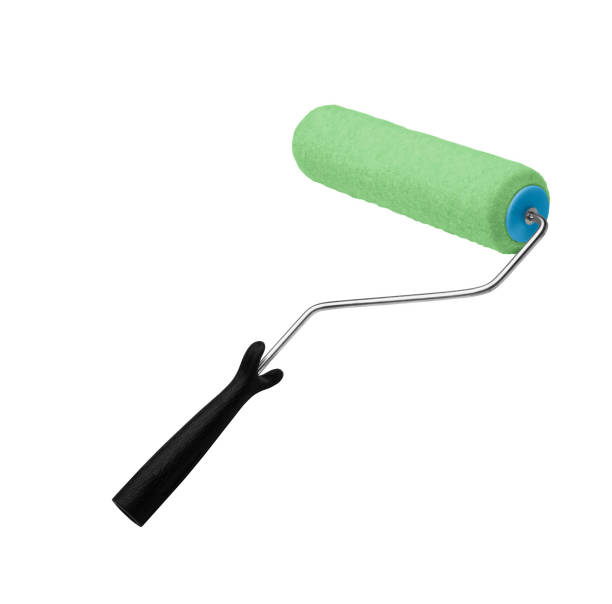
Picking the right roller refill sounds simple, until you’re halfway through a wall and the finish looks… off. Uneven, patchy, maybe even a bit rough. Happens more than people admit. The truth is, your roller cover matters just as much as the paint itself. Especially if you’re using something like a paint roller refill 4 inch, which is great for tight spots but easy to misuse if you don’t know what you’re doing. This guide isn’t fancy. It’s just what actually works, what doesn’t, and how to avoid wasting time (and paint).
Understanding What a Paint Roller Refill Actually Does
A roller refill isn’t just a sponge that holds paint. It controls how the paint spreads, how thick it goes on, and what the final texture looks like. Cheap refill, cheap result. Simple as that. Different materials—microfiber, foam, woven—grab and release paint differently. Some hold a lot but dump it unevenly. Others give a smooth finish but need more dipping. There’s no “one size fits all” here, even though stores kind of pretend there is.
Why Size Matters More Than People Think
Let’s talk size for a second. A paint roller refill 4 inch is not meant for big open walls, even if you try to force it. It’s built for control. Edges, corners, small wall sections, touch-ups. That’s where it shines. You get precision without dragging a bulky roller around. But use it on a full wall? You’ll slow yourself down, and worse, you might end up with overlap marks because of inconsistent pressure. Bigger rollers cover more, but smaller ones—yeah, they’re about detail.
Choosing the Right Nap Length (This Is Where Most People Mess Up)
Nap length is basically the thickness of the roller fibers. Short nap, smooth finish. Long nap, rough surfaces. Sounds simple, but people still get it wrong all the time. If you’re painting a smooth plaster wall, stick to a shorter nap—something like 3/8 inch. Go longer only if the surface is rough, like textured drywall or brick. Using a long nap on a smooth wall? You’ll leave a weird, almost fuzzy texture. Not great. And fixing it later is a pain.
Material Makes a Bigger Difference Than You Expect
Microfiber rollers are kind of the safe bet. They hold paint well, spread it evenly, and don’t splatter too much. Good for most wall jobs. Foam rollers, on the other hand, are better for super smooth finishes, like cabinets or doors—not really ideal for standard walls. Then you’ve got woven or synthetic blends, which are durable but sometimes leave lint if they’re low quality. So yeah, don’t just grab whatever’s cheapest on the shelf. It shows.
Matching the Roller Refill to the Paint Type
Not all paints behave the same. Thick paints need a roller that can actually carry them without clumping. Thinner paints? You want control, or they’ll drip everywhere. For water-based paints (which most people use now), microfiber or synthetic rollers work well. Oil-based paints can be trickier—they need a more durable cover that won’t break down halfway through the job. It’s not complicated, but ignoring this part usually leads to frustration.
When to Use a 4 Inch Roller (And When Not To)
A paint roller refill 4 inch is perfect for narrow areas—behind radiators, along trim, inside corners. It’s also great for cutting in if you don’t trust your brush work. Some people even use it for small feature walls. But don’t overdo it. It’s not built for speed. Trying to paint an entire room with it is… honestly, just inefficient. Use it where it makes sense, then switch to a standard 9-inch roller for the main sections. Work smarter, not harder.
Don’t Ignore Quality—It Shows on the Wall
Here’s the blunt part. Cheap roller refills shed. They leave lint in your paint. Sometimes you won’t notice until the paint dries, and then—yeah, too late. You’ll see tiny fibers stuck in the finish. Good quality refills cost a bit more, but they save you time and rework. And no one enjoys sanding down a freshly painted wall just to fix something that could’ve been avoided.
A Quick Word on Prep Tools (Because They Matter Too)
People focus so much on rollers they forget everything else. Trays, extension poles, even brushes—they all play a role. Especially brushes. If you’re doing edges and detail work, having decent ones matters. A lot of pros actually keep chip brushes in bulk around for rough or disposable tasks—glue, touch-ups, quick fixes. They’re not fancy, but they get the job done without ruining your good tools. It’s a small thing, but it helps.
Common Mistakes to Avoid (Yeah, There Are Plenty)
Overloading the roller is a big one. People dip it, don’t roll off the excess, then slap it on the wall. Drips, streaks, uneven patches. Another mistake—pressing too hard. Let the roller do the work. Pressing just squeezes paint out unevenly and flattens the nap. Also, not cleaning or prepping the roller before use. Even new ones can have loose fibers. A quick rinse goes a long way, even if it feels unnecessary.
Conclusion
Choosing the right roller refill isn’t complicated, but it’s also not something you can ignore. The right size, the right nap, the right material—it all adds up to a better finish. Or a worse one, if you get it wrong. A paint roller refill 4 inch is a solid tool when used properly, especially for detail work and smaller areas. Just don’t expect it to do everything. Pick your tools based on the job, not convenience. It’ll save you time, paint, and a bit of frustration too.