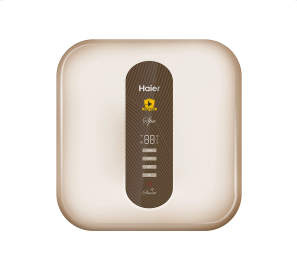
Small bathrooms leave little room for mistakes. A bulky geyser can block the shower area, hang awkwardly over the door, or leave you with lukewarm water halfway through a bath.
The right water heater fits your wall, matches your hot water needs and keeps power use under control. The wrong one wastes space and money.
This guide shows you how to choose. You will learn the difference between instant and storage models, how to pick the right size, and which safety features matter in a compact bathroom.
Check Your Bathroom Space First
Before comparing models, look at your wall and ceiling. Measure the available height, width and depth, and note where the pipes and power point sit.
Ask yourself these questions:
- Is there enough wall height for a vertical unit?
- Is the ceiling low, so a horizontal unit would suit better?
- Will the heater sit away from the shower spray?
- Is the wall strong enough to carry a full tank?
In a compact bathroom, a few inches matter. Always check the product dimensions on the label before you buy.
Is an Instant Water Heater Right for You?
An instant water heater heats water as it flows through, so you get hot water within seconds. It has a very small tank, which makes it ideal where space is tight.
It works well for:
- Washing hands, face and utensils
- Shaving and quick rinses
- Small bathrooms used by one or two people
- Guest bathrooms and kitchenettes
However, it is not ideal for full shower baths. The flow is limited, and the high wattage needs proper wiring. If your family takes daily baths at the same time, a storage model is usually better.
Which Water Heater Suits a Small Bathroom Best?
For most small bathrooms, a compact storage water heater of 6 to 15 litres strikes the best balance. It gives enough hot water for bucket baths, fits on a narrow wall and heats up in a reasonable time. Choose an instant model only if your needs are light.
Wattage matters too. Most storage models use 2000W, which heats water faster than lower ratings. Instant models often use 3000W or more, so check that your wiring and MCB can handle the load.
A quick example helps. A couple in a 1BHK flat who bathe one after another with a short gap will do well with a 10 litre storage unit. A bachelor who only needs warm water for washing may be happy with an instant model.
Best Water Heater for Bathroom: Key Features
The best water heater for bathroom use balances size, safety and efficiency. Check these points.
- Compact design: Slim and well-proportioned units save wall space.
- Tank material: Glass-lined or stainless steel tanks resist rust and last longer.
- Safety features: Look for a thermal cut-out, pressure relief valve and ISI mark.
- Insulation: Good insulation keeps water hot for hours and saves power.
- Star rating: Higher-rated models lose less heat and cost less to run.
- Anti-rust anode rod: It protects the tank, especially in hard water areas.
- IP rating: Higher splash protection suits damp bathrooms.
- Indicator light and thermostat: They help you control temperature easily.
- Service support: A dependable network in your city saves trouble later.
Installation Tips for Small Bathrooms
Good installation keeps the unit safe and efficient.
- Place it away from direct water spray. Keep it above and to the side of the shower.
- Use a proper three-pin socket with an earthing connection and a dedicated MCB.
- Keep the heater close to the tap so hot water travels a shorter distance.
- Check wall strength. A full 15 litre tank is heavy, so use strong fittings.
- Choose vertical or horizontal to match your ceiling height.
- Use a qualified installer. Poor plumbing or wiring is a safety risk.
- Leave room for servicing, so the technician can reach the unit easily.
Common Mistakes to Avoid
- Buying too large a tank. It crowds the bathroom and wastes power.
- Choosing an instant model for full showers. The flow may disappoint you.
- Ignoring safety marks. Cheap, uncertified units can be dangerous.
- Skipping the wall check. A weak wall can lead to damage.
- Leaving it on all day. Switch it on 15 to 20 minutes before use.
- Forgetting yearly maintenance. Descale the tank and check the anode rod once a year, especially in hard water areas.
Conclusion
The right water heater for a small bathroom is the one that fits your wall, your family size and your routine. A compact storage model suits most homes, while an instant unit works for light use and tight corners.
Measure your space, count your daily users and put safety first. That simple approach saves you from regret later.
Ready to compare? Browse the water heater range at Haier India and check capacities, ratings and safety features to find the right fit for your bathroom.