Electrical systems operating in marine, industrial, outdoor, and underwater environments face challenges that are rarely encountered in dry indoor installations. Moisture, saltwater, pressure, vibration, corrosion, and temperature changes can gradually weaken electrical connections and cause unexpected failures.
Choosing the right connector is therefore an important part of designing a dependable electrical system. Watertight connectors are specifically designed to protect electrical connections from water and environmental exposure while maintaining stable electrical performance.
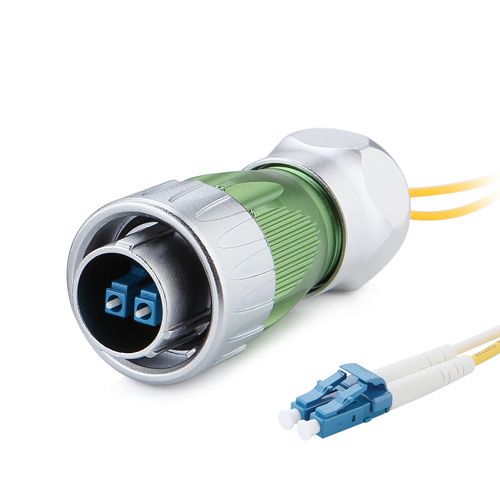
A well-designed Micro 10-16 Core Watertight Connector can provide a practical solution when several electrical circuits need to be connected in a compact space. By combining multiple contacts with environmental protection, these connectors can help engineers create cleaner, safer, and more reliable installations.
Why Electrical Reliability Matters
Electrical reliability means more than simply making sure equipment turns on. A reliable connection should maintain consistent electrical conductivity over time despite environmental stress. A weak connection can produce voltage drops, intermittent signals, overheating, corrosion, or complete circuit failure.
In marine and underwater applications, these problems can become particularly serious. Water can enter poorly protected connections and reach conductive components. Saltwater is especially aggressive because it can accelerate corrosion and create unwanted electrical pathways.
For industrial equipment, unreliable connections can also result in production interruptions and costly maintenance. Outdoor equipment faces similar risks from rain, humidity, condensation, and temperature fluctuations. Using appropriately sealed connectors helps reduce these risks at the connection point.
The Role of Watertight Connector Design
Watertight connectors are designed with sealing systems that help prevent water and moisture from reaching electrical contacts. Depending on the connector design, sealing may involve O-rings, gaskets, compression seals, molded components, or other environmental protection technologies.
The quality of the sealing system is important because even a small pathway for moisture can eventually affect electrical performance. A properly selected connector should match the environmental conditions in which it will operate.
A Micro 10-16 Core Watertight Connector is particularly useful where multiple conductors are required without using a large connector body. Its compact format can help save installation space while providing several electrical connection points.
Protection Against Moisture and Corrosion
One of the biggest advantages of watertight connections is their ability to reduce exposure to moisture. When water reaches metal contacts, corrosion can gradually develop. Corroded contacts may increase electrical resistance and create intermittent connections.
Saltwater environments can accelerate this process. Marine equipment therefore requires connectors and materials capable of handling harsh conditions. Selecting suitable contact materials, sealing components, and connector construction can significantly improve long-term reliability.
Regular inspection is still important. Even highly protected connectors should be checked for damaged seals, cracks, contamination, loose components, and signs of corrosion. Preventive maintenance can identify problems before they develop into system failures.
Compact Connections for Space-Limited Systems
Modern electrical equipment is becoming increasingly compact. Control systems, sensors, communication equipment, underwater instruments, and marine electronics may have limited space for wiring and connectors.
Using a Micro 10-16 Core Watertight Connector can help simplify installations that require multiple electrical cores in a relatively small footprint. Instead of managing numerous individual connection points, technicians can use a multi-core connector to organize several circuits through one connection interface.
This can also improve cable management. A cleaner wiring arrangement makes it easier to identify circuits, perform inspections, and carry out future maintenance.
Improving Signal and Power Stability
Environmental protection is only one part of electrical reliability. The connector must also provide dependable contact between mating components. Poor contact pressure, contamination, mechanical damage, or improper assembly can introduce resistance into the circuit.
For applications involving sensitive sensors or communication signals, stable connections are especially important. Even small interruptions can affect data transmission or sensor readings.
For power applications, a poor connection may generate heat as current passes through increased resistance. Over time, excessive heat can damage surrounding components. Properly rated connectors, correct assembly procedures, and appropriate cable selection are therefore essential.
Choosing the Correct Connector
Connector selection should begin with the operating environment and electrical requirements. Consider factors such as:
- Number of electrical cores required
- Voltage and current requirements
- Cable size
- Operating temperature
- Water and moisture exposure
- Pressure conditions
- Vibration and mechanical movement
- Required sealing or ingress protection
- Materials and corrosion resistance
- Available installation space
- Expected mating cycles
A Micro 10-16 Core Watertight Connector may be appropriate for compact multi-core applications, but its electrical and environmental specifications should always be checked against the requirements of the project.
Using a connector simply because it is compact can lead to problems if its current capacity, sealing performance, or mechanical characteristics do not match the application.
Proper Installation Makes a Difference
Even a high-quality watertight connector can fail if it is installed incorrectly. Before installation, technicians should inspect the connector, cable, seals, and contact areas for damage or contamination.
Cables should be prepared according to the manufacturer’s instructions. Avoid excessive bending or pulling near the connector because mechanical stress can damage seals or contacts. The connector should also be fully mated and secured according to its specified locking mechanism.
Where applicable, strain relief should be used to prevent cable movement from transferring force directly to electrical contacts. Correct installation helps preserve the environmental seal and reduces the possibility of intermittent electrical faults.
Maintenance and Inspection
Preventive maintenance is an important part of electrical reliability. Connectors operating in demanding environments should be inspected at appropriate intervals based on exposure and application.
Look for visible corrosion, damaged sealing components, loose locking mechanisms, contamination, cracked housings, or signs of overheating. If a connector has been exposed to harsh conditions, cleaning and inspection may be necessary before reconnecting equipment.
Keeping accurate maintenance records can also help identify recurring problems. If failures repeatedly occur at the same connection point, the underlying cause may involve cable strain, incorrect connector selection, excessive environmental exposure, or installation problems.
How Hysfsubsea Supports Reliable Connections
Hysfsubsea focuses on connection solutions designed for demanding environments where dependable electrical performance and environmental protection are important. By considering compact designs, multi-core configurations, sealing requirements, and harsh operating conditions.
The brand can support applications where conventional electrical connections may not provide sufficient protection. Selecting the right connector for each project helps engineers improve system organization, reduce environmental risks, and support dependable long-term operation.
Conclusion
Electrical reliability depends on every part of a system, including the connections between cables and equipment. Moisture, corrosion, vibration, pressure, and mechanical stress can all compromise electrical performance when connections are not properly protected.
Watertight connectors provide an effective way to protect electrical interfaces in challenging environments. Compact multi-core designs can further simplify installations where space is limited and several circuits need to be connected.
With proper connector selection, careful installation, regular inspection, and suitable maintenance practices, businesses can reduce connection-related failures and improve overall system reliability.