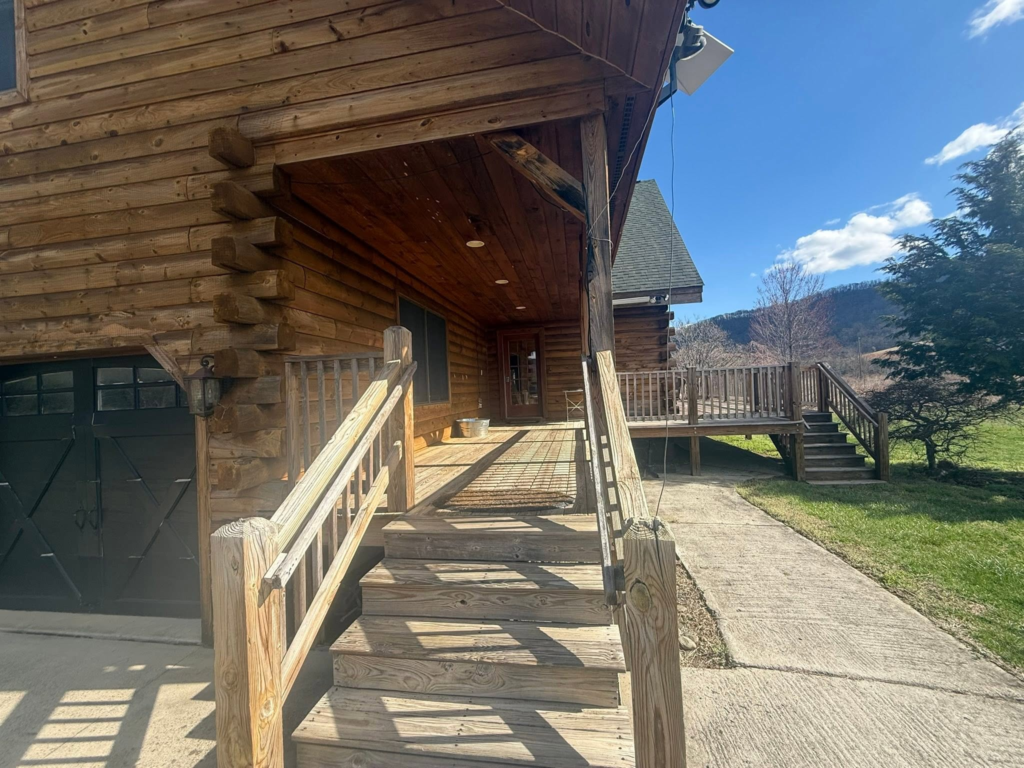
A log cabin has a look that regular houses just can’t fake. The timber, the grain, the smell after rain, all of it gives the place some character. But that natural beauty doesn’t stay perfect on its own. Weather gets to the wood, moisture finds little openings, and small problems slowly turn into expensive ones. That’s where log house restoration can make a real difference when the cabin has already started showing its age. The good news is, you usually don’t need to wait until things are falling apart. A bit of attention every year can keep the logs healthy, the finish looking good, and the whole property feeling like the cabin you fell in love with in the first place.
Start by Checking the Logs Regularly
The easiest way to protect a log cabin is also the one people skip most often. Walk around it and actually look at the logs. Check for cracks, soft spots, dark staining, insect activity, peeling finishes, or areas that stay damp after rain. Pay extra attention around windows, doors, roof edges and places where water tends to run down the wall. You don’t need to be a timber expert to spot something that looks wrong. If one section feels softer than the wood around it, that deserves a closer look. Catching deterioration early means a small repair may be enough. Leave it for several seasons and you could be dealing with rot that has spread deeper into the wall.
Keep Water Away From the Timber
Water is one of the biggest enemies of a log home. Sounds obvious, but it’s worth saying anyway. Gutters should be clean and working properly, downspouts should carry water away from the foundation, and the roof needs to shed rain without dumping it straight against the logs. Look at the ground around the cabin too. If rainwater collects beside the walls, you’ve got a problem waiting to happen. Branches and thick plants touching the exterior can also hold moisture against the wood. Trim them back. Logs need a chance to dry out properly after wet weather. A beautiful stain won’t save timber that stays wet all the time.
Protect the Exterior Finish
The finish on your cabin isn’t just there to make the logs look pretty, although that certainly helps. A quality stain or protective coating helps shield the timber from sunlight, moisture and general weathering. Over time, finishes fade and lose their protective ability. That’s normal. Don’t wait until the wood looks completely dry and grey before doing something about it. Clean the exterior carefully, inspect the surface, and recoat when needed according to the product and the condition of the logs. The exact schedule can vary depending on climate, exposure and the type of finish used. South-facing walls, for example, can take a beating from the sun.
Deal With Cracks and Gaps Before They Grow
Timber naturally moves as temperatures and moisture levels change. So, some checking and cracking is normal in a log cabin. The problem is when cracks become large enough to let water or air into places they shouldn’t. Gaps around log joints, windows and doors deserve attention as well. Small openings are easier to repair than large ones, plain and simple. If you notice recurring gaps, don’t just keep filling them without figuring out why they’re happening. Movement in the logs, settling, moisture problems or poor previous repairs may be behind it. Fixing the cause matters just as much as fixing the visible gap.
Stay Ahead of Rot and Decay
Rot doesn’t usually announce itself with a big warning sign. It can start in a small damp area and slowly work its way through the timber. Check the lower logs especially carefully because they’re closer to splashback, snow, soil and standing moisture. Probe questionable areas gently and look for changes in texture or color. If you find soft or badly damaged timber, get professional advice rather than covering it up with stain. Sometimes only a small section needs replacing. Other times, the damage is deeper. That’s when proper log cabin repair or restoration becomes important, because cosmetic fixes won’t solve structural deterioration.
Don’t Ignore the Roof and Drainage
Your roof protects far more than the rooms underneath it. It protects the logs too. Damaged shingles, loose flashing, blocked gutters and poorly directed drainage can send water exactly where you don’t want it. Check roof valleys, chimney areas and flashing after heavy storms. Gutters should be cleaned before they overflow and dump water down the cabin wall. Downspouts should extend far enough away from the structure that water isn’t simply soaking back toward the foundation. It’s boring maintenance, sure. But boring maintenance is often what saves you from the really exciting repair bill later.
Use Professional Help When the Job Gets Bigger
There’s nothing wrong with handling simple cleaning and inspections yourself. But some jobs are better left to people who work with timber homes regularly. If you’re seeing widespread discoloration, structural cracks, serious insect damage or extensive rot, bring in a specialist. Professional log cabin restoration can involve replacing damaged logs, repairing joints, treating decay and restoring the exterior finish. Trying to patch major timber damage without understanding how the wall system works can make things worse. Know when to put the toolbox down. That alone can save a lot of money.
Pay Attention to Log House Caulking
Proper log house caulking helps seal gaps where moisture and drafts can enter the cabin. It’s especially useful around joints, corners, windows, doors and other areas where movement creates openings. But caulking isn’t a magic strip you slap over every crack you see. The surface needs to be prepared properly, old failed material may need removing, and the right product should be used for a log home. Good caulking stays flexible as the timber moves. Poor caulking can crack, peel or trap moisture, which is pretty much the opposite of what you want. Inspect it regularly and repair failing areas before water gets a chance to move in.
Keep the Inside Healthy Too
Exterior maintenance gets most of the attention, but the inside matters. Keep an eye on humidity, leaks around plumbing, bathrooms, kitchens and areas near fireplaces. Condensation can also create moisture issues in colder months. Good ventilation helps. So does dealing with leaks quickly instead of telling yourself you’ll get around to it next weekend. Timber responds to the environment around it, and excessive moisture indoors can affect floors, walls and other wood components. Your cabin should feel comfortable, not damp. If you notice a musty smell that keeps coming back, investigate it rather than covering it with air freshener.
Make Maintenance Part of the Routine
You don’t need to spend every weekend working on your cabin. In fact, that would get old pretty fast. Instead, make small inspections part of your normal routine. Look over the exterior when you clean the gutters. Check the logs when you’re doing yard work. Look at the roof after a serious storm. Watch for changes from one season to the next. Keeping a few notes or taking photos can help you remember what areas were already repaired. That way, you’re not relying on memory six months later. Small jobs handled regularly are much easier than one massive restoration project after years of neglect.
Conclusion: Keep the Cabin Ahead of the Weather
A log cabin is built to last, but “built to last” doesn’t mean “built to ignore.” Timber needs protection, ventilation, drainage and regular attention. That’s the trade-off for having such a beautiful natural building, and honestly, it’s not a bad one. Keep water moving away, maintain the exterior finish, inspect for cracks and rot, and deal with damaged areas before they spread. When bigger problems appear, professional help can keep a repair from turning into a complete rebuild. The goal isn’t to make your cabin look brand new forever. It’s to let it age well. A properly maintained log home can develop more character over time without becoming run-down. Do the simple stuff, stay alert, and don’t ignore the small warning signs. Your cabin will thank you for it, year after year.