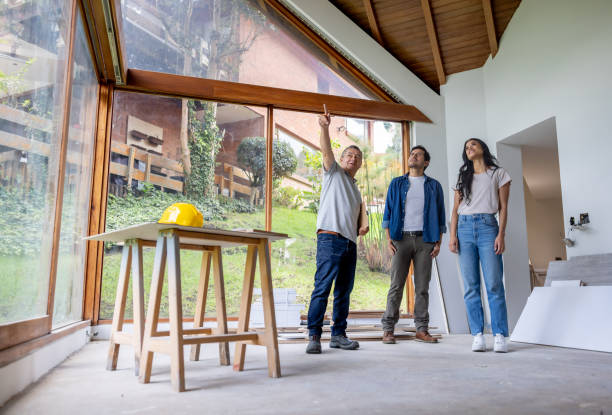
Most remodels don’t fail because of bad contractors or bad luck. They fail way earlier—right at the idea stage. People jump in with a vague “I want it to look better” and that’s it. Not enough. If you’re thinking about home remodeling in Houston, you need a clearer picture than that. Not perfect, just honest. What’s not working right now? Too cramped, too dark, layout makes no sense? Write it down. Scroll photos, save stuff you like, but don’t just copy trends. Trends fade. Your habits don’t. And yeah, your vision might feel all over the place in the beginning—that’s fine. It usually is.
Set a Budget That Doesn’t Lie to You
This part gets uncomfortable. Numbers tend to do that. But skipping it or lowballing things is how projects spiral. Figure out what you can spend, then add a buffer. Not a cute 5% buffer—more like 15–20%. Stuff always comes up. Old wiring, hidden leaks, weird structural surprises that nobody saw coming. It happens. Be realistic about materials too. That marble countertop you saw online? It might not fit your budget once everything else stacks up. Doesn’t mean you can’t get a similar look, just… adjust early, not halfway through demolition.
Find the Right People (Don’t Rush This Part)
You’re not just hiring skills, you’re hiring communication. Big difference. A good contractor explains things in plain language, doesn’t dodge questions, and tells you when your idea is… maybe not great. That honesty matters. Ask around, check reviews, talk to past clients if you can. And don’t just go with the cheapest option because the numbers look nice. Cheap upfront can get expensive real quick when things go wrong. You want someone steady, not flashy.
Design Comes Before Demo—Always
There’s this urge to start tearing things out right away. Feels productive. It’s not. Sit with the design first. Layout, materials, finishes, lighting—figure it out as much as possible before a single wall comes down. Changes mid-project? They cost more. They slow everything down. And honestly, they stress everyone out. Work with a designer if you can, or at least get solid plans drawn up. Even a rough sketch is better than guessing as you go.
Permits and Paperwork (Yeah, It’s Annoying, Do It Anyway)
Nobody likes this part. It’s slow, it’s boring, and it feels unnecessary—until it’s not. Skipping permits might save time now, but it can wreck you later when you try to sell or if something goes wrong. Different areas have different rules, especially in a place like Houston where building codes can vary. Get it sorted early. Your contractor should help here, but don’t assume—ask. Double-check. It’s your house, after all.
Create a Timeline That Has Breathing Room
Timelines look clean on paper. Reality… not so much. Materials get delayed. Weather shifts. Someone gets sick. It happens. Build a timeline, sure, but keep it flexible. If someone tells you your full remodel will be done in two weeks, that’s a red flag. Good work takes time. And rushing usually shows in the details—the uneven finishes, the stuff that starts bothering you six months later.
Live Through the Chaos (Because You Will)
Remodeling isn’t just a project—it’s disruption. Noise, dust, people walking in and out, your routine getting flipped. If you’re living in the space during the remodel, expect it to feel a little… off. Plan ahead. Maybe set up a temporary kitchen, or figure out where you’ll escape when it gets too loud. It’s temporary, yeah, but in the moment it won’t feel like it. Knowing that helps, a bit.
Stay Involved, But Don’t Hover
You don’t need to micromanage every nail and tile, but disappearing completely isn’t great either. Check in regularly. Ask questions. Walk through the space as it comes together. Small issues are easier to fix early. If something looks off, say it. Don’t wait until the end and then drop a list of complaints—that never goes well. Communication here isn’t about control, it’s about clarity.
Quality Over Speed (Every Time)
There’s always a moment where you’re tempted to push things faster. Maybe you’re tired of the mess, or just want your house back. Totally normal. But cutting corners to speed things up? That’s where regrets creep in. Good craftsmanship takes time. Let it. The difference between rushed work and careful work isn’t always obvious on day one—but give it a few months, you’ll notice.
Work With Experts Who Know the Local Game
Here’s where things get a bit more specific. If you’re planning something major, working with custom home builders in Houston TX can actually simplify a lot of this. They understand local regulations, climate considerations, even material choices that hold up better in the area. It’s not just about building—it’s about knowing what works here. That local experience saves you from a bunch of avoidable mistakes.
Final Walkthrough—Don’t Skip the Details
When everything looks “done,” slow down. Walk through the space carefully. Check finishes, fixtures, edges, alignment—little stuff matters. Open cabinets, test switches, run water. This is your chance to catch anything that needs fixing before the project officially wraps. And yeah, there will probably be small things. That’s normal. Just don’t ignore them.
Conclusion: It’s a Process, Not a Quick Win
A successful home remodel isn’t about one big decision—it’s a chain of smaller ones, made consistently well. Some days it’ll feel exciting, other days just exhausting. That’s part of it. If you stay clear on your goals, work with the right people, and don’t rush the important stuff, you’ll end up with something solid. Not just better-looking, but better to live in. And honestly, that’s the whole point.