Introduction:
Introduction: Start Your Mahjong Journey
Learning a new game can feel challenging at first, but Mahjong becomes easier when you understand the basic rules and practice one step at a time. If you want to discover how to play mahjong for beginners , this guide will help you understand the tiles, game setup, turns, and winning combinations. You do not need previous experience to get started.
Mahjong is a tile-based game that combines skill, strategy, observation, and a little luck. Players draw and discard tiles to build a winning hand. The game is popular around the world, with different versions such as American Mahjong, Chinese Mahjong, and other regional styles. Each version has its own rules and playing methods.
At Learn Mahjong Fast , our goal is to make learning Mahjong simple and enjoyable. This beginner-friendly guide explains the essential steps so you can feel more comfortable when you sit down for your first game.
What Is Mahjong?
Mahjong is a game usually played by four people using a set of decorated tiles. Each player works to create specific groups and combinations by drawing new tiles and discarding unwanted ones. The first player to complete a valid winning hand according to the version being played wins the round.
Although Mahjong may look complicated, the basic idea is simple: collect the right tiles, recognize useful patterns, and organize your hand. Players must also pay attention to the tiles discarded by others because these can provide clues about what they are collecting.
Different Mahjong versions use different tile sets and winning-hand rules. Before starting, make sure everyone at the table agrees on which version they are playing.
Step 1: Learn the Different Mahjong Tiles
The first step in learning Mahjong is understanding the tiles. Most traditional Mahjong sets contain several categories of tiles. The exact set depends on the version.
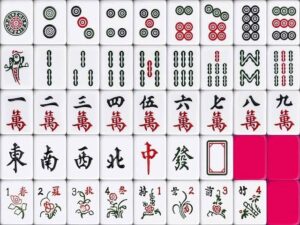
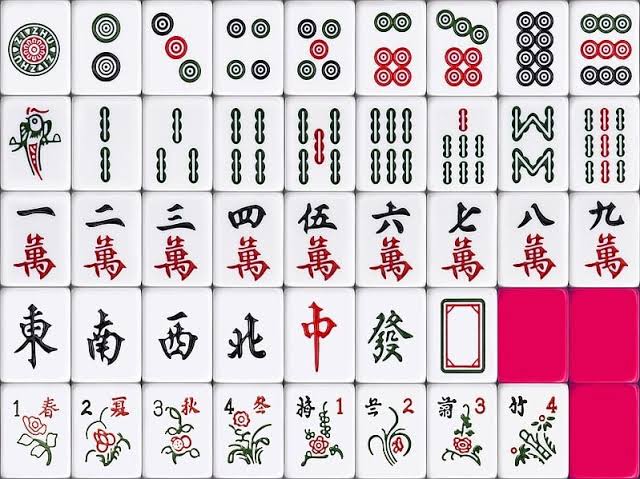
Bamboo tiles: These tiles show bamboo-like markings. They usually contain numbers from one through nine.
Character tiles: These tiles display Chinese characters that represent numbers. They are another important numbered suit.
Dot tiles: These tiles feature circular patterns or dots. Like bamboo and character tiles, they are generally numbered from one through nine.
Wind tiles: These include East, South, West, and North. They are known as honor tiles and have special roles in many Mahjong versions.
Dragon tiles: Traditional sets include three dragons: Red, Green, and White. These tiles are also honor tiles.
Flower and season tiles: Some Mahjong versions include special flower and season tiles. Their use depends on the rules being followed.
American Mahjong uses additional features, including a different tile arrangement and special rules for jokers. Learning which tiles belong to your version will help you understand the game faster.
Step 2: Understand the Goal of Mahjong
The main goal of Mahjong is to complete a valid winning hand. In many traditional versions, a standard winning hand commonly contains four groups and one pair. However, special hands and different rules may change this structure.
A group can be a set of three identical tiles, a sequence of three consecutive numbers in the same suit, or another combination allowed by the version.
For example, three matching Red Dragon tiles can form a group. Three consecutive bamboo tiles, such as 3, 4, and 5, can form a sequence in versions that allow sequences.
A pair consists of two identical tiles. Players collect useful tiles by drawing from the wall or, when permitted, taking a discarded tile from another player.
Remember that American Mahjong follows a different winning-hand system. Players use the annual National Mah Jongg League (NMJL) card to identify valid hands. Do not assume that a winning combination in one version is automatically valid in another.
Step 3: Set Up the Mahjong Game
Before playing, prepare the Mahjong tiles and make sure every player understands the rules.
Most traditional Mahjong games begin with four players sitting around a table. The tiles are shuffled face down so no one can see their faces. Players then build walls of tiles according to the rules of their version.
A starting player is selected, and the game begins with each player receiving an initial group of tiles. The number of tiles dealt can vary between versions, so follow the instructions for your chosen game.
In American Mahjong, players use a different setup and follow a process that includes selecting a hand from the current NMJL card. The Charleston, a special tile-passing round, is also part of the game.
If you are a beginner, use a beginner-friendly Mahjong set or practice guide. It can help you identify the tiles and understand the setup before playing with others.
Step 4: Learn How Turns Work
Once the game begins, players take turns drawing and discarding tiles. This is the basic rhythm of many Mahjong versions.
A typical turn follows these steps:
- Draw a tile: Take a tile from the wall when it is your turn.
- Check your hand: Look at the new tile and decide whether it helps you create a useful combination.
- Choose a tile to discard: Select a tile that does not fit your plan.
- Place the discard: Put the tile face up in the discard area.
- Continue playing: The next player takes their turn unless a permitted call changes the order.
The goal is to improve your hand with every draw. Avoid discarding tiles without thinking about how they fit into your plan.
In some situations, a player may claim a discarded tile to complete a group or winning hand. These actions have specific names and rules, which vary by Mahjong version.
Step 5: Understand Mahjong Calls and Combinations
Mahjong players use special terms to describe tile combinations and calls. Learning these terms will make it easier to follow the game.
Pung: A pung is a group of three identical tiles in versions that use this combination.
Chow: A chow is a sequence of three consecutive numbers from the same suit. Not every Mahjong version uses this combination in the same way.
Kong: A kong is a group of four identical tiles. It has special rules because it contains an extra tile compared with a standard three-tile group.
Pair: A pair consists of two identical tiles. Many standard winning hands require one pair.
Mahjong: This means a player has completed a valid winning hand according to the rules of the version being played.
In American Mahjong, players also use terms such as the Charleston, jokers, and exposures. The NMJL card determines which combinations are valid for the current year.
Step 6: Learn How to Win a Mahjong Game
To win a Mahjong round, you must complete a hand that follows the correct rules. In traditional Mahjong, this often means creating the required groups and a pair. In American Mahjong, you must match one of the hands listed on the current NMJL card.
As you play, keep checking whether your tiles are moving toward a valid hand. You may need to change your plan when you draw a new tile or another player discards something useful.
When you believe your hand is complete, announce Mahjong according to the table’s rules. The hand is then checked to make sure it meets the requirements.
For beginners, it is important to remember that having many matching tiles does not always mean you have a winning hand. The full combination must be valid.
Step 7: Practice Basic Mahjong Strategies
You do not need to become an expert before enjoying Mahjong. A few simple habits can help you improve with every game.
Pay attention to your tiles: Look for combinations that can help you complete a hand. Keep useful tiles together so you can see possible patterns.
Watch the discards: Notice which tiles other players are throwing away. This can help you understand which tiles may be less useful to them and which combinations they might be building.
Avoid rushing: Take a moment to think before discarding. A tile that seems unnecessary now may become useful later.
Learn the rules first: Understand the version you are playing before trying advanced strategies. This is especially important when switching between American and traditional Mahjong.
Practice regularly: Short practice sessions can help you remember tile names, recognize combinations, and make better decisions.
Ask questions: Playing with experienced people can help you learn common mistakes and understand rules that may seem confusing at first.
Common Mahjong Mistakes Beginners Should Avoid
New players often make similar mistakes while learning Mahjong. The good news is that you can avoid many of them with practice.
One common mistake is mixing rules from different Mahjong versions. American Mahjong and traditional Mahjong do not use exactly the same tile combinations or winning-hand rules. Always follow one agreed set of rules.
Another mistake is discarding tiles too quickly. Beginners may focus only on the tiles they want and forget that a discarded tile can help another player. Pay attention to the table before making your move.
Some players also try to memorize every rule at once. This can make learning stressful. Start with tile recognition, basic turns, and winning combinations. Add more advanced rules as your understanding grows.
Finally, do not feel discouraged if you do not win your first few games. Mahjong takes time to learn, and every round gives you a chance to improve.
Frequently Asked Questions About How to Play Mahjong for Beginners
Is Mahjong easy to learn for beginners?
Yes. Mahjong may seem difficult at first because it uses many different tiles and combinations. However, beginners can learn the basics by understanding the tiles, practicing turns, and playing one version at a time.
How many players are needed to play Mahjong?
Most traditional Mahjong games are designed for four players. Some digital games and alternative formats allow fewer players, depending on their rules.
What is the main goal of Mahjong?
The goal is to complete a valid winning hand using the tiles you draw and, when allowed, tiles discarded by other players. The exact winning-hand requirements depend on the Mahjong version.
How many tiles are in a Mahjong set?
A traditional Mahjong set commonly contains 144 tiles, including suits, honors, flowers, and seasons. Some sets and versions use different numbers. American Mahjong commonly uses a 152-tile set.
Can I teach myself how to play Mahjong?
Yes. You can learn the basics using beginner guides, instructional videos, practice apps, and a Mahjong set. Playing with experienced players can also help you understand the rules more quickly.
What is the difference between American Mahjong and traditional Mahjong?
American Mahjong uses a yearly NMJL card that lists valid winning hands. It also includes the Charleston tile-passing process and joker rules. Traditional Mahjong versions generally use different hand structures and rules, depending on the region.
How long does it take to learn Mahjong?
You can understand the basic ideas after a few practice sessions, but becoming confident takes longer. Your progress depends on how often you play and which version you choose to learn.
Conclusion: Start Playing Mahjong with Confidence
Learning Mahjong is easier when you break the game into simple steps. Start by identifying the tiles, understanding the goal, learning how turns work, and recognizing basic combinations. Once you understand these ideas, you can begin practicing complete games and developing your strategy.
Remember that every Mahjong version has its own rules. Choose the version you want to learn and use the correct instructions throughout your practice. Be patient, ask questions, and enjoy the process of improving.
At Learn Mahjong Fast , we believe anyone can begin learning Mahjong with the right guidance and regular practice. Start with the basics today, build your confidence one step at a time, and enjoy your first Mahjong game!