Starting a lawn in North Texas takes more than scattering seed and hoping for rain. Clay soil, hot summers, sudden storms, and dry spells all test new grass, and a seedbed that is not protected can wash out or bake before the roots take hold. Hydroseeding helps because the mulch keeps the seed moist and in place while it sprouts. Hydroseeding Services in North Texas are used on new homes, large lots, commercial sites, slopes, and repair jobs of many sizes. This guide explains what the process includes, how it compares with sod and dry seed, which grasses suit the region, and how to time and care for the job.
Why North Texas lawns are hard to start
The region is known for tough growing conditions. Much of it sits on heavy clay that holds water in wet weather and bakes hard when it dries, which can make it difficult for young roots to spread. Spring storms can dump a lot of rain in a short time, washing loose seed and topsoil into the street. Summer brings long stretches of heat, and a new seedbed can dry out in a day or two without protection. Winter freezes can catch late plantings off guard. New construction often leaves bare, compacted ground that has been scraped and graded, with little topsoil left. Wind and heavy foot traffic from builders can add to the damage on new lots. All of these problems point to the same need, which is a way to get seed started quickly and keep the soil covered.
What hydroseeding services include
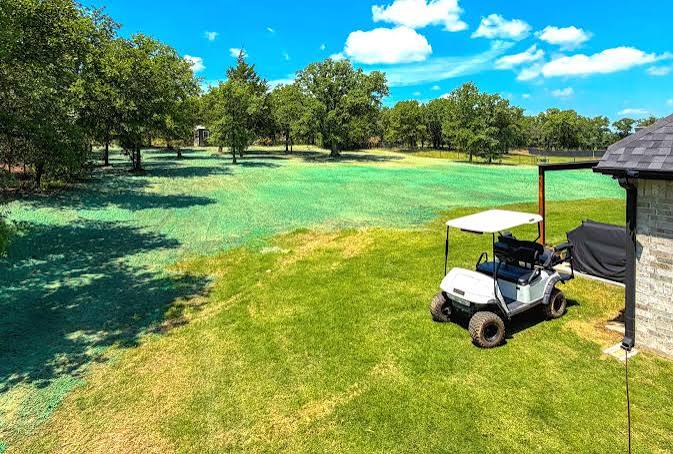
Most Hydroseeding Services in North Texas follow the same basic steps. The crew first checks the site, the grade, and the soil, then mixes seed, wood or paper fiber mulch, fertilizer, and water in a tank. They spray the slurry over the ground in an even layer, and a binder can be added for slopes or windy sites. Large jobs may be sprayed in sections so each pass is covered evenly. Some companies also handle site cleanup, soil amendments, and light grading, so ask what is included in the price. Most provide watering and care instructions, and some come back to touch up thin areas. The finished surface looks like a green mat of mulch. Within a week or two, the first sprouts show through, and the lawn fills in over the following weeks.
Hydroseeding compared with sod and dry seeding
Sod gives you an instant lawn, but it costs more, especially on large areas, and it needs careful watering until roots reach the soil underneath. Dry seeding is cheap, but seed spread by hand or machine can blow away, wash out, or get eaten by birds, and it lacks mulch to hold moisture. Hydroseeding sits in the middle. It costs less than sod on most projects, covers the ground evenly, and uses mulch to protect the seed. It also works on slopes and in tight spots where laying sod is difficult. The trade-offs are that you wait several weeks for a full lawn and have to keep the area watered. If you need an instant lawn for an event or a sale, sod may suit you better. For most large or sloped areas, hydroseeding is a practical choice.
Choosing grass and timing the job
Grass choice and timing matter more in North Texas than in many places. Bermuda is a popular warm-season grass for sunny yards because it handles heat and wear, and it is usually seeded from late spring into early summer when the soil is warm. Tall fescue is a cool-season option for shadier yards, and it does best when seeded in early fall. Some projects use native or low-water grasses for roadsides, ponds, and open land. If you are comparing Hydroseeding Services in North Texas, ask which seed mix they recommend for your light, soil, and use, and when they suggest doing the work. Avoid seeding during peak summer heat unless you are ready to water often, and avoid the days right before a hard freeze. Your county’s Texas A&M AgriLife Extension office is a good place to confirm local advice.
Soil, drainage, and watering rules
Good preparation makes hydroseeding work better. Clear debris, rocks, and weeds, and loosen compacted soil so roots can grow. Adding compost or topsoil helps on poor ground, and a soil test shows if you need other amendments. Set the grade so water moves away from buildings, and fix any low spots that collect water. After seeding, the lawn needs steady moisture, usually light watering several times a day at first, then less often as the grass grows. Many North Texas cities set watering schedules, especially in dry periods, so check your local rules and ask whether new seedings can be watered more often. Keep foot traffic off the area until the grass is established, and wait to use weed killers until it is well rooted. Patience in the first month makes a big difference in how thick the lawn becomes.
Choosing a hydroseeding company
Local experience matters, because North Texas soil and weather are not like other regions. When comparing Hydroseeding Services in North Texas, ask for a written estimate that lists the seed, mulch type, fertilizer, area covered, and site preparation. Confirm that the company carries liability insurance, and ask to see photos of past jobs, ideally ones from a few months after seeding. Ask what happens if the lawn comes in thin or a storm washes out part of it. Find out what watering schedule they suggest and whether they provide follow-up visits. For large or sloped sites, ask about binders and erosion control products. Be careful with very low quotes, since they may use less seed or a lighter mulch. A company that asks about your soil and drainage before quoting is a good sign.
Conclusion
A good start sets the tone for the whole life of a lawn. Hydroseeding gives seed the moisture and protection it needs in a region where heat, storms, and clay soil can be hard on new grass. When you hire Hydroseeding Services in North Texas, match the grass to your site, plan the timing around the weather, and prepare the soil well. Compare written estimates, ask about aftercare, and be ready to water consistently in the first weeks. Done right, hydroseeding can turn bare dirt into a green, even lawn without the cost of sod. A little care early on pays off for years.