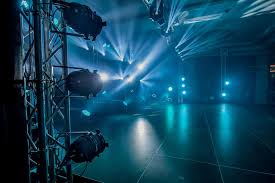
Creating a memorable event isn’t just about good music, a great venue, or a strong guest list—it’s about the atmosphere. The way a space feels can completely change how people experience an event. Lighting plays a huge role in shaping that experience, and one of the most powerful tools available today is intelligent moving head lights.
Whether you’re organizing a concert, wedding, corporate event, or theatrical production, these dynamic lighting fixtures can transform an ordinary setup into something truly immersive. In this guide, we’ll explore how moving head lights work, why they’re so effective, and how you can use them to elevate your venue.
Understanding the Role of Lighting in Atmosphere Design
Lighting is more than just illumination—it’s storytelling. It directs attention, sets mood, and enhances the overall visual appeal of a space. From soft ambient glows to dramatic beams cutting through fog, lighting defines how your audience feels.
In traditional setups, static lights were often used to highlight key areas. For example, a theatre lighting spotlight was commonly used to focus attention on a performer. While effective, static lighting lacks flexibility.
This is where intelligent moving head lights come in. They bring motion, color, and adaptability into the mix, allowing you to create a dynamic and ever-changing environment.
What Are Intelligent Moving Head Lights?
Intelligent moving head lights are advanced lighting fixtures that can move in multiple directions and change colors, patterns, and intensity. They are typically controlled through DMX systems or lighting software, giving you precise control over every movement and effect.
Key Features
- Pan and Tilt Movement: Rotate horizontally and vertically
- Color Mixing: Produce a wide range of colors
- Gobo Effects: Project patterns and shapes
- Zoom and Focus: Adjust beam size and sharpness
- Programmable Sequences: Automate lighting changes
These features allow you to create complex lighting designs that evolve throughout your event.
How Intelligent Lights Enhance Immersion
Immersion is all about making your audience feel like they are part of the experience. Moving head lights help achieve this by adding depth, motion, and emotion to your setup.
1. Dynamic Movement
Unlike static lights, moving heads can sweep across the room, follow performers, or highlight different areas in real time. This creates a sense of energy and flow.
2. Mood Transformation
With instant color changes, you can shift the mood from calm and elegant to vibrant and energetic within seconds.
3. Visual Storytelling
Lighting can be synchronized with music, speeches, or performances, enhancing the narrative of your event.
Integrating Advanced Systems for Better Results
To get the most out of your lighting setup, it’s important to integrate moving head lights with other systems. This includes sound, video, and stage design elements.
When combined with professional led stage lighting, moving heads can create a layered lighting environment that feels polished and high-end. This integration ensures consistency in brightness, color temperature, and overall visual impact.
Why Integration Matters
- Creates a cohesive look
- Enhances audience engagement
- Reduces technical inconsistencies
- Improves overall production quality
Choosing the Right Moving Head Lights for Your Venue
Not all moving head lights are the same. Choosing the right type depends on your event needs and venue size.
Types of Moving Head Lights
1. Spot Lights
These produce sharp, focused beams and are ideal for highlighting performers or objects.
2. Wash Lights
These provide broad, even coverage and are great for coloring large areas.
3. Beam Lights
These create narrow, intense beams that are perfect for dramatic effects.
Factors to Consider
- Venue Size: Larger spaces require more powerful fixtures
- Ceiling Height: Affects beam angles and coverage
- Event Type: Different events require different lighting styles
- Budget: Balance quality with affordability
Practical Tips for Creating an Immersive Setup
To truly maximize the impact of moving head lights, you need a strategic approach.
Plan Your Lighting Design
Start with a clear vision. What mood do you want to create? How should the lighting evolve throughout the event?
Use Layered Lighting
Combine ambient, accent, and dynamic lighting to create depth. Moving heads should complement—not replace—other lighting elements.
Sync With Music and Content
Use lighting controllers to synchronize movements and colors with music or presentations.
Position Lights Strategically
Placement is crucial. Consider angles, coverage, and potential obstructions.
Test Before the Event
Always run a full rehearsal to identify and fix any issues.
Common Mistakes to Avoid
Even with advanced equipment, mistakes can happen. Here are some common pitfalls:
Overusing Effects
Too many movements or color changes can overwhelm the audience.
Poor Placement
Incorrect positioning can create shadows or uneven lighting.
Ignoring Audience Perspective
Always consider how the lighting looks from different viewing angles.
Lack of Coordination
Uncoordinated lighting can feel chaotic instead of immersive.
Benefits of Using Intelligent Moving Head Lights
Enhanced Visual Appeal
They make your event look more professional and engaging.
Flexibility
Easily adapt to different moments during the event.
Efficiency
One fixture can perform multiple functions, reducing the need for additional equipment.
Audience Engagement
Dynamic lighting keeps the audience visually interested.
Suggested Heading Ideas for Related Blogs
- How Moving Head Lights Transform Event Experiences
- Beginner’s Guide to Intelligent Lighting Systems
- Top Lighting Techniques for Live Events
- How to Design a Professional Stage Lighting Setup
- Lighting Mistakes That Ruin Event Atmosphere
FAQs
1. What are intelligent moving head lights used for?
They are used to create dynamic lighting effects in events, concerts, theaters, and more.
2. Are moving head lights suitable for small venues?
Yes, smaller models are available that work perfectly in compact spaces.
3. Do I need a lighting controller?
Yes, a controller or software is essential for programming and controlling the lights.
4. Can moving head lights be used outdoors?
Yes, but you’ll need weatherproof fixtures designed for outdoor use.
5. How do I make my lighting more immersive?
Focus on movement, color variation, synchronization, and proper placement.
Final Words
Creating an immersive atmosphere doesn’t have to be complicated—but it does require the right tools and strategy. Intelligent moving head lights offer unmatched flexibility and creativity, allowing you to transform any venue into a captivating environment.
By understanding how these lights work and applying thoughtful design principles, you can elevate your events and leave a lasting impression on your audience. Whether you’re aiming for elegance, excitement, or drama, the right lighting setup can make all the difference.