Healthcare providers depend on efficient revenue cycle management to maintain financial stability, and one of the most critical components of this process is Accounts Receivable (AR) Management. Poor account receivable management in medical billing can lead to delayed reimbursements, increased claim denials, cash flow problems, and operational inefficiencies. Healthcare organizations that fail to optimize their AR process often struggle with financial losses and administrative burdens. Understanding the impact of ineffective AR management and implementing best practices can significantly improve revenue collection, reduce outstanding balances, and enhance the overall financial performance of medical practices.
Understanding Account Receivable Management in Medical Billing
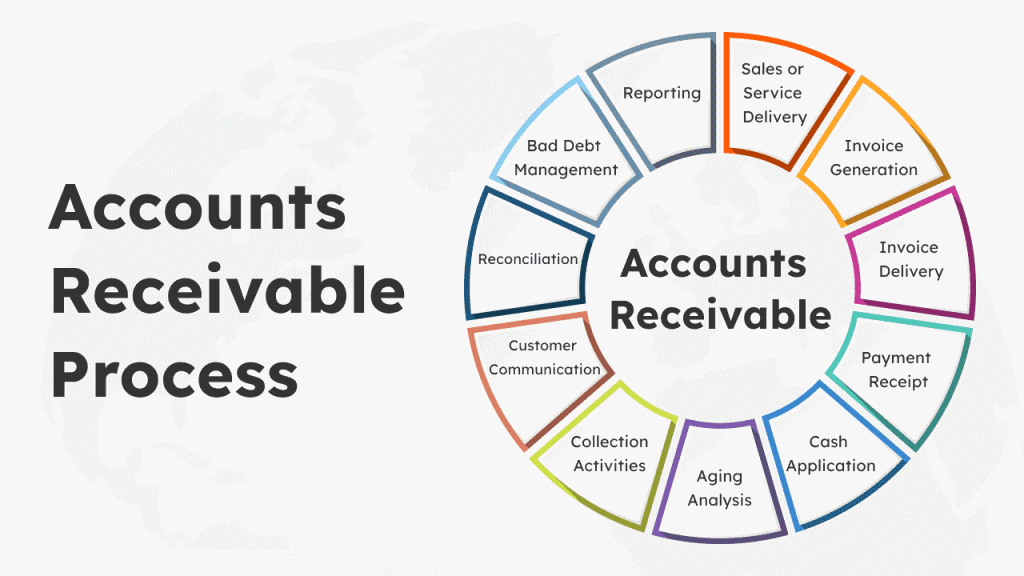
Account Receivable (AR) Management in medical billing refers to the process of tracking, managing, and collecting payments owed by insurance companies and patients for healthcare services. Every unpaid claim becomes part of the accounts receivable until payment is received. Efficient AR management ensures that claims are submitted accurately, followed up promptly, and resolved without unnecessary delays. Healthcare providers rely on a well-organized AR process to maintain steady cash flow and minimize financial risks. Poor AR management can result in unpaid claims aging beyond acceptable limits, making it increasingly difficult to recover revenue while reducing the financial health of medical practices.
Common Causes of Poor Account Receivable Management
Several factors contribute to poor account receivable management in medical billing. Incorrect patient information, coding errors, incomplete documentation, delayed claim submission, and inadequate follow-up procedures are among the most common causes. Insurance policy changes and complex payer requirements also increase the likelihood of claim denials. Additionally, insufficient staff training and outdated billing software can negatively affect AR performance. Without standardized workflows and regular monitoring, healthcare providers may experience increasing claim backlogs, missed deadlines, and delayed reimbursements, resulting in reduced operational efficiency and significant revenue loss.
Financial Impact of Inefficient Accounts Receivable Management
Poor accounts receivable management directly affects the financial stability of healthcare organizations. Delayed insurance reimbursements reduce available cash flow, making it difficult to pay employees, purchase medical equipment, and invest in practice growth. High AR balances often indicate unresolved claims and outstanding patient payments, increasing financial pressure. As unpaid claims age, the likelihood of collecting the full reimbursement decreases significantly. Practices with inefficient AR management may also face higher administrative costs due to repeated follow-ups, appeals, and manual claim corrections, reducing overall profitability and long-term sustainability.
Increased Claim Denials and Payment Delays
One of the most significant consequences of poor AR management is an increase in claim denials and payment delays. Claims submitted with inaccurate coding, missing documentation, or incorrect patient information are frequently rejected by insurance companies. Without timely follow-up, denied claims may exceed filing deadlines, resulting in permanent revenue loss. Delayed reimbursements also create unnecessary administrative work for billing teams. Healthcare providers that fail to monitor denial trends often experience recurring billing errors, reducing reimbursement rates and extending the overall revenue cycle while negatively impacting operational efficiency.
Effects on Patient Satisfaction and Healthcare Operations
Poor accounts receivable management affects not only healthcare providers but also patient satisfaction. Billing errors, delayed insurance processing, and inaccurate patient balances can create confusion and frustration for patients. Unexpected invoices and repeated billing issues may damage patient trust and increase payment disputes. Healthcare staff may spend excessive time resolving billing concerns instead of focusing on patient care. Efficient AR management improves communication, billing transparency, and payment accuracy, resulting in a better patient experience while allowing healthcare professionals to concentrate on delivering high-quality medical services.
Best Practices to Improve Accounts Receivable Management
Healthcare organizations can significantly improve AR performance by implementing effective billing processes and technology. Accurate patient registration, proper medical coding, timely claim submission, and proactive denial management are essential practices. Regular monitoring of AR aging reports helps identify outstanding claims requiring immediate attention. Automated billing software can streamline workflows, reduce manual errors, and improve payment tracking. Continuous staff training ensures compliance with changing payer guidelines and medical billing regulations. Together, these strategies help reduce claim denials, accelerate reimbursements, and strengthen financial performance across healthcare organizations.
The Role of Technology in Streamlining Medical Billing AR
Modern medical billing technology plays a crucial role in improving account receivable management. Electronic Health Records (EHR), Revenue Cycle Management (RCM) software, and automated claim scrubbing tools help minimize errors before claims are submitted. Artificial intelligence and analytics can identify payment trends, predict claim denials, and prioritize high-value accounts for follow-up. Automated reminders also encourage timely patient payments while reducing manual administrative work. By leveraging advanced technology, healthcare providers can improve billing accuracy, shorten reimbursement cycles, and maximize revenue collection with greater efficiency.
Key Performance Indicators for Monitoring AR Success
Monitoring key performance indicators (KPIs) helps healthcare providers evaluate the effectiveness of their accounts receivable management. Important metrics include Days in Accounts Receivable (DAR), Clean Claim Rate, First Pass Resolution Rate, Net Collection Rate, Denial Rate, and Aging AR Reports. These indicators provide valuable insights into billing performance and identify areas requiring improvement. Regular analysis enables healthcare organizations to reduce outstanding balances, optimize reimbursement timelines, and enhance financial decision-making. Strong KPI monitoring supports continuous improvement and long-term revenue cycle optimization.
Conclusion: Strengthen Your Medical Billing Revenue Cycle with Expert AR Management
Poor account receivable management in medical billing can significantly impact revenue, increase claim denials, disrupt cash flow, and reduce patient satisfaction. Healthcare providers that invest in efficient AR management strategies, advanced billing technology, and experienced revenue cycle professionals are better positioned to improve financial stability and operational performance. If your healthcare organization is looking to optimize medical billing, reduce outstanding accounts receivable, and maximize reimbursements, partner with the experienced professionals at KaizenUS. Visit https://kaizenus.com today to discover comprehensive medical billing, revenue cycle management, and healthcare financial solutions designed to help your practice achieve long-term success and sustainable growth.
Frequently Asked Questions (FAQs)
1. What is Accounts Receivable (AR) Management in medical billing?
Accounts Receivable (AR) Management is the process of tracking, managing, and collecting payments owed by insurance companies and patients for healthcare services. Effective AR management ensures faster reimbursements, fewer claim denials, and a healthy cash flow for healthcare providers.
2. Why is poor AR management harmful to healthcare practices?
Poor AR management can lead to delayed payments, increased claim denials, higher administrative costs, cash flow issues, and lost revenue. Over time, it can negatively impact the financial stability and growth of a healthcare organization.
3. What are the most common reasons for unpaid medical claims?
Common reasons include incorrect patient information, medical coding errors, incomplete documentation, missed filing deadlines, insurance eligibility issues, and lack of timely follow-up on denied or pending claims.
4. How can healthcare providers reduce accounts receivable days?
Healthcare providers can reduce AR days by submitting clean claims promptly, verifying patient insurance before appointments, following up on unpaid claims regularly, using automated medical billing software, and monitoring AR aging reports consistently.
5. What is an ideal Accounts Receivable (AR) aging benchmark?
Most healthcare organizations aim to keep more than 90% of their accounts receivable under 90 days. Maintaining lower AR days indicates an efficient revenue cycle and improves overall financial performance.
6. How can professional medical billing services improve AR management?
Professional medical billing companies use experienced billing specialists, advanced revenue cycle management tools, denial management strategies, and continuous claim follow-ups to maximize reimbursements, reduce outstanding balances, and improve the overall financial health of healthcare practices.