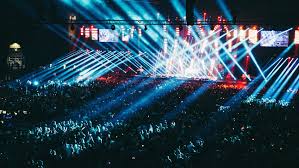
When people attend a live event—whether it’s a concert, theater performance, corporate function, or festival—they expect more than just sound and visuals. They expect an experience. One of the most powerful tools for shaping that experience is lighting.
Lighting does much more than illuminate a stage. It creates emotion, highlights key moments, directs audience attention, and transforms an ordinary space into something unforgettable. High-quality lighting equipment plays a major role in achieving this level of immersion.
In this guide, we’ll explore why investing in top-tier lighting equipment is essential and how it impacts the overall audience experience.
The Foundation of a Memorable Event Experience
Before anything else, it’s important to understand how lighting contributes to the overall atmosphere of an event. The right lighting setup can instantly change how an audience feels—from excitement and energy to calmness and focus.
Choosing a reliable stage lighting equipment supplier is one of the first and most important steps in ensuring quality. A trusted supplier provides not only high-performance equipment but also guidance on what works best for your specific event type.
Why Lighting Is So Powerful
Lighting influences perception. It helps:
- Set the tone and mood
- Highlight performers or speakers
- Create visual depth and dimension
- Enhance storytelling
For example, dim, warm lighting can create an intimate setting for a theater performance, while bright, colorful beams can energize a concert crowd.
Without high-quality lighting, even the best performances can feel flat or underwhelming.
Creating Emotional Impact Through Lighting
One of the biggest advantages of professional lighting is its ability to evoke emotions. Humans naturally respond to light and color, and skilled lighting design uses this to its advantage.
How Lighting Affects Emotions
- Warm colors (red, orange, yellow): Create energy and excitement
- Cool colors (blue, green): Promote calmness and relaxation
- Dynamic lighting changes: Build suspense and anticipation
High-quality lighting equipment ensures smooth transitions between these effects. Poor-quality fixtures may flicker, lag, or produce inconsistent colors, which can break the immersive experience.
Precision and Control Make a Huge Difference
Lighting is not just about brightness—it’s about control. Professional-grade equipment allows precise adjustments in intensity, color, angle, and movement.
A well-planned stage lighting equipment list ensures you have the right tools for every situation, from spotlighting a speaker to creating sweeping effects across a large audience.
Key Benefits of Precision Lighting
- Accurate color mixing
- Smooth dimming capabilities
- Sharp beam focus
- Seamless transitions between scenes
This level of control allows lighting designers to synchronize visuals with music, dialogue, or other performance elements, making the experience more engaging.
Enhancing Visual Storytelling
Every event tells a story, whether it’s a brand message at a corporate event or a narrative in a stage performance. Lighting plays a key role in supporting that story.
Examples of Storytelling Through Lighting
- Highlighting a main character or speaker
- Changing colors to reflect mood shifts
- Using shadows to create mystery or drama
- Guiding the audience’s focus from one area to another
High-quality lighting equipment ensures that these storytelling elements are executed smoothly and effectively.
Professional Appearance Builds Credibility
First impressions matter. When your lighting setup looks polished and professional, it reflects positively on your event as a whole.
Why Quality Equipment Matters
- Produces consistent brightness and color
- Eliminates flickering or technical glitches
- Provides clean and sharp visuals
Low-quality lighting can make an event look unorganized or amateurish, even if everything else is well-planned.
For corporate events, this is especially important because lighting directly impacts brand perception.
Flexibility for Different Event Types
No two events are the same. A wedding requires a completely different lighting setup than a music festival or a conference.
High-quality lighting equipment is designed to be versatile, allowing you to adapt to different environments and requirements.
Examples of Versatility
- Adjustable beam angles for small or large venues
- Multiple color options for different themes
- Programmable effects for dynamic shows
This flexibility ensures that your lighting setup can meet the demands of any event.
Reliability Reduces Risk
Technical issues during an event can be disastrous. Flickering lights, sudden failures, or inconsistent performance can disrupt the entire experience.
Benefits of Reliable Equipment
- Reduced risk of breakdowns
- Consistent performance throughout the event
- Less need for emergency fixes
High-quality lighting equipment is built to handle long hours of operation and demanding conditions, making it a safer choice for professional events.
Energy Efficiency and Cost Savings
Modern lighting technology, especially LED fixtures, offers significant energy savings compared to traditional lighting systems.
Advantages of Energy-Efficient Lighting
- Lower electricity consumption
- Reduced heat output
- Longer lifespan
Although high-quality equipment may have a higher upfront cost, it often saves money in the long run through reduced energy usage and maintenance.
Seamless Integration with Other Systems
Lighting doesn’t work alone—it’s often integrated with sound, video, and stage effects.
Professional lighting equipment is designed to work seamlessly with these systems, allowing for synchronized performances.
Integration Benefits
- Coordinated light and sound effects
- Automated show programming
- Centralized control systems
This level of integration enhances the overall production quality and creates a more immersive experience.
Audience Engagement and Retention
Engaging your audience is key to a successful event. Lighting plays a big role in capturing and maintaining attention.
How Lighting Improves Engagement
- Keeps visuals dynamic and interesting
- Highlights important moments
- Creates memorable visual effects
When audiences are visually engaged, they are more likely to stay focused and enjoy the event.
Helpful Tips for Choosing the Right Lighting Equipment
- Always prioritize quality over price
- Test equipment before purchasing
- Choose versatile fixtures for multiple uses
- Work with experienced lighting designers
- Plan your setup according to venue size
These tips can help you make smarter decisions and get the most out of your investment.
Heading Ideas You Can Use
- How Lighting Transforms Live Events
- The Psychology of Lighting in Audience Experience
- Key Features to Look for in Event Lighting Equipment
- Common Lighting Mistakes to Avoid
- How to Design Lighting for Maximum Impact
Frequently Asked Questions (FAQs)
1. Why is lighting important in events?
Lighting sets the mood, enhances visuals, and helps guide audience attention, making the event more engaging.
2. What type of lighting is best for immersive experiences?
LED lighting with programmable features is ideal due to its flexibility and energy efficiency.
3. Can poor lighting ruin an event?
Yes, poor lighting can make an event feel dull, unprofessional, and less engaging.
4. How do I choose the right lighting equipment?
Consider factors like quality, versatility, energy efficiency, and compatibility with other systems.
5. Is high-quality lighting worth the investment?
Absolutely. It improves performance, reduces risks, and enhances the overall audience experience.
Final Words
High-quality event lighting equipment is not just an added feature—it’s a necessity for creating immersive and memorable experiences. From setting the mood to enhancing storytelling and ensuring reliability, lighting plays a central role in the success of any event.
By investing in the right equipment and planning your lighting design carefully, you can transform any space into a captivating environment that leaves a lasting impression on your audience.
In the end, great lighting doesn’t just illuminate—it elevates, engages, and inspires.