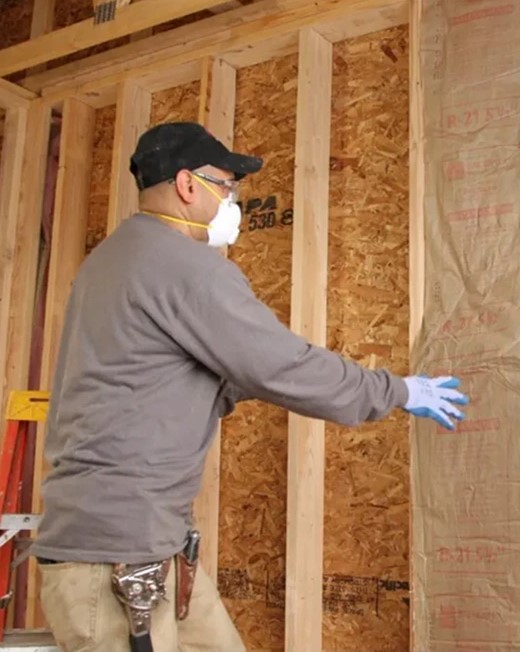
A well-insulated property is an important part of creating a comfortable, efficient, and durable indoor environment. Colorado properties experience changing weather conditions throughout the year, making effective insulation especially valuable for managing indoor temperatures. Insulation Nation provides professional solutions designed to help property owners address insulation needs with practical methods and quality workmanship. Choosing experienced Insulation Contractors in Colorado can also help ensure that insulation is selected and installed according to the specific characteristics of the property.
Understanding Colorado’s Insulation Needs
Colorado’s climate can create different insulation demands depending on the location, property design, and season. Cold winter temperatures can increase the need for effective thermal protection, while warmer summer conditions can place additional demands on cooling systems. Without adequate insulation, conditioned air can escape more easily, while outdoor temperatures can influence indoor spaces.
For this reason, insulation should be considered as part of the property’s overall building envelope. Walls, ceilings, attics, floors, and other areas all contribute to how effectively a building maintains its desired indoor temperature. Insulation Contractors in Colorado can evaluate these areas and identify opportunities for improving thermal performance.
Why Property Assessment Comes First
Every building has its own construction style, insulation history, and performance requirements. Installing additional insulation without evaluating existing conditions may not always address the main source of a problem. A detailed assessment helps determine where improvements are actually needed.
Professional contractors may inspect areas such as attics, exterior walls, crawl spaces, basements, and other parts of the structure. They can look for missing insulation, uneven coverage, compression, deterioration, and other conditions that may affect performance.
This evaluation also helps determine whether air sealing or preparation work should be completed before new insulation is installed. A properly planned project can provide more consistent results than simply adding insulation wherever space is available.
Selecting the Appropriate Insulation Material
Insulation materials are available in several forms, and each has different characteristics. Fiberglass is widely used for residential applications and can be installed in various areas of a building. Cellulose is another option commonly used in attics and walls, particularly where loose-fill installation is appropriate.
Spray foam can be useful in locations where creating an air barrier and filling irregular spaces are important considerations. Its expanding nature allows it to reach gaps and difficult areas when installed according to appropriate application requirements.
Insulation Contractors in Colorado can help property owners compare these options based on the location, building design, existing conditions, and intended performance. The goal should be to select a solution that works with the property’s construction rather than choosing a material simply because it is commonly advertised.
The Importance of Attic Insulation
Attics are often a major focus of insulation improvement projects. Because heat naturally moves between areas with different temperatures, insufficient attic insulation can contribute to heat transfer between the living space and the roof area.
During colder months, inadequate insulation can allow indoor heat to move toward the attic and eventually escape. During warmer periods, heat from the roof can increase the temperature of the space below. Improving attic insulation can help create a stronger thermal separation between the living areas and outdoor conditions.
Experienced Insulation Contractors in Colorado can inspect existing attic insulation and determine whether additional coverage is appropriate. They can also identify areas around openings, fixtures, and penetrations where air movement may reduce overall performance.
Air Sealing and Insulation Work Together
Insulation and air sealing serve different but complementary purposes. Insulation slows heat transfer, while air sealing helps limit uncontrolled movement of air through gaps and openings in the building envelope.
Small openings around wiring, plumbing, vents, windows, doors, and other penetrations can contribute to unwanted air movement. If these areas are overlooked, new insulation may not deliver the expected improvement.
A complete insulation project may therefore include identifying and addressing suitable air leakage points before insulation is installed. Insulation Contractors in Colorado can assess these conditions and recommend appropriate measures based on the structure.
Improving Indoor Comfort
One of the most noticeable benefits of adequate insulation can be improved temperature consistency. Properties with insufficient insulation may have rooms that feel significantly warmer or colder than neighboring areas. This can make it difficult to maintain a comfortable indoor environment.
Improving insulation can help reduce the influence of outdoor temperature changes on interior spaces. It may also help heating and cooling systems maintain desired temperatures more consistently.
For homeowners experiencing uncomfortable bedrooms, cold floors, warm upper rooms, or noticeable temperature differences, an insulation assessment can help determine whether the building envelope is contributing to the problem.
Supporting Heating and Cooling Efficiency
Heating and cooling systems work to maintain a selected indoor temperature. When a property has inadequate insulation, conditioned air can be lost more quickly, potentially requiring the system to operate for longer periods.
Proper insulation helps slow heat movement and can support more efficient use of heating and cooling equipment. Actual energy savings will vary depending on factors such as the property’s size, construction, existing insulation, equipment efficiency, thermostat settings, and weather conditions.
Insulation Contractors in Colorado can help property owners identify areas where insulation improvements may support the property’s broader efficiency goals. A professional assessment provides a better foundation for deciding which improvements should be prioritized.
Insulation for New and Existing Properties
Insulation needs are not limited to older homes. New construction projects also require careful planning to ensure that insulation is installed correctly as part of the building process. Proper installation can help prevent gaps, uneven coverage, and other issues that may affect long-term performance.
Existing properties may have different challenges. Older insulation may have settled, become damaged, or been installed according to outdated construction practices. Renovation projects can also expose areas that require new insulation.
Insulation Contractors in Colorado can work with the conditions present in both new and existing properties. The installation approach should be adapted to the structure instead of relying on a standard method for every project.
What to Consider Before Hiring a Contractor
Property owners should consider several factors when selecting an insulation service provider. Experience with different insulation materials, attention to preparation, installation quality, and clear communication are all important considerations.
It is also useful to understand what areas will be inspected, what material is being recommended, and why that material is suitable for the property. A professional contractor should be able to explain the process in clear terms and identify any conditions that could affect the project.
Insulation Nation takes a practical approach to insulation services by focusing on the individual requirements of each property. Understanding the building before beginning the work helps create a more organized and effective installation process.
Maintaining Insulation Performance
Insulation is designed to provide long-term performance, but property conditions can change over time. Moisture, remodeling, pests, mechanical work, and other building changes may affect insulation. Periodic inspections can help identify problems before they become more significant.
Homeowners should pay attention to changes in indoor comfort, unusual drafts, temperature differences, or areas where heating and cooling performance appears inconsistent. These signs do not always mean insulation is the cause, but they can justify a professional assessment.
Working with experienced Insulation Contractors in Colorado can help property owners understand whether insulation improvements, air sealing, repairs, or other building-envelope measures are appropriate.
Conclusion
Proper insulation is an important investment in the comfort and performance of a Colorado property. Because buildings differ in design, age, materials, and existing insulation conditions, a professional assessment is valuable before selecting an installation method. From attic improvements and air sealing to wall and crawl-space applications, the right approach can support more consistent indoor temperatures and better building efficiency.
Insulation Nation provides practical insulation solutions designed around the needs of individual properties. By working with qualified Insulation Contractors in Colorado and focusing on appropriate materials, preparation, and installation techniques, property owners can take meaningful steps toward creating a more comfortable and efficient indoor environment.