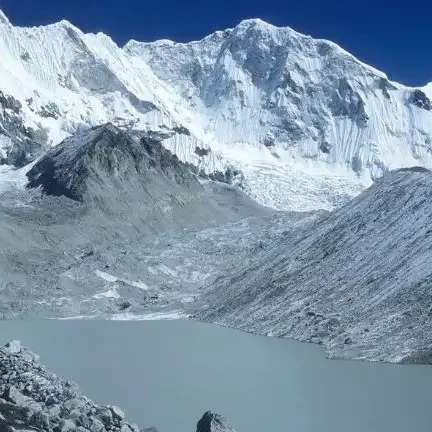
Standing high among the mighty Himalayan mountains, Baruntse offers a thrilling challenge for experienced climbers. With snowy slopes, steep ridges, and breathtaking views, this mountain is a dream destination for mountaineers. The Baruntse Expedition takes climbers to an impressive height of 7,129 meters in Nepal’s Everest region. Although the mountain is known for its beautiful shape, reaching its summit is not easy. It requires strong fitness, climbing skills, careful planning, and a brave mindset.
How Difficult Is Baruntse?
Baruntse is a challenging 7,000-meter peak. It is not a suitable mountain for complete beginners. The climb includes steep snow slopes, icy sections, crevasses, and exposed ridges. Climbers also face cold temperatures, strong winds, and changing weather.
The high altitude makes the journey even harder. As climbers move higher, the air becomes thinner, and simple activities can feel tiring. Previous experience on high mountains is important before attempting this expedition. Good preparation and proper guidance help reduce risks during the climb.
What Skills Do You Need for the Climb?
Climbing Baruntse requires more than physical strength. Mountaineers need basic technical skills and experience with high-altitude climbing. They should know how to use crampons, ice axes, climbing ropes, and other safety equipment.
Training before the expedition is very important. Regular hiking, running, cycling, and strength exercises can improve fitness. Climbers should also practice moving on snow and ice. Experience on other challenging peaks can help them understand the demands of a 7,000-meter climb.
How Does Altitude Affect the Expedition?
Altitude is one of the biggest challenges of the Baruntse Expedition. The summit stands at 7,129 meters, where oxygen levels are much lower than at sea level. Climbers may experience headaches, tiredness, dizziness, and difficulty sleeping.
Proper acclimatization helps the body adjust to the high altitude. Climbers usually spend several days at different camps before making their summit attempt. Walking slowly, drinking enough water, and following the climbing team’s advice are important for safety.
When Is the Best Time to Climb Baruntse?
Spring (April to May) and autumn (September to October) are the main climbing seasons. Spring is especially popular because it often offers suitable weather and better climbing conditions. Autumn can also provide clear mountain views, although temperatures may be colder. Choosing the right season helps improve the chances of a successful climb.
Climb with Nepal Social Treks and Expedition
Nepal Social Treks and Expedition offers organized Baruntse Expedition packages with professional support throughout the journey. Their services include experienced climbing guides, trained support staff, permits, transportation, accommodation, meals, and customized itineraries. They also provide route planning, climbing equipment support, safety arrangements, and acclimatization guidance. Proper preparation and experienced guidance are important for such a demanding mountain adventure.
Is Baruntse Worth the Challenge?
Baruntse is a demanding mountain, but it offers an unforgettable experience for skilled mountaineers. Its beautiful Himalayan views, technical climbing sections, and high summit make it a rewarding challenge. With strong preparation, previous climbing experience, and reliable support, climbers can take on this incredible 7,000-meter adventure.