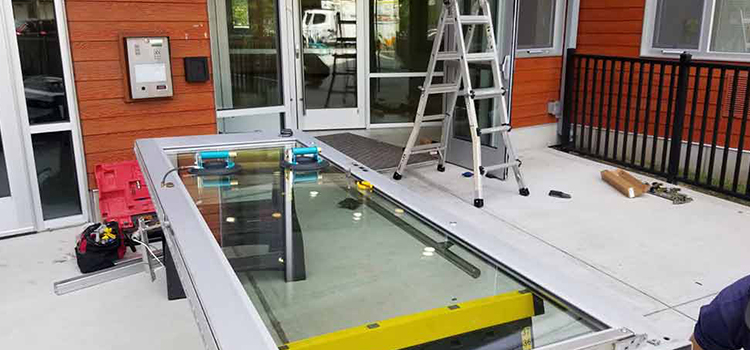
Commercial door replacement plays a significant role in maintaining the functionality, security, and overall efficiency of commercial properties. These doors are critical for safeguarding assets and ensuring seamless daily operations. Over time, wear and tear, outdated features, or damage can necessitate replacement to uphold safety standards and operational performance. Replacing roller doors not only addresses structural or functional issues but also provides an opportunity to upgrade to modern materials and technologies. This process ensures compliance with current regulations, improves energy efficiency, and enhances the overall aesthetic appeal of a business premises.
Signs a Roller Door Needs Replacement
Persistent operational issues, such as uneven movement or excessive noise, often indicate the need for a roller door replacement. These problems can stem from internal mechanical failures that compromise the door’s efficiency and safety. Structural damage, including cracks, warped panels, or misaligned tracks, may prevent the door from functioning correctly. Such damage can worsen over time, leading to further complications.
Outdated or inefficient features, such as a lack of insulation or modern safety mechanisms, can also signify the need for a replacement. Older doors may no longer meet current industry standards or regulations. Finally, visible gaps or poor sealing can lead to energy loss and reduced security, making replacement a practical solution. Addressing these signs promptly helps maintain the security and functionality of a commercial property.
Benefits of Replacing Commercial Roller Doors
Replacing commercial roller doors enhances operational efficiency by ensuring smooth, reliable performance and reducing downtime caused by frequent repairs. Upgraded roller doors often incorporate modern insulation features that help maintain consistent indoor temperatures and reduce energy consumption.
The incorporation of advanced security measures, such as improved locking systems, provides greater protection for valuable assets and mitigates the risk of unauthorised access. Additionally, newer doors are often constructed from durable materials, designed to withstand harsh environmental conditions and minimise maintenance needs.
The opportunity to update the appearance of roller doors also provides aesthetic benefits, helping businesses maintain a professional and polished image. Modern replacements often meet current safety standards, thereby promoting regulatory compliance and contributing to a safer environment. These practical and functional advantages make replacing outdated or damaged roller doors a prudent long-term investment.
Material Options for Commercial Roller Doors
Steel and aluminium are among the most common materials used for commercial roller doors, each offering distinct advantages. Steel is renowned for its strength and durability, making it well-suited to high-security and heavy-duty environments. Its robust nature ensures resistance against impact and harsh conditions, though it is generally heavier than other materials. Aluminium, in contrast, is lightweight and naturally resistant to corrosion, which makes it an excellent option for areas exposed to moisture or humidity. Its lighter weight also simplifies operation and reduces strain on mechanisms.
Both materials can be customised with finishes or coatings to enhance their appearance and increase resistance to wear. The choice between steel and aluminium depends on specific operational needs, environmental factors, and budgetary considerations, ensuring businesses select the most appropriate material for their requirements.
Installation Process of Commercial Roller Doors
The installation process of commercial roller doors requires precision and adherence to industry standards to ensure optimal functionality. The initial step involves assessing the site and preparing the space for the new door. Accurate measurements are taken to guarantee proper alignment and a secure fit. The removal of the existing door, if applicable, is conducted carefully to prevent damage to surrounding structures.
The new roller door is then installed, with its components, including tracks and mechanisms, assembled and adjusted for smooth operation. Specialists ensure that the door is properly balanced and that safety features, such as sensors, are correctly integrated.
A thorough inspection is carried out following installation to confirm that the door operates efficiently and complies with safety regulations. Proper installation not only optimises performance but also minimises potential issues arising from improper fitting.
Cost Considerations in Commercial Door Replacement
Several factors influence the overall cost of commercial door replacement, with size being a primary determinant. Larger doors typically require more materials and extended installation time, impacting expenses. The choice of material, such as steel or aluminium, also significantly affects costs due to differences in durability, weight, and finish options.
Additional features, such as insulation, automation, or advanced security mechanisms, can further contribute to the expense. Labour charges for professional installation, particularly if structural adjustments are needed, must also be considered.
The complexity of customisations, including bespoke designs or colour matching, may influence pricing, depending on the level of detail required. Businesses must account for long-term value, as investing in high-quality materials and features can minimise future maintenance costs and extend the door’s lifespan, balancing upfront expenditure with lasting benefits.
Safety Features in Modern Roller Doors
Modern roller doors incorporate advanced safety features designed to minimise risks and enhance operational security. Many models include sensors that detect obstacles in the door’s path, triggering automatic stops to prevent damage or injury. Anti-fall devices are another critical feature, designed to secure the door in place should a mechanical failure occur, reducing the chance of accidents.
Emergency manual release systems allow for operation during power outages, ensuring continued accessibility. Additionally, safety edges are often fitted to detect contact with objects, prompting the door to halt its movement. These features are engineered to meet strict safety standards, ensuring regulatory compliance.
Regular servicing and inspections are essential to ensure these mechanisms remain effective over time, safeguarding employees, goods, and equipment. This proactive approach reduces the likelihood of operational disruptions and promotes workplace safety.
Customisation Options for Commercial Roller Doors
Commercial roller doors can be customised to meet specific operational and aesthetic requirements. Various design options, including finishes, textures, and patterns, enable businesses to align the doors with their architectural style or branding needs. Custom dimensions ensure the doors fit perfectly within non-standard openings, maintaining functionality and efficiency. Additional features such as vision panels, ventilation grilles, or weather seals can be incorporated to enhance practicality. These tailored options ensure that the doors cater effectively to both functional demands and visual preferences.
Technological Advancements in Roller Doors
Technological advancements have significantly transformed the capabilities of roller doors, enhancing their efficiency and functionality. Automation systems enable seamless operation, reducing manual effort and improving overall convenience. Remote control technology enables doors to be operated remotely, streamlining access management in busy commercial environments.
Smart systems, often integrated with building management software, provide real-time monitoring and diagnostics. This technology supports predictive maintenance, identifying potential issues before they escalate and reducing downtime. Advanced locking mechanisms, integrated with electronic security systems, improve protection against unauthorised access.
Energy-efficient motor designs have also become more prevalent, reducing power consumption and aligning with sustainability goals. Additionally, modern technology facilitates quieter operation, minimising noise pollution in shared or high-traffic spaces. These innovations collectively enhance the practicality, safety, and efficiency of commercial roller doors, meeting evolving business demands.
Environmental Impact of Roller Door Materials
The environmental impact of roller door materials depends significantly on their manufacturing processes and end-of-life recyclability. Aluminium, for example, is highly recyclable and requires less energy to recycle than it does to produce, making it a more sustainable choice. Steel, while durable, is highly recyclable, reducing waste when old doors are replaced. The energy efficiency of these materials can further affect their environmental footprint, particularly when paired with insulation that reduces energy consumption.
Selecting materials from suppliers who prioritise eco-friendly practices, such as sourcing recycled content or minimising production emissions, can enhance sustainability. Additionally, coatings and finishes used on roller doors should be chosen carefully to minimise the release of harmful chemicals. Making informed choices regarding materials ensures that the environmental impact of roller doors aligns with sustainable business objectives.
Maintenance Tips for Prolonging Door Life
Regular maintenance is essential to ensure commercial roller doors remain functional and efficient over time. Components such as tracks, hinges, and rollers should be inspected periodically for signs of wear or damage. Lubricating moving parts, including bearings and chains, reduces friction and prevents mechanical issues. Keeping the door’s surface clean protects it from debris build-up, which can impair operation.
Addressing minor faults promptly prevents them from escalating into costly repairs, and ensuring that safety features, such as sensors and emergency mechanisms, are tested and functional is also crucial.
Maintenance schedules tailored to specific door types and operational demands help optimise performance and extend the door’s lifespan. Employing professional servicing at regular intervals can further enhance durability and operational reliability.
Regulations and Compliance for Roller Doors
Adhering to regulations for commercial roller doors is essential for maintaining safety and operational standards. These regulations often specify requirements for features such as fire resistance, load-bearing capacity, and safety mechanisms to minimise risks. Regular inspections may be mandated to ensure compliance and identify potential hazards. Standards also address installation practices, requiring professional fitting to meet safety criteria.
Keeping up to date on changes to local building codes helps ensure that roller doors continue to meet legal and functional requirements. Compliance with these standards not only enhances workplace safety but also avoids potential penalties associated with non-compliance.
Conclusion
Commercial door replacement across Australia is vital for preserving operational efficiency, property security, and workplace safety. Upgrading outdated or damaged doors provides an opportunity to adopt durable materials like steel or aluminium, alongside modern technological features such as automation, remote access, and energy-efficient insulation. Professional installation ensures seamless integration and compliance with strict Australian safety standards, while proactive maintenance maximises operational longevity. Investing in tailored, high-quality replacement solutions ultimately safeguards valuable business assets, minimises costly operational downtime, lowers ongoing energy expenses, and enhances the professional aesthetic appeal of modern commercial premises nationwide.
FAQs
Why should a business consider Commercial door replacement?
Commercial door replacement addresses persistent operational noise, structural damage, and security vulnerabilities. Upgrading ensures smooth daily performance, improves property security through advanced locking systems, and reduces energy loss via superior insulation. Modern replacements also help businesses maintain compliance with current Australian safety regulations while enhancing overall commercial property appearance.
What are the main differences between steel and aluminium roller doors?
Steel offers exceptional structural strength and high impact resistance, making it ideal for heavy-duty, high-security environments. Conversely, aluminium is lightweight and highly resistant to corrosion, making it suitable for high-moisture settings. While steel handles heavy industrial demands, aluminium simplifies mechanical operation and reduces structural strain on surrounding installation mechanisms.
What key safety features do modern commercial roller doors include?
Modern roller doors incorporate obstacle-detection sensors, anti-fall mechanisms, and safety edges that halt movement upon contact to prevent accidents. Emergency manual release systems ensure operational accessibility during power outages. These safety features comply with Australian standards, protecting staff, goods, and equipment while minimising operational disruptions and workplace injury risks.
How does replacing a roller door improve energy efficiency?
Replacing older roller doors with modern insulated models minimises thermal transfer, keeping indoor workspace temperatures stable year-round. Effective weather seals eliminate gaps around door frames, preventing unwanted draughts and reducing reliance on heating and cooling systems. This improved climate control lowers energy consumption and significantly reduces ongoing operational utility expenses.
How can regular maintenance prolong the lifespan of a commercial roller door?
Routine maintenance involves inspecting tracks, hinges, and rollers for wear while lubricating moving parts to reduce mechanical friction. Regularly cleaning door surfaces and testing safety sensors ensures optimal performance. Engaging professional servicing identifies minor faults early, preventing expensive repairs, extending structural durability, and maintaining compliance with safety standards.
| Related Business Listings |
| Contact Directory |
| Local Business Profiles |