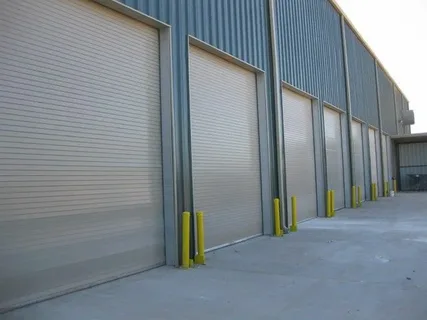
Commercial roller doors play a valuable role in business premises by providing practical access while supporting security and efficient space utilisation. They can accommodate a wide range of commercial and industrial applications, including warehouses, retail properties, storage areas, and operational facilities. Their upward-opening design helps preserve valuable floor space and keeps surrounding access areas clear, which can be beneficial where streamlined layouts are required. Built for frequent operation and exposure to varying environmental conditions, these doors are available in multiple materials, dimensions, and configurations to accommodate different requirements. Commercial roller doors Adelaide can contribute to smoother business operations while helping maintain a secure, practical, and well-organised commercial property.
Core Features That Support Commercial Roller Door Performance
Commercial roller doors are designed to combine robust construction, practical functionality, and adaptable operation for a variety of business environments. Common materials such as galvanised steel and aluminium provide strength while helping the doors withstand impacts, frequent use, and exposure to changing outdoor conditions. Security is also an important consideration, with contemporary locking systems helping restrict unauthorised entry and protect stored goods, equipment, and other commercial assets.
Certain roller door designs incorporate insulation to assist with internal temperature stability, energy management, and sound reduction. Their space-saving construction is another practical feature, as the vertical opening movement eliminates the need for extensive clearance directly in front of the entrance. This configuration can be particularly useful in active commercial areas where floor space needs to remain available for vehicles, equipment, storage, or pedestrian movement.
Commercial Roller Door Configurations for Different Business Needs
Commercial roller doors are available in a range of configurations, allowing businesses to select systems according to how frequently and where the doors need to be operated. Manually operated models can provide a straightforward option for smaller facilities or entrances with limited daily usage. Motorised systems offer greater convenience and can be appropriate for premises where vehicles, workers, or equipment regularly pass through access points.
Insulated designs can assist businesses that require greater control over indoor temperatures while helping limit unnecessary energy use. High-speed roller doors are suited to areas where rapid movement through entrances is important for maintaining workflow efficiency. Fire-rated models can provide an additional protective measure in buildings where specific fire resistance requirements form part of the overall safety planning.
Each configuration has distinct characteristics relating to access, protection, durability, speed, and operating efficiency. Considering these differences can help businesses select a door arrangement that aligns with the demands of their premises while supporting dependable access, workplace functionality, and appropriate safety measures.
Practical Benefits of Commercial Roller Door Installation
Commercial roller doors can provide a useful combination of durability, efficient operation, and adaptable design across numerous business settings. Their sturdy construction is capable of handling frequent opening and closing, making them suitable for premises with continual vehicle, equipment, or pedestrian movement. Because the door travels vertically, surrounding areas remain more accessible, which can improve movement around entrances used for deliveries, storage, and goods handling.
Insulated roller door models may assist with maintaining more stable indoor temperatures and can potentially reduce the energy required for heating or cooling. Some designs also offer sound-reducing properties, which can help create more appropriate conditions within certain workplaces. Businesses can select specialised configurations, including high-speed or fire-rated models, where particular operational or safety requirements need to be addressed.
Strong materials and secure locking arrangements can additionally help protect commercial premises against unauthorised entry. Reliable operating mechanisms support convenient daily access and can reduce interruptions associated with difficult or inefficient door movement. Together, these characteristics allow commercial roller doors to contribute to security, accessibility, and smoother everyday business operations.
Issues That Can Develop with Commercial Roller Doors
Despite being manufactured for demanding commercial applications, roller doors can develop mechanical or structural problems as components experience repeated use and natural wear. Track misalignment can affect the movement of the door, potentially causing uneven operation, increased resistance, or difficulty when opening and closing. Rollers that become damaged or worn may also produce unusual sounds and interfere with smooth movement through the opening mechanism.
Continuous exposure to moisture, rain, and other environmental conditions can contribute to corrosion or rust across susceptible components, potentially affecting long-term reliability. Motorised doors may develop electrical faults involving motors, sensors, wiring, or control units, resulting in interruptions to automated operation. Deteriorating weather seals can also reduce protection against air movement and affect the insulating performance of the door. Dirt and debris collecting along tracks may increase friction and accelerate wear on moving parts.
Spring systems require appropriate tension to support balanced operation, and incorrect tension can place additional pressure on other components or affect the door’s working life. Prompt attention to developing faults can help limit further damage and reduce the likelihood of costly unexpected failures. Routine inspections and suitable maintenance are therefore valuable for supporting safe, consistent, and efficient commercial roller door operation.
Supporting Door Performance with Commercial Roller Door Repairs
Commercial roller door repairs can help maintain the operating condition and useful lifespan of important access infrastructure within business premises. Repeated daily operation naturally places pressure on mechanical components, meaning issues affecting rollers, cables, motors, springs, and other parts can eventually interfere with normal door performance and access.
Addressing faults when they are identified can help limit additional component damage, reduce avoidable interruptions, and maintain dependable access throughout regular business activities. Appropriate repairs can also protect the overall structural condition of the door, supporting its security function as well as its everyday usability. Incorporating inspections into a broader maintenance schedule can make it easier to identify developing faults before they lead to more significant operational problems.
Routine servicing may include lubricating relevant moving parts, correcting track positioning, and replacing components that have become damaged or excessively worn. Automated systems may require additional checks of motors, sensors, electrical connections, controls, and associated mechanisms to support dependable operation. Combining timely repairs with ongoing maintenance can help reduce unexpected breakdowns and preserve the functional performance of commercial roller doors over the longer term.
Important Steps in Commercial Roller Door Installation
Commercial roller door installation requires careful preparation and precise fitting to achieve dependable operation and long-term performance. The process typically begins with evaluating the site to establish suitable door dimensions, configuration, and installation requirements. Supporting structures and tracks must then be positioned securely to provide stable guidance for the door. Once prepared, the roller curtain is carefully fitted to the supporting system to allow smooth and consistent movement.
Automated doors require additional electrical components, including motors and control systems, which must be connected and tested correctly. Proper balancing is also essential because it supports even movement and can minimise unnecessary stress on individual components. Safety features such as sensors and automatic reverse mechanisms should be configured and tested during installation. Following appropriate installation standards helps create a reliable door system capable of meeting ongoing commercial requirements.
Essential Safety Features for Commercial Roller Door Operation
Safety mechanisms are an important element of commercial roller door design, helping support dependable operation in busy workplace environments. Safety sensors can identify objects or people within the door’s operating path and respond by stopping movement when an obstruction is detected. Automatic reverse functions provide another safeguard by changing the direction of the door when resistance is detected during closing. Manual release systems can also enable doors to be operated during power interruptions or emergency situations.
Fire-rated roller doors may include specialised components designed to help restrict the movement of smoke and flames during a fire event. Anti-fall mechanisms can provide additional protection by helping prevent uncontrolled door movement if a supporting component fails. Safety edges can also detect contact and trigger an appropriate response to reduce potential injury risks. Regular testing, inspection, and maintenance of these features are important to ensure they continue operating effectively.
Environmental Factors Associated with Commercial Roller Doors
The sustainability of commercial roller doors is influenced by several characteristics, including the materials used, construction quality, insulation performance, longevity, and efficiency during operation. Insulated door designs can help reduce unwanted heat transfer between indoor and outdoor areas, which may assist with maintaining more stable internal temperatures and reducing energy demands for heating or cooling within commercial buildings.
Steel and aluminium can contribute to more sustainable construction practices because both materials can be recycled and potentially recovered when a door is eventually removed from service. Advances in manufacturing methods may also help limit material waste during production, while robust components can provide longer operating periods and reduce the frequency with which complete door systems need to be replaced.
Some commercial roller doors are additionally designed with features that can reduce sound transmission, helping manage noise within certain business environments. Ongoing maintenance can contribute to environmental efficiency by keeping mechanical components operating correctly and extending their useful life. Combining durable materials, suitable insulation, responsible maintenance, and efficient operation can allow roller doors to fulfil business requirements while helping limit unnecessary resource use and environmental impact.
Factors to Consider When Choosing a Roller Door for Business Premises
Selecting an appropriate roller door for commercial use requires consideration of the property’s intended function and the conditions in which the door will operate. A door used for a warehouse may require different characteristics from one installed at a retail property or industrial facility, depending on access frequency, security requirements, and daily operating conditions. Available installation space should also be assessed, as certain premises may benefit from compact configurations, while others may place greater importance on insulation, fire resistance, or environmental protection.
The decision between manual and automated operation can be influenced by how often the entrance is used and the level of convenience required during daily activities. Additional characteristics, including energy performance, noise reduction, access controls, and safety features, can also influence the suitability of a particular configuration. Considering these factors together can help businesses identify a roller door that aligns with the property’s practical requirements and supports reliable integration into regular operations. Professional input can further assist with assessing site conditions and identifying suitable specifications for dependable long-term use.
Conclusion
Commercial roller doors Adelaide can provide secure and efficient access for diverse commercial properties, with their design influenced by factors such as operating frequency, building conditions, insulation requirements, and security needs. Material selection and automation options can help accommodate demanding daily use, while suitable servicing can maintain dependable performance. Door dimensions, installation standards, safety mechanisms, and maintenance access are also important considerations when assessing available solutions. By evaluating these requirements alongside the property’s layout and operational demands, businesses can identify a roller door configuration that supports practical access and consistent long-term operation.
FAQs
What materials can be used for commercial roller doors Adelaide?
Steel and aluminium are common choices for commercial roller doors due to their strength, durability, and suitability for varied operating conditions. Fibreglass can provide a lighter alternative with useful corrosion resistance. Material selection can depend on location, usage levels, security expectations, and the required door performance.
How can automated roller doors assist commercial operations?
Automated roller doors use motors and control systems to simplify opening and closing procedures. Features such as remote controls and sensors can improve access convenience and reduce manual handling, particularly at premises with frequent deliveries, vehicle movement, employee access, or customer traffic.
What can cause commercial roller doors to operate poorly?
Operational problems can develop from worn rollers, damaged components, blocked tracks, alignment issues, or motor faults. Common signs include unusual sounds, irregular movement, delayed responses, or difficulty opening and closing. Early inspection can help identify faults before they cause more significant disruption.
What makes professional roller door installation important?
Professional installation helps ensure the door is correctly aligned, securely mounted, and appropriately configured for the property. Accurate fitting can support smooth movement while limiting unnecessary stress on tracks, rollers, motors, and other operating components.
Can commercial roller doors contribute to lower energy use?
Insulated commercial roller doors can reduce thermal transfer between indoor and outdoor areas, potentially lowering the workload on heating and cooling equipment. Selecting suitable materials and insulation levels can support more stable internal conditions and energy-conscious building operation.
| Related Business Listings |
| Contact Directory |
| Local Business Profiles |