Version 1.0.0
Vacuum sealing technology has become an essential method for preserving a wide range of products by eliminating air from packaging. This process creates an airtight seal that significantly slows down spoilage, helping to maintain quality and extend the usability of items. Widely adopted across industries, vacuum sealing is particularly valued for its role in safeguarding perishable goods, such as food, by reducing the growth of microorganisms. Beyond food preservation, the technology is also used to protect non-food items from moisture, dust, and oxidation. The versatility of vacuum bag sealer machine allows to be utilised in homes, commercial kitchens, and industrial settings. As this method prevents exposure to air and external elements, it offers a reliable solution for maintaining product integrity over time. By addressing both preservation and protection, vacuum sealing has become a cornerstone in modern storage practices.
Understanding Vacuum Bag Sealing Machines
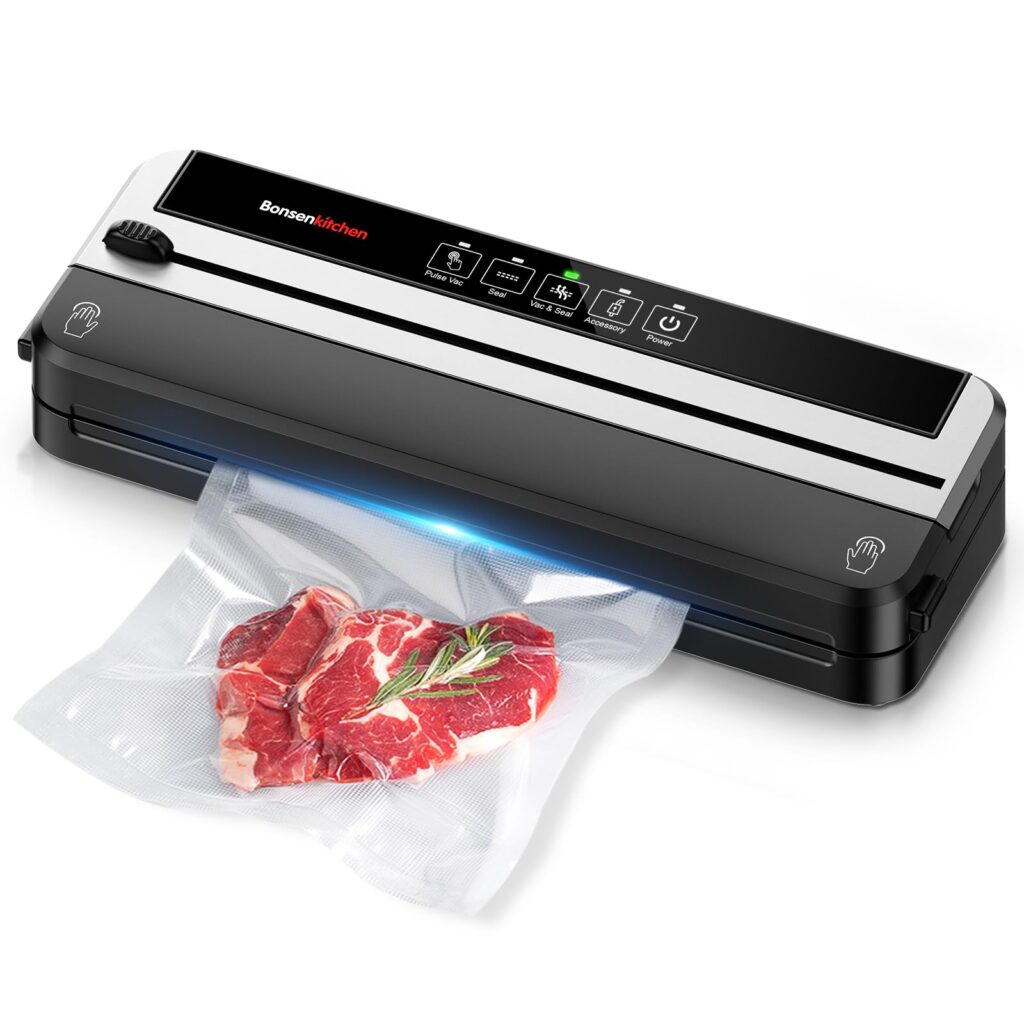
Vacuum bag sealing machines are designed to create an airtight seal by removing air from specially designed bags. These machines typically feature a vacuum pump, sealing bar, and control system, working together to ensure efficient operation. The process begins with placing an item inside a vacuum bag, after which the machine extracts air and seals the bag securely.
This method helps protect contents from external elements such as moisture, dust, and oxidation. Vacuum bag sealing machines are versatile and are available in various sizes and specifications, making them suitable for domestic, commercial, and industrial applications. Compact models cater to smaller-scale needs, while larger units handle high-volume tasks with enhanced features.
This reliable and efficient technology is widely utilised across sectors, including food preservation, electronics, and manufacturing, due to its ability to maintain product quality over time.
Types of Vacuum and Sealing Machines
Vacuum and sealing machines come in a variety of designs to suit different purposes and scales of operation. Domestic models are compact and straightforward, making them ideal for small-scale tasks such as preserving food at home. These machines often prioritise ease of use and affordability.
Commercial models, on the other hand, are more robust, designed for businesses requiring higher processing volumes. They often include advanced features such as adjustable vacuum settings and multiple sealing options to handle diverse packaging needs.
For industrial applications, heavy-duty machines are available, offering powerful vacuum pumps and the ability to process large quantities efficiently. These machines are often used in industries such as manufacturing and logistics, where durability and performance are crucial. The choice of machine largely depends on the specific requirements, such as the nature of the items to be sealed and the operational scale.
The Role of Vacuum and Seal Machine
A vacuum and seal machine is integral in ensuring the preservation and protection of various products by combining vacuum technology with heat application. The heat sealing process creates a strong and durable seal, preventing air and moisture from compromising the contents. This is particularly beneficial in industries where maintaining product integrity is essential, such as pharmaceuticals and food production.
The robust sealing capabilities of these machines ensure extended shelf life by safeguarding against external contaminants. This method also enhances packaging durability, making it suitable for items that require long-term storage or transportation.
Additionally, vacuum heat sealing provides an added layer of security, as the airtight seals reduce the risk of tampering or damage. This versatility makes vacuum heat sealing machines an indispensable tool across a wide range of applications, from preserving perishable goods to securing sensitive industrial components.
Benefits of Using Vacuum Bag Sealing Machines
Vacuum bag sealing machines provide a practical solution for extending the usability of various items by preserving their original quality. These machines help maintain the freshness of perishable goods by minimising exposure to air and reducing the risk of spoilage. This process is highly effective for retaining the nutritional value, texture, and flavour of food products.
Additionally, vacuum bag sealing enhances storage efficiency, as vacuum-sealed packages are more compact and easier to organise. This feature is particularly beneficial in settings where space is limited. The airtight sealing also protects items from external contaminants such as moisture, dust, and bacteria, ensuring they remain in excellent condition during storage or transport.
Beyond food preservation, these machines support the longevity of non-food items, making them a versatile tool in various industries, including manufacturing and logistics.
Innovations in Vacuum Sealing Technology
Recent innovations in vacuum sealing technology have focused on enhancing both functionality and efficiency. Digital control systems allow for precise adjustments, catering to a variety of packaging needs, while improved sealing mechanisms ensure stronger and more reliable seals. Advanced vacuum pumps now operate more quietly and with greater energy efficiency, aligning with modern sustainability goals.
Additionally, the introduction of multifunctional models has expanded the technology’s applications, enabling seamless integration into diverse industrial processes. These advancements have also resulted in more user-friendly designs, reducing the complexity of operation and maintenance. As technology continues to evolve, vacuum sealing machines are becoming increasingly adaptable, addressing the demands of various industries while maintaining high standards of performance and durability.
Choosing the Right Vacuum and Sealing Machine
Selecting the appropriate vacuum and sealing machine depends on several key factors, including the scale of operation, the type of items to be sealed, and specific functionality requirements. For domestic use, compact models with straightforward features are suitable, whereas commercial and industrial settings often demand machines with higher capacity and advanced capabilities.
Examining technical specifications, such as vacuum strength, sealing width, and processing speed, is vital for ensuring compatibility with the intended application. Machines designed for high-volume tasks may feature customisable settings to handle various packaging materials efficiently.
Additionally, considering the durability and maintenance requirements of the machine is essential, as these factors influence its long-term reliability and cost-effectiveness across different operational environments.
Maintenance of Vacuum Bag Sealing Machines
Regular maintenance of vacuum bag sealing machines is crucial for ensuring their efficiency and reliability. Components such as the sealing bar and vacuum pump should be cleaned regularly to prevent the build-up of debris or residue, which can compromise performance. Inspecting seals and replacing worn parts, such as gaskets or sealing strips, helps maintain the machine’s airtight functionality.
Lubricating moving parts, where applicable, reduces wear and prolongs their operational lifespan. Periodic checks for electrical connections and proper alignment of components can also prevent unexpected malfunctions. It is advisable to follow the manufacturer’s recommended maintenance schedule to address specific requirements of the machine. Ensuring proper care not only improves performance but also extends the equipment’s durability in various applications.
Economic Impacts of Vacuum Heat Sealing
Vacuum heat sealing delivers measurable economic advantages by optimising resource utilisation and improving product management. Its ability to extend shelf life reduces the frequency of product disposal, enabling businesses to lower waste-related expenses. By ensuring airtight packaging, it minimises damage and spoilage during transportation, which can lead to significant cost savings in supply chains. This efficiency also enhances storage solutions, as vacuum-sealed items require less space, resulting in reduced warehousing costs.
Furthermore, the durability of vacuum-sealed packaging helps decrease the need for repackaging, saving time and materials. Industries that rely on large-scale operations benefit from the reduced operational costs associated with this technology. These cumulative advantages make vacuum heat sealing a valuable tool for businesses aiming to improve profitability.
Environmental Considerations for Vacuum Heat Sealer Machine
Vacuum sealing technology contributes to environmental sustainability by reducing waste and optimising packaging efficiency. The ability to prolong product shelf life minimises spoilage, thereby decreasing the frequency of disposal and conserving resources. Vacuum heat sealer machine now supports biodegradable or recyclable packaging materials, aligning with eco-conscious initiatives. By creating compact, airtight packages, this technology also helps reduce storage and transportation requirements, lowering associated carbon emissions.
Additionally, vacuum sealing reduces the reliance on bulky traditional packaging, cutting down plastic usage. These environmentally conscious features make vacuum sealing an effective tool in addressing modern sustainability challenges while maintaining its practical benefits across industries. This balance between efficiency and environmental responsibility underscores its relevance in contemporary preservation practices.
Vacuum Sealing and Food Safety
Vacuum sealing plays a critical role in preserving food safety by preventing exposure to air, which can accelerate spoilage and promote the growth of harmful microorganisms. By creating an airtight barrier, it helps maintain the freshness and quality of perishable goods, reducing the risk of contamination. This method is particularly beneficial for ensuring hygienic storage during transport and extended shelf life.
It also aids in preserving the natural flavours and textures of food products by protecting them from external factors such as moisture and odours. As a result, vacuum sealing supports compliance with strict food safety standards across various settings.
Popular Applications beyond Food Preservation
Vacuum sealing machines are widely utilised in industries beyond food preservation due to their ability to protect items from environmental factors. In manufacturing, they safeguard components from moisture, dust, and corrosion, ensuring product longevity. In pharmaceuticals, they maintain the stability and efficacy of sensitive materials by creating airtight packaging. Logistics operations benefit from vacuum sealing by reducing product damage during transportation and improving space efficiency.
Additionally, the technology is employed in the preservation of documents and textiles, protecting them from ageing and deterioration. This adaptability highlights the diverse applications of vacuum sealing across various professional sectors.
Conclusion
A vacuum bag sealer machine is essential tools for preserving food, safeguarding manufactured goods, and optimizing storage efficiency across Australia. By extracting atmospheric air and creating an airtight, heat-sealed barrier, these devices effectively prevent oxidation, moisture damage, and microbial contamination. From compact domestic units to heavy-duty industrial vacuum heat sealers, this versatile technology significantly extends product shelf life while reducing food waste. Incorporating digital controls, energy-efficient pumps, and compatible eco-friendly packaging materials ensures reliable preservation. Investing in a quality vacuum bag sealing system provides long-term economic savings, enhanced food safety, and superior protection for both commercial operations and residential kitchens throughout Australia.
FAQs
How does a vacuum bag sealer machine extend product shelf life?
A vacuum bag sealer machine operates by extracting air from specially designed pouches before applying a durable heat seal. Removing oxygen starves aerobic bacteria and mould, preventing spoilage, freezer burn, and oxidation. This airtight preservation method retains natural flavours, moisture, and nutritional value for extended periods across Australia.
What are the main differences between domestic and commercial vacuum sealers?
Domestic vacuum sealers are compact, suction-style units designed for intermittent home use with embossed bags. Commercial and industrial vacuum machines feature heavy-duty chamber systems, powerful vacuum pumps, and wider sealing bars. They handle higher packaging volumes, liquid-rich foods, and smooth pouches continuously with precise digital control across Australia.
Why is heat sealing an essential component of vacuum packaging?
Heat sealing applies controlled thermal pressure to melt thermoplastic bag layers together, forming a permanent, airtight seal. This secure barrier prevents air from re-entering the package, keeping out dust, humidity, and external contaminants while ensuring contents remain sterile, fresh, and protected against leakage or tampering across Australia.
Can vacuum sealing machines be used for non-food applications?
Yes, vacuum sealing machines are widely used across non-food sectors. They protect delicate electronics, pharmaceutical supplies, and medical devices from oxidation, dust, and moisture damage. Additionally, vacuum sealing compresses textiles, documents, and industrial spare parts to optimize storage space and streamline logistics operations across Australia.
What routine maintenance keeps a vacuum sealer operating efficiently?
Routine maintenance requires regularly cleaning the sealing bar, vacuum chamber, and silicone gaskets to prevent debris accumulation. Inspect sealing tape and gaskets frequently for wear or burns, replacing damaged components promptly. Commercial chamber models also require regular pump oil changes to maintain maximum vacuum pressure and mechanical reliability across Australia.
| Related Business Listings |
| Contact Directory |
| Local Business Profiles |