Knee Injury Treatments: Complete Guide to Recovery, Relief, and Long-Term Healing
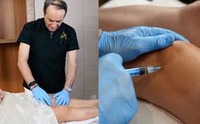
Knee injury treatments
Knee injuries are among the most common musculoskeletal problems affecting people of all ages. Whether caused by sports activities, accidents, aging, or overuse, knee injuries can significantly impact mobility and quality of life. Because the knee joint bears much of the body’s weight, even a minor injury can lead to pain, swelling, and difficulty in movement.
Fortunately, modern medicine offers a wide range of knee injury treatments—from simple home care methods to advanced regenerative therapies. The right treatment depends on the type and severity of the injury, but early diagnosis and proper care are key to successful recovery.
This article explores the most effective knee injury treatments, their benefits, and how they help restore mobility and function.
Understanding Knee Injuries
The knee is a complex joint made up of bones, cartilage, ligaments, tendons, and fluid-filled sacs. Because of its structure and constant use, it is vulnerable to different types of injuries, including:
- Ligament injuries (ACL, MCL, PCL, LCL tears)
- Meniscus tears
- Tendonitis
- Cartilage damage
- Dislocations
- Fractures
- Osteoarthritis-related degeneration
Each type of injury requires a different treatment approach depending on severity and patient condition. Also check this kinesio taping
Common Symptoms of Knee Injuries
Recognizing symptoms early helps prevent further damage. Common signs include:
- Pain while walking or bending the knee
- Swelling and inflammation
- Stiffness or reduced range of motion
- Instability or “weak” knee feeling
- Clicking or popping sounds
- Difficulty bearing weight
If symptoms persist for more than a few days, medical evaluation is strongly recommended. check this tecar therapy
Initial Knee Injury Treatments (R.I.C.E Method)
For many mild to moderate knee injuries, initial care follows the R.I.C.E method:
1. Rest
Avoid putting stress on the injured knee to prevent further damage.
2. Ice
Applying ice packs reduces swelling and numbs pain. It is usually recommended for 15–20 minutes every few hours.
3. Compression
Using an elastic bandage or knee support helps control swelling.
4. Elevation
Keeping the leg elevated reduces fluid buildup and inflammation.
This method is often the first line of treatment before advanced therapies are considered.
Medications for Knee Pain Relief
Doctors often recommend medications to manage pain and inflammation. These may include:
- Nonsteroidal anti-inflammatory drugs (NSAIDs) such as ibuprofen
- Pain relievers like acetaminophen
- Topical creams or gels for localized relief
- In some cases, corticosteroid injections
While medications help control symptoms, they do not repair damaged tissues, which is why they are often combined with other treatments.
Physical Therapy and Rehabilitation
Physical therapy is one of the most important knee injury treatments. It focuses on restoring strength, flexibility, and joint stability.
A physiotherapy program may include:
- Strengthening exercises for thigh and calf muscles
- Stretching routines to improve flexibility
- Balance and stability training
- Low-impact aerobic exercises like cycling or swimming
- Manual therapy techniques
Rehabilitation helps prevent future injuries and is essential for long-term recovery.
Knee Braces and Support Devices
Knee braces are commonly used to stabilize the joint and reduce pressure during healing. They are especially helpful for:
- Ligament injuries
- Post-surgery recovery
- Chronic knee instability
- Sports-related injuries
Different types of braces are available, including compression sleeves, hinged braces, and immobilizers.
Advanced Knee Injury Treatments
For more severe or chronic knee conditions, advanced medical treatments may be necessary.
1. Platelet-Rich Plasma (PRP) Therapy
PRP therapy uses the patient’s own blood, processed to concentrate healing platelets. These are injected into the injured knee to:
- Reduce inflammation
- Promote tissue repair
- Improve joint function
It is commonly used for tendon injuries, ligament strains, and early arthritis.
2. Stem Cell Therapy
Stem cell therapy is a regenerative treatment that aims to repair damaged tissues by using the body’s natural healing cells. It is gaining popularity for:
- Cartilage damage
- Osteoarthritis
- Chronic knee pain
This therapy supports tissue regeneration and may help delay or avoid surgery in some cases.
3. Hyaluronic Acid Injections
These injections help lubricate the knee joint and improve mobility. They are often used for patients with osteoarthritis and joint degeneration.
Benefits include:
- Reduced friction
- Improved movement
- Pain relief
Surgical Treatments (When Necessary)
In severe cases, surgery may be required. Common surgical options include:
- Arthroscopy (minimally invasive repair of damaged tissues)
- Ligament reconstruction (such as ACL surgery)
- Meniscus repair or removal
- Partial or total knee replacement
Surgery is usually considered when conservative treatments fail to provide relief.
Lifestyle Changes for Knee Health
Long-term recovery and prevention depend heavily on lifestyle habits. Important changes include:
- Maintaining a healthy weight to reduce joint pressure
- Engaging in low-impact exercises
- Avoiding sudden high-intensity movements
- Wearing proper footwear
- Practicing good posture and movement techniques
These changes help protect the knee and reduce the risk of reinjury.
Recovery Timeline for Knee Injuries
Recovery time varies depending on injury severity:
- Mild injuries: 1–3 weeks
- Moderate injuries: 4–8 weeks
- Severe injuries: Several months or longer
- Post-surgical recovery: 3–12 months
Following medical advice and rehabilitation programs is crucial for full recovery.
Prevention of Knee Injuries
Prevention is always better than treatment. Some effective strategies include:
- Warm-up before exercise
- Strength training for leg muscles
- Avoiding overtraining
- Using proper technique during sports
- Wearing protective gear when needed
Strengthening the muscles around the knee significantly reduces injury risk.
Conclusion
Knee injuries can be painful and limiting, but with the right treatment approach, recovery is highly achievable. From basic R.I.C.E methods and physical therapy to advanced regenerative treatments like PRP and stem cell therapy, there are multiple options available depending on the severity of the condition.
Early diagnosis, proper care, and consistent rehabilitation play a crucial role in restoring knee function and preventing long-term complications. Whether the injury is mild or severe, modern knee injury treatments offer effective solutions to help patients regain mobility and return to their daily activities with confidence.