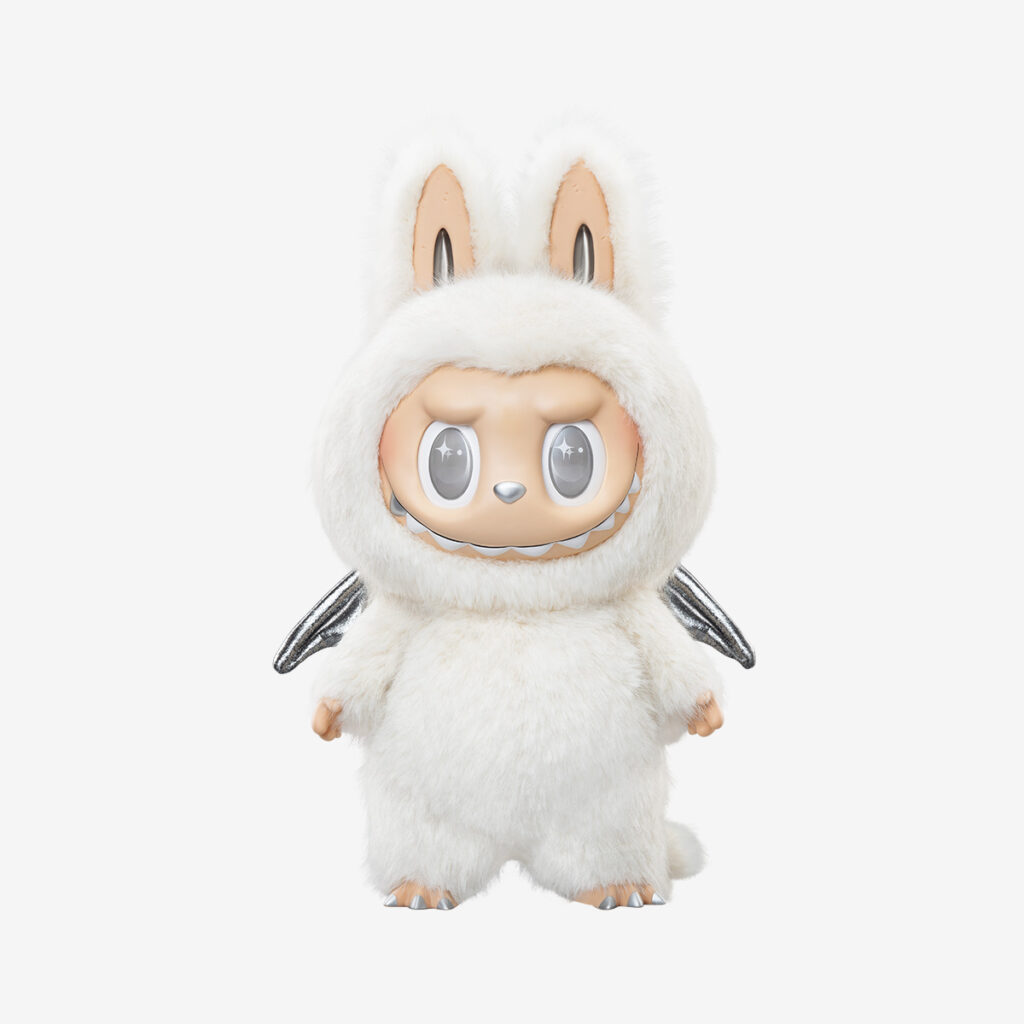
Labubu
In the ever-expanding universe of designer toys and collectible art figures, few characters have managed to stand out as vividly as Labubu. At first glance, Labubu may appear like a simple, slightly chaotic creature with wide eyes and a mischievous grin, but beneath that playful exterior lies a deeply expressive character that has captured the imagination of collectors around the world. Labubu is not just a toy sitting on a shelf; it represents a blend of storytelling, emotional expression, and artistic experimentation that reflects the evolution of contemporary collectible culture.
What makes Labubu particularly fascinating is how it manages to feel both cute and unsettling at the same time. This contrast is intentional, giving the character a unique emotional depth that resonates differently with each viewer. For some, Labubu is a symbol of childhood imagination twisted into something more surreal, while for others it represents freedom from traditional expectations of what “cute” characters should look like.
Origins: The Creative Mind Behind Labubu
Labubu was created by Hong Kong-based artist Kasing Lung, who is widely known for his dreamy, storybook-inspired art style. His works often combine European fairy-tale aesthetics with darker, more emotional undertones. Labubu first appeared as part of his illustrated universe known as “The Monsters,” a world filled with strange yet endearing creatures that seem to exist somewhere between fantasy and dream logic.
The inspiration behind Labubu stems from Kasing Lung’s childhood imagination and his fascination with folklore, fairy tales, and emotional storytelling. Unlike traditional commercial toy characters that are designed primarily for mass appeal, Labubu was born from a more personal artistic space. This is why the character feels so expressive—every crooked tooth, every exaggerated eye, and every mischievous smile carries an artistic intention rather than a purely commercial design choice.
As the character evolved, it transitioned from illustrations into physical designer toys through collaborations with art toy companies such as Pop Mart, helping Labubu reach a global audience of collectors who appreciate both art and emotional storytelling in collectible form.
Design Philosophy: Imperfect, Emotional, and Expressive
One of the most striking aspects of Labubu is its design philosophy. Unlike polished, symmetrical characters that aim for perfection, Labubu embraces imperfection. Its uneven facial expressions, slightly chaotic hair, and unpredictable posture create a sense of liveliness that feels almost human. This imperfection is not a flaw—it is the core of its identity.
Labubu’s design often plays with emotional duality. It can look both innocent and mischievous, cheerful yet slightly eerie. This contrast allows viewers to project their own emotions onto the character. In many ways, Labubu acts like a visual mirror: depending on your mood, you might see it as playful and funny, or strange and even a little haunting.
This emotional flexibility is what separates Labubu from many other collectible figures. It does not tell a single fixed story. Instead, it invites interpretation, making each encounter with the figure feel personal and subjective.
The Rise of Designer Toy Culture and Labubu’s Role
Labubu’s popularity cannot be separated from the rise of global designer toy culture. Over the past decade, collectible art toys have shifted from niche hobby items into mainstream cultural artifacts. These toys are no longer just objects for play; they are seen as miniature sculptures that represent artistic identity and emotional storytelling.
Within this movement, Labubu has become one of the most recognizable characters. Collectors are drawn not only to its aesthetic appeal but also to the emotional narrative embedded in its design. Each release or variation of Labubu introduces subtle changes in expression, costume, or theme, making every version feel like a new chapter in an ongoing story.
The global expansion of platforms like Pop Mart has further amplified Labubu’s reach, turning it into a cultural phenomenon that spans Asia, Europe, and beyond. Blind box culture, in particular, has contributed to its popularity, as collectors enjoy the excitement of discovering which version of Labubu they will receive.
Emotional Connection: Why People Relate to Labubu
One of the most interesting aspects of La bubu popularity is the emotional connection people feel toward it. Unlike traditional toys that are designed primarily for children, Labubu appeals strongly to adults who find meaning in its expressive imperfections.
Many collectors describe Labubu as a representation of their inner emotional world—sometimes chaotic, sometimes joyful, and sometimes mysterious. The character’s unpredictable expression allows it to embody feelings that are difficult to articulate in words. In a way, Labubu becomes a form of emotional storytelling without language.
This emotional resonance is also tied to nostalgia. Labubu often reminds people of childhood drawings, fairy tales, and imaginative worlds that existed before adulthood introduced structure and routine. However, it is not purely nostalgic; it also feels modern, edgy, and artistically sophisticated.
Collectibility and Artistic Value
From a collector’s perspective, Labubu is more than just a cute figure—it is part of a larger artistic ecosystem. Limited editions, collaborations, and themed releases make each version of Labubu feel unique and valuable. Some versions are inspired by seasonal themes, while others explore fantasy, mythology, or emotional states.
Because of its artistic origins, Labubu is often treated like a piece of collectible art rather than a simple toy. Collectors display it alongside other designer figures, treating their collections as curated galleries of miniature art. This shift in perception has elevated Labubu’s status in the art toy community.
The rarity of certain editions also contributes to its desirability. Limited releases create a sense of urgency and exclusivity, making collectors more emotionally invested in acquiring specific versions. However, beyond market value, many fans appreciate Labubu simply for its artistic expression.
Cultural Impact: A Global Symbol of Emotional Art Toys
Labubu’s influence extends beyond individual collectors and into broader pop culture. It represents a shift in how people engage with characters and art. Instead of consuming passive entertainment, audiences now actively participate in collecting, interpreting, and emotionally connecting with physical objects.
In many ways, Labubu has helped redefine what a character can be. It is not tied to a single storyline, animation, or franchise. Instead, it exists as an evolving artistic concept that can change with each new interpretation. This flexibility allows it to remain relevant across different cultures and creative communities.
Its global appeal also highlights the universal nature of emotional expression. Even though Labubu originated from a specific artistic vision, its themes—curiosity, mischief, loneliness, joy—are universally understood.
The Future of Labubu in Art and Collectibles
As designer toy culture continues to evolve, Labubu is likely to remain a significant figure within the movement. Its ability to adapt to new themes and collaborations ensures that it stays fresh and relevant. More importantly, its emotional depth gives it longevity beyond trends.
Future iterations of Labubu may continue exploring new artistic directions, possibly integrating digital art, interactive experiences, or even augmented reality interpretations. However, at its core, Labubu will likely retain the same emotional essence that made it popular in the first place: a small, imperfect character that reflects the complexity of human emotion.