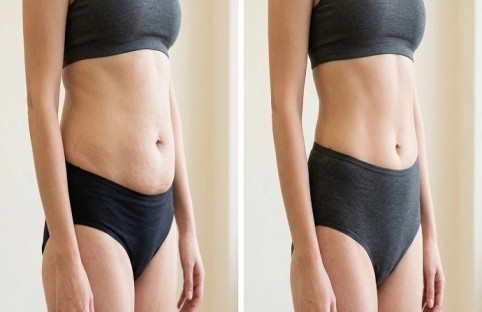
Liposculpture Dubai
Liposculpture Dubai has become an increasingly popular option for people who want to improve their body contours and achieve a more defined appearance. Unlike traditional weight-loss methods, liposculpture focuses on reshaping specific areas of the body by removing localized fat deposits. It can be used to enhance the contours of the abdomen, waist, thighs, arms, back, hips, and other areas where stubborn fat may be resistant to diet and exercise.
Dubai is known for its modern medical facilities, experienced cosmetic surgeons, and advanced aesthetic procedures. However, choosing liposculpture should involve more than simply comparing clinics or prices. Understanding how the procedure works, who may benefit from it, what recovery involves, and how to select a qualified surgeon can help you make a well-informed decision.
What Is Liposculpture?
Liposculpture is a body-contouring procedure designed to remove unwanted localized fat and create more balanced body proportions. The surgeon uses specialized techniques and instruments to carefully remove fat from selected areas while paying attention to the body’s overall shape.
The primary objective is not simply to remove as much fat as possible. Instead, the procedure aims to sculpt the body by selectively reducing fat deposits and improving the transition between different areas.
For example, someone may have stubborn fat around the abdomen and flanks despite maintaining a relatively healthy lifestyle. Liposculpture can potentially reduce these deposits and create a more defined waistline.
It is important to understand that liposculpture is not a substitute for weight-loss treatment. It is generally intended for individuals who are close to their healthy or desired weight but have localized areas of fat that they would like to improve.
Why Choose Liposculpture in Dubai?
Dubai has developed into an important destination for cosmetic and aesthetic treatments. Patients considering liposculpture can find clinics equipped with modern technology and surgical facilities, along with specialists experienced in body-contouring procedures.
One advantage of choosing a reputable clinic is access to a comprehensive treatment process. This can include an initial consultation, physical assessment, discussion of expectations, procedure planning, and postoperative follow-up.
Patients may also have access to different body-contouring approaches depending on their anatomy and goals. A qualified surgeon can determine which technique is appropriate rather than recommending the same approach for every patient.
Areas Commonly Treated
Liposculpture can be performed on several areas of the body where localized fat is present. Common treatment areas include:
- Abdomen
- Waist and flanks
- Hips
- Thighs
- Upper arms
- Back
- Under the chin
- Male chest in selected cases
- Knees and other smaller areas
The exact areas suitable for treatment depend on factors such as skin quality, fat distribution, overall health, and the patient’s desired outcome.
During the consultation, the surgeon can assess these areas and explain whether liposculpture is appropriate.
Benefits of Liposculpture
One of the main advantages of liposculpture is its focus on body shape rather than overall body weight. Removing localized fat can help improve proportions and create a more streamlined appearance.
Potential benefits include:
Improved Body Contours
Carefully removing excess fat can create smoother transitions between different areas of the body and improve overall proportions.
Targeted Fat Reduction
Liposculpture can address stubborn fat deposits that may not respond significantly to exercise or dietary changes.
Better Definition
Depending on the patient’s anatomy and skin elasticity, removing selected fat deposits can make natural body contours more visible.
Customized Treatment
Treatment can be planned around an individual’s specific body shape rather than following a standardized approach.
Long-Term Results
Fat cells removed during the procedure do not grow back. However, remaining fat cells can enlarge if a person gains significant weight, so maintaining a stable lifestyle remains important after treatment.
Who Is a Suitable Candidate?
The ideal candidate for liposculpture is generally a healthy adult who has realistic expectations and is bothered by localized fat deposits.
A consultation may consider:
- Overall health
- Body weight and stability
- Skin elasticity
- Fat distribution
- Previous surgeries
- Medical conditions
- Medications and supplements
- Smoking or alcohol consumption
- Desired aesthetic outcome
People with significant excess skin may require a different or additional procedure. For example, someone with substantial loose abdominal skin after major weight loss may benefit more from a tummy tuck than liposculpture alone.
A qualified surgeon should assess your individual situation before recommending treatment.
How Does Liposculpture Work?
Before the procedure, the surgeon normally marks the areas that will be treated. These markings help guide the planned fat removal and maintain symmetry.
Depending on the treatment plan, small incisions are made in discreet locations. A thin cannula is then introduced through these openings to remove targeted fat.
The surgeon carefully controls the amount and location of fat removal. This precision is particularly important when the objective is contouring rather than simply reducing volume.
The procedure may be performed under local anesthesia with sedation or general anesthesia, depending on the extent of treatment and the surgeon’s recommendation.
The duration varies according to the number and size of areas being treated.
Recovery After Liposculpture
Recovery varies from person to person. Some patients experience swelling, bruising, tenderness, or temporary numbness in the treated areas. These effects generally improve gradually during the recovery period.
Patients may be advised to wear compression garments to support the treated areas and help manage swelling. Following postoperative instructions carefully can contribute to a smoother recovery.
Light daily activities may become possible relatively quickly, but strenuous exercise and physically demanding activities should usually be avoided until the surgeon confirms that it is safe.
The final contour does not appear immediately. Swelling can make the treated areas look different during the early recovery period. As swelling decreases, the results generally become more apparent.
How Much Does Liposculpture Cost in Dubai?
The cost of liposculpture in Dubai varies considerably because there is no single price that applies to every patient.
Factors that can influence the cost include:
- Number of areas treated
- Amount of fat to be removed
- Surgical technique
- Type of anesthesia
- Surgeon’s experience
- Hospital or clinic facilities
- Preoperative assessments
- Postoperative care
- Compression garments and other associated services
Patients should be cautious about choosing a clinic solely because it offers the lowest price. Cosmetic surgery requires appropriate medical assessment, qualified professionals, suitable facilities, and proper follow-up care.
During your consultation, request a clear breakdown of what is included in the quoted price.
Choosing a Liposculpture Surgeon in Dubai
Selecting the right surgeon is one of the most important decisions you will make. Look for a properly licensed and appropriately trained plastic or cosmetic surgeon with relevant experience in body-contouring procedures.
Before making a decision, consider asking:
- What qualifications and certifications does the surgeon have?
- How frequently does the surgeon perform body-contouring procedures?
- Where will the procedure take place?
- What technique is recommended for your body type?
- What are the potential risks and complications?
- What should you expect during recovery?
- What follow-up care is provided?
- Can the surgeon explain realistic results for your specific case?
Before-and-after photographs may also help you understand the surgeon’s approach, although results vary from one individual to another.
Liposculpture vs. Liposuction
The terms liposculpture and liposuction are sometimes used interchangeably, but they can describe slightly different treatment goals.
Liposuction generally refers to the removal of unwanted fat through suction. Liposculpture places greater emphasis on precision and body shaping, with the surgeon strategically removing fat to improve contours and proportions.
In practice, many modern procedures combine fat removal with careful contouring. The terminology used by clinics can therefore vary.
The best approach depends on your anatomy and goals rather than the name of the procedure alone.
Is Liposculpture Permanent?
Fat removal can provide long-lasting changes because the fat cells removed from the treated area are permanently eliminated. However, this does not prevent future weight gain.
If a patient gains substantial weight after liposculpture, the remaining fat cells can increase in size and alter the overall body contour. Maintaining a balanced diet, regular physical activity, and a stable weight can help preserve the outcome.
Understanding the Risks
Like any surgical procedure, liposculpture has potential risks. These may include infection, bleeding, swelling, bruising, temporary or persistent changes in sensation, contour irregularities, asymmetry, fluid accumulation, and complications related to anesthesia.
More serious complications are possible, particularly when large-volume fat removal or multiple procedures are involved.
This is why treatment should be performed by a qualified surgeon in an appropriate medical facility. A thorough consultation should include a discussion of both benefits and potential risks.
Final Thoughts
Liposculpture Dubai can be an effective option for individuals seeking targeted body contouring rather than general weight loss. By selectively removing localized fat deposits, the procedure can help improve proportions and create more defined contours in areas such as the abdomen, waist, thighs, arms, and back.
However, successful treatment depends on appropriate patient selection, realistic expectations, surgical planning, and qualified medical care. The consultation is an essential part of the process because every body is different, and the most suitable technique varies from person to person.
If you are considering liposculpture, focus on choosing a properly qualified surgeon and an accredited medical facility rather than making your decision based only on cost. Understanding the procedure, recovery process, expected results, and potential risks will help you approach your treatment with realistic expectations and make a more informed decision.