Food packaging does more than hold a meal. For restaurants, food trucks, cafes, fast-casual businesses, catering companies, stadium concessions, and other food-service operations, packaging is part of the customer experience.
A plain food container may perform its basic function, but branded packaging can do more. It can introduce a business to new customers, reinforce brand recognition, improve food presentation, and create a more consistent experience across dine-in, takeaway, and event service.
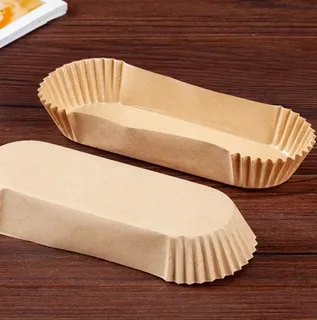
Paper trays are especially common in casual food service because they are convenient for serving burgers, fries, sandwiches, hot dogs, chicken tenders, nachos, appetizers, and combination meals. When these trays include a well-designed logo or brand pattern, they can become a visible part of the customer’s experience.
This does not mean that printed packaging automatically produces more sales. Food quality, service, pricing, location, cleanliness, and customer satisfaction remain essential. However, when those fundamentals are strong, branded packaging can provide an additional marketing and presentation advantage.
Why Can Disposable Food Trays Be Better With Branding?
Disposable paper food trays provide a practical serving solution, while custom printing can turn the same basic format into a recognizable brand asset.
Plain packaging is intentionally neutral. It can work for businesses that want a simple presentation or need a low-cost serving solution. However, neutral packaging does not tell customers who provided the food.
A printed tray can communicate that information immediately.
A restaurant can place its logo prominently on the tray or use a repeating pattern that customers can recognize. Colors, typography, illustrations, slogans, and other brand elements can also be incorporated into the design.
This matters because customers interact with the packaging while eating. The brand remains visible on the table, counter, picnic area, stadium seat, or takeout surface.
For a business operating in a competitive U.S. food market, every customer touchpoint can contribute to brand recognition.
How Can Branded Paper Add More Value to Food Service?
Customized wax paper can complement a branded tray by creating another layer of visual consistency around the meal.
For example, a burger restaurant might coordinate its serving paper with the design printed on its trays, bags, cups, and takeaway boxes. This can make the entire food presentation feel more organized.
Brand consistency helps customers connect different products and services with the same business.
A customer who sees the same logo and visual style across multiple packaging items may find the business easier to remember. This is particularly useful for restaurants that rely on repeat customers.
The packaging itself does not need to be complicated. A clean logo, two or three brand colors, and a simple repeating pattern can often create a stronger impression than a design filled with too many elements.
Why Does Food Presentation Matter to Customers?
Customers eat with their eyes as well as their taste expectations.
A neatly presented burger with fries can look more appealing when it is served in an organized tray. A paper tray can help keep food positioned in one place and create separation between the meal and the table or serving surface.
Branding adds another visual layer.
Instead of seeing a generic container, customers see a product presented by a specific business.
This can be particularly important for:
- Burger restaurants
- Fast-casual restaurants
- Food trucks
- Cafes
- Delis
- Sandwich shops
- BBQ restaurants
- Sports concessions
- Food festivals
- Catering businesses
- University dining operations
The presentation should always support the food rather than distract from it.
Can Logo Printing Improve Brand Recognition?
Yes. A logo printed on packaging can increase the number of times customers see a brand during a meal.
Brand recognition develops through repeated exposure. A customer may encounter a restaurant’s name on its storefront, website, social media page, menu, employee uniform, delivery vehicle, and packaging.
When these visual elements are consistent, customers can more easily connect them.
This is useful for both established businesses and newer food brands.
A new restaurant in Brooklyn, for example, may compete with numerous nearby dining options. Its logo and color system can help create a recognizable identity. A food truck in Austin can use consistent packaging to strengthen recognition at different events. A regional fast-casual chain can use the same packaging design across multiple locations.
The objective is not simply to put a logo on a tray. The objective is to create a consistent visual identity.
How Does Branded Packaging Affect Customer Perception?
Packaging can influence how customers perceive the overall professionalism of a business.
A coordinated package can make the food feel more intentionally presented. Customers may associate attention to packaging with attention to other parts of the business.
This perception is not guaranteed, and packaging cannot compensate for poor food or service. However, small visual details can contribute to the overall experience.
Consider two meals that contain the same burger and fries. One is served in a plain container, while the other is presented in a clean tray with a well-designed brand pattern.
The food itself has not changed, but the visual experience can be different.
For restaurants competing in premium fast-casual markets, these details may be particularly valuable.
Why Are Plain Disposable Containers Limited as a Branding Tool?
Plain packaging can perform its physical function effectively, but it usually provides little opportunity for brand communication.
A customer may use the container and discard it without ever learning which business produced the meal.
For businesses that invest in advertising, social media, signage, and customer acquisition, this represents a missed opportunity.
A printed serving tray can reinforce the brand at the exact moment the customer is experiencing the product.
This is especially relevant when customers photograph their meals or share food experiences online. A visible logo can help connect the image with the business.
Again, businesses should not assume that branded packaging alone creates social media engagement. It simply gives the brand another chance to be seen.
How Can Printed Trays Support Takeout and Dine-In Service?
Many food businesses serve customers through several channels.
A restaurant may have dine-in seating, pickup orders, delivery, catering, and event service. Each channel can use different packaging formats, but the visual identity can remain consistent.
For example, the same brand colors might appear on:
- Serving trays
- Food wrapping paper
- Takeout boxes
- Paper bags
- Cups
- Napkins
- Stickers
- Product labels
This creates a connected customer experience.
Even when packaging formats differ, the customer should still recognize the business.
Can Branded Trays Help Food Trucks Stand Out?
Yes. Food trucks often operate in visually competitive environments.
At a festival, market, concert, or street-food gathering, several vendors may operate close to one another. A food truck needs to be recognizable from a distance, but branding should also continue after the customer leaves the service window.
Printed food packaging can help extend the visual identity from the vehicle to the customer’s table or eating area.
A customer carrying a branded tray through an event may also expose the business name to other attendees.
For food trucks that attend recurring events, consistent packaging can make the brand more familiar over time.
How Can Branded Trays Support Customer Loyalty?
Customer loyalty is based on the quality of the overall experience.
If customers enjoy the food, receive good service, and find the business convenient, they are more likely to consider returning. Branded packaging can reinforce the memory of that experience.
For example, a customer might visit a local burger restaurant every few weeks. Over time, the restaurant’s colors, logo, packaging, menu, and food presentation become familiar.
This familiarity can reduce the mental effort involved in choosing where to eat.
A recognizable package can act as a visual reminder of a previous experience.
Can Packaging Help Promote New Products?
Yes. Printed packaging can include carefully planned promotional messages.
A restaurant launching a new sandwich could incorporate a short message into its packaging design. A seasonal food business could use limited-edition artwork for a holiday menu.
Possible promotional applications include:
- New menu announcements
- Seasonal products
- Loyalty programs
- Catering services
- Social media accounts
- Special events
- Limited-time offers
- QR codes
- Brand messages
Businesses should avoid overcrowding the package with marketing information. The brand and food should remain easy to identify.
What Makes a Good Logo Packaging Design?
A strong design is usually simple, recognizable, and appropriate for the food business.
Several elements deserve attention.
Logo Size
The logo should be large enough to recognize without dominating the entire tray.
Color
Brand colors should be reproduced consistently and should work well with the material being printed.
Typography
Text should remain readable at the actual package size.
Pattern
Repeating patterns can add visual interest without requiring a large amount of text.
White Space
Leaving some open space can make the design feel cleaner and more professional.
Food Visibility
The packaging should frame the meal rather than overwhelm it.
A professional designer can help adapt the brand identity to the physical dimensions and printing limitations of the tray.
How Important Is Food Safety When Choosing Paper Trays?
Food safety should always be a primary consideration.
Businesses should select packaging that is suitable for the intended food-service application. This is especially important when the tray will come into contact with hot, greasy, acidic, or moist foods.
Restaurants should ask suppliers about material specifications and intended food-contact use.
The packaging should also be stored correctly before use. Paper products should generally be kept in a clean, dry area away from contamination and excessive humidity.
Employees should be trained to handle clean packaging appropriately.
How Does Grease Resistance Affect Tray Performance?
Many popular restaurant foods contain grease or oils.
Burgers, fries, fried chicken, onion rings, wings, and other foods can transfer oil to paper. If the material is not suitable for the application, it may weaken, stain, or become difficult to handle.
Restaurants should therefore consider grease resistance when selecting serving materials.
Testing is valuable because actual performance depends on the food, temperature, serving time, and amount of oil.
A sample test can reveal whether the tray remains stable and attractive during normal service.
How Can Businesses Choose the Right Tray Size?
Tray dimensions should match the menu.
A small tray may work well for a single sandwich, while a larger option may be better for combination meals.
The business should consider:
- Food portion size
- Number of food items
- Sauce containers
- Condiments
- Customer handling
- Available table space
- Storage capacity
- Employee workflow
A tray that is too large can waste material and make a small meal look lost. A tray that is too small can make food difficult to arrange.
The right size should provide enough room for the food without unnecessary excess.
Are Printed Trays Suitable for Events and Concessions?
Yes. Event businesses can use branded serving trays to create a consistent food presentation across large crowds.
They can be useful at:
- Baseball games
- Football games
- Basketball arenas
- Concerts
- Festivals
- County fairs
- University events
- Corporate gatherings
- Outdoor markets
At high-volume events, packaging must be easy for employees to handle. Businesses should test the tray format during realistic service conditions.
Branding can also help event vendors distinguish themselves from other food providers.
Can Custom Packaging Support a Local Brand Identity?
Local identity can be valuable for restaurants and food businesses.
A company serving a specific city or region may incorporate local themes into its packaging while keeping its primary branding clear.
For example, a restaurant in Chicago might use artwork inspired by local architecture. A coastal restaurant in Florida could incorporate simple ocean-related design elements. A Texas BBQ business might use regional visual themes.
These details can help customers associate the brand with its location.
Businesses should avoid making claims that imply official affiliations unless they have the appropriate rights or permissions.
What Should Restaurants Ask a Packaging Supplier?
Before placing an order, businesses should ask practical questions.
Important questions include:
- What materials are available?
- Is the tray appropriate for hot food?
- How does it perform with greasy foods?
- What sizes are available?
- What printing methods are offered?
- What artwork specifications are required?
- Is a physical sample available?
- What is the minimum order quantity?
- What are the lead times?
- How should the trays be stored?
- What food-contact documentation is available?
These questions can help businesses choose packaging based on actual operational needs rather than appearance alone.
Why Should Businesses Test Branded Trays Before Ordering in Bulk?
Bulk packaging orders represent a significant commitment, especially for small businesses.
A physical sample allows the business to evaluate the tray from several perspectives.
Employees can test how quickly they can prepare and serve food. Managers can inspect printing quality. Customers or staff can assess how comfortable the tray is to carry.
The business can also test how the material reacts to actual food.
Testing can identify problems with:
- Tray dimensions
- Structural strength
- Grease resistance
- Moisture handling
- Printing quality
- Storage
- Employee workflow
- Customer usability
A short testing period can prevent larger problems later.
FAQs About Logo-Printed Food Trays
Are branded food trays better than plain trays?
They can provide additional branding and presentation benefits while performing the same basic serving function. Whether they are the best choice depends on the business’s goals and budget.
Can a restaurant print its logo on paper trays?
Yes. Custom printing can generally incorporate approved logos, patterns, colors, and other artwork depending on the material and printing process.
Do printed trays help increase repeat customers?
They can support customer recognition and reinforce positive experiences, but repeat business depends on many factors, including food quality, service, price, and convenience.
Are logo-printed trays useful for food trucks?
Yes. Food trucks can use them to extend their visual identity beyond the vehicle and service window.
Can custom trays be used for burgers and fries?
Yes, provided the selected tray is designed for the food type, temperature, grease level, and serving conditions.
Are printed paper trays food safe?
Food-contact suitability depends on the specific material and construction. Businesses should confirm the supplier’s specifications for their intended application.
Can branded trays be used at stadium concessions?
Yes. They can provide practical serving functionality while helping concession operators maintain consistent branding.
Should businesses request samples?
Yes. Sampling is a practical way to test fit, strength, food compatibility, print quality, and employee usability before placing a larger order.
Can food packaging include promotional messages?
Yes. Businesses can incorporate appropriate marketing elements such as product announcements, social media information, loyalty details, or QR codes.
Final Words
Plain disposable packaging can provide the basic function of holding and serving food, but branded paper trays can contribute much more to the overall customer experience.
A thoughtfully designed tray can improve presentation, reinforce brand recognition, support a consistent visual identity, and create another opportunity for customers to remember a restaurant or food business. This can be particularly valuable for restaurants, food trucks, caterers, concession operators, and event businesses competing for attention in busy U.S. markets.
The most effective approach is to balance branding with practical performance. Food safety, grease resistance, moisture handling, tray strength, size, storage, printing quality, and employee workflow should all be considered before ordering.
When attractive packaging is paired with high-quality food and dependable service, it can become a useful part of a broader strategy for building customer recognition and encouraging repeat visits.