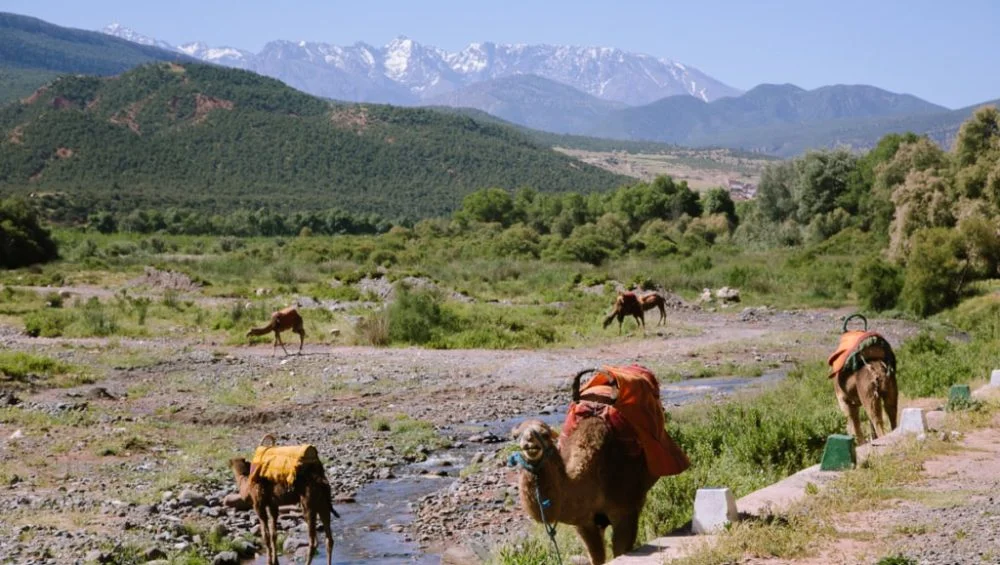
Stretching across Morocco, Algeria, and Tunisia, the Atlas Mountains offer a spectacular blend of dramatic landscapes, cultural richness, and sustainable travel experiences. Travelers from around the world visit this majestic region for its snow-capped peaks, lush valleys, traditional Berber villages, and high-end eco-lodges that combine comfort with environmental responsibility.
Luxury and eco-tourism have become closely connected as visitors seek meaningful experiences that support local communities and preserve natural beauty.
The growing interest in responsible travel has transformed the way tourists explore mountain destinations. Instead of large commercial resorts, many travelers now prefer boutique accommodations, guided hiking experiences, and eco-friendly retreats. This shift has created opportunities for sustainable development while protecting the unique heritage and biodiversity of the region.
The Natural Beauty of the Region
The Atlas Mountains are famous for their breathtaking scenery. Towering peaks, green valleys, waterfalls, and desert landscapes create a diverse environment unlike any other destination in North Africa. Every season offers something unique, from snowy winter views to colorful spring wildflowers and cool summer escapes.
Nature lovers can enjoy scenic hiking trails, mountain biking routes, and panoramic viewpoints. Many visitors are drawn to areas such as the High Atlas, where dramatic cliffs and remote villages provide unforgettable travel experiences. The peaceful atmosphere allows travelers to disconnect from busy city life and reconnect with nature.
Wildlife also contributes to the ecological importance of the region. Native plants, rare birds, and endangered animals thrive in protected environments. Eco-tourism initiatives help preserve these ecosystems by promoting low-impact travel and environmental awareness.
The Rise of Luxury Eco-Lodges
Luxury tourism in the Atlas Mountains has evolved significantly over the past decade. Modern travelers increasingly seek accommodations that offer both comfort and sustainability. As a result, eco-lodges and boutique mountain retreats have become popular choices.
These accommodations often use locally sourced materials such as stone, clay, and wood to blend naturally with the environment. Solar energy, water conservation systems, and organic food production are commonly integrated into daily operations. Guests can enjoy luxury amenities while minimizing their environmental footprint.
Many high-end lodges also provide personalized services, including private guides, wellness treatments, and gourmet cuisine inspired by traditional Moroccan flavors. Rooftop terraces, infinity pools, and panoramic mountain views create a balance between elegance and authenticity.
By hiring local staff and purchasing regional products, these eco-lodges contribute directly to nearby communities. This model supports sustainable economic growth while preserving cultural traditions.
Cultural Experiences and Local Communities
One of the most rewarding aspects of visiting the Atlas Mountains is the opportunity to experience Berber culture. Indigenous communities have lived in these mountain regions for centuries, maintaining traditions that remain deeply connected to the land.
Eco-tourism encourages respectful cultural exchanges between travelers and local residents. Visitors can stay in traditional guesthouses, participate in cooking workshops, or learn about ancient farming practices. Handcrafted textiles, pottery, and jewelry are often sold directly by artisans, helping preserve local craftsmanship.
Guided cultural tours allow travelers to explore historic kasbahs, weekly markets, and rural villages. Unlike mass tourism, responsible travel experiences focus on authenticity rather than commercialization. This approach ensures that tourism benefits local families while protecting cultural identity.
Hospitality is an essential part of Berber culture, and many visitors describe their interactions with local communities as the highlight of their journey. Sharing meals, tea ceremonies, and stories creates meaningful memories that go beyond ordinary sightseeing.
Adventure Activities for Sustainable Travelers
Adventure tourism plays a major role in the popularity of the Atlas Mountains. Travelers seeking active experiences can enjoy hiking, trekking, rock climbing, horseback riding, and mountain biking. Guided tours are designed to minimize environmental impact while showcasing the region’s natural beauty.
Trekking routes vary from easy valley walks to challenging multi-day expeditions. Experienced guides help visitors navigate remote terrain safely while explaining local history, geology, and wildlife. Small group tours reduce overcrowding and encourage responsible tourism practices.
Winter sports are also gaining attention in mountain regions with seasonal snowfall. Skiing and snowboarding opportunities attract visitors looking for alternative destinations outside traditional European resorts. Eco-conscious operators are increasingly adopting sustainable practices to protect mountain ecosystems during tourism development.
For travelers interested in wellness tourism, yoga retreats and meditation programs are becoming more common. The peaceful mountain environment provides an ideal setting for relaxation and personal reflection.
Sustainable Food and Farm-to-Table Dining
Food tourism has become an important part of luxury eco-travel experiences. Many lodges and guesthouses emphasize organic, locally grown ingredients sourced from nearby farms and gardens. Traditional Moroccan dishes are prepared using seasonal vegetables, herbs, olive oil, and freshly baked bread.
Farm-to-table dining supports local agriculture while reducing the environmental impact of imported food products. Visitors often have the opportunity to tour organic farms, participate in cooking classes, and learn about sustainable farming methods.
Meals are frequently served in scenic outdoor settings with mountain views, creating memorable dining experiences. Mint tea, tagines, couscous, and fresh fruits remain central to regional cuisine, reflecting centuries-old culinary traditions.
Sustainable dining also encourages waste reduction through composting, reusable materials, and careful resource management. These practices align with the broader goals of eco-tourism and environmental conservation.
Challenges Facing Sustainable Tourism
Despite its many benefits, eco-tourism in the Atlas Mountains map faces several challenges. Climate change threatens water supplies, biodiversity, and agricultural systems throughout the region. Increasing tourism numbers can also place pressure on fragile ecosystems and traditional communities.
Infrastructure development must be carefully managed to avoid environmental damage. Roads, hotels, and tourism facilities can disrupt wildlife habitats if sustainability standards are ignored. Waste management remains another important issue, particularly in remote areas with limited resources.
Education and awareness are essential for promoting responsible travel behavior. Tourists are encouraged to respect local customs, reduce plastic waste, conserve water, and support ethical businesses. Governments, tourism operators, and community organizations must continue working together to ensure long-term sustainability.
Conclusion
Luxury and eco-tourism have created a new way to experience the Atlas Mountains by combining comfort, adventure, and environmental responsibility. Travelers can enjoy breathtaking landscapes, authentic cultural encounters, and sustainable accommodations while contributing to local economies and conservation efforts.
As demand for responsible travel continues to grow, the region has the opportunity to become a global model for sustainable mountain tourism. By protecting natural resources and preserving cultural heritage, future generations will continue to enjoy the beauty and traditions that make this destination truly extraordinary.