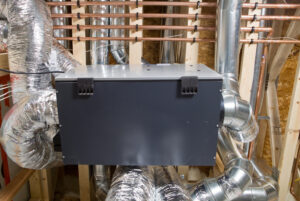
Poor air circulation can allow household moisture, dust, and airborne pollutants to build up indoors, affecting comfort and air quality. Introducing a consistent supply of outdoor air helps remove stale air and manage humidity levels, which can reduce the likelihood of condensation forming on indoor surfaces. A fresh air exchange system can support this process in well-sealed homes where limited natural airflow makes ventilation more difficult. By exchanging used indoor air for fresh air from outside, the system helps maintain a more pleasant living environment. Choosing equipment that matches the property’s size, layout, and airflow requirements can improve ventilation performance while considering energy use and maintaining comfortable indoor conditions.
How Controlled Air Exchange Works Inside a Home
Fresh-air ventilation systems regulate indoor airflow by extracting used air and introducing outdoor air into the property. Supply and exhaust fans help move air through designated pathways, allowing occupied rooms to receive fresh air while removing stale air from areas where odours and moisture commonly develop. Depending on the system design, filters can also reduce the amount of dust and pollen entering indoor spaces.
Some models include heat recovery technology to reduce the energy lost during ventilation. These units transfer heat between outgoing and incoming air through separate passages, preventing the air streams from mixing directly. The recovered heat can bring incoming air closer to the desired indoor temperature, helping maintain comfort while reducing the energy required to heat or cool replacement air.
Why Consistent Airflow Matters for Residential Comfort
Regular air replacement helps remove indoor contaminants that can accumulate through cooking, cleaning, household activities, and everyday occupancy. Introducing outdoor air can reduce the concentration of dust, allergens, and lingering odours while supporting more manageable humidity levels. When excess moisture is removed effectively, indoor surfaces may be less likely to remain damp, helping reduce conditions associated with mould development.
Reliable ventilation can also make enclosed rooms feel less stuffy, particularly when natural airflow is limited. A dedicated system provides a more controlled method of circulating air than relying solely on occasional window opening. With suitable airflow and equipment settings, households can maintain fresher indoor conditions while accounting for comfort, ventilation needs, and energy consumption.
Matching a Residential Fresh-Air System to the Home
Selecting a suitable house fresh air system requires consideration of floor area, room arrangement, occupancy, and existing ventilation. The system needs to supply adequate outdoor air to regularly occupied spaces while extracting stale, moisture-laden air from rooms such as bathrooms and kitchens. Correct capacity selection helps prevent insufficient ventilation or unnecessary energy use caused by excessive airflow.
The layout of ducts and vents also affects how effectively air reaches different parts of the property. Equipment selection may involve comparing filtration capabilities, heat recovery performance, operating noise, control options, and maintenance access. Evaluating these factors before installation helps establish a ventilation arrangement suited to the building, supporting even air distribution and dependable performance across the home.
Improving Ventilation Efficiency with Heat Recovery Technology
Heat recovery technology can reduce the energy penalty associated with bringing outdoor air into a home. As stale indoor air passes out through the unit, some of its thermal energy transfers to the incoming air through a heat exchanger. This can reduce the difference between incoming air temperature and the preferred indoor setting, potentially lowering the workload placed on heating or cooling equipment.
Actual efficiency depends on system design, airflow balance, maintenance, and the property’s climate and operating conditions. Properly insulated ducts and suitable control settings can further limit avoidable energy losses. When ventilation is planned around household requirements, heat recovery equipment can provide a useful balance between regular fresh-air supply, indoor comfort, and more efficient energy use.
Key Steps before Installing a Home Air Exchanger
Fitting a residential air exchanger begins with evaluating the building’s airflow requirements, available installation space, and compatibility with existing mechanical systems. Planning should account for the position of outdoor intake and exhaust openings, the routes taken by ducts, and the placement of supply and extraction grilles. Appropriate duct sealing and insulation can help preserve airflow and reduce unwanted heat transfer.
Electrical connections, controls, and equipment clearances must also be considered in line with relevant installation requirements. In a new build, the ventilation layout can often be coordinated with other building services, while an existing home may need modifications to accommodate the equipment. Once installation is complete, airflow testing and control adjustments can help verify that the system is distributing and extracting air as intended.
Preserving Airflow through Regular Equipment Care
Keeping a ventilation system in good condition requires periodic checks of its filters, ducts, fans, and heat exchanger. Filters should be cleaned or replaced according to the manufacturer’s instructions, as accumulated particles can restrict airflow and reduce filtration performance. Ducts and vents should also be examined for blockages, damage, or leakage that could prevent air from reaching the intended rooms.
Mechanical components and electronic controls may require inspection to identify unusual sounds, wear, or inconsistent operation. Cleaning the heat exchanger when recommended can help maintain effective thermal transfer. A maintenance schedule suited to the equipment and household conditions can support dependable ventilation, reduce avoidable faults, and help preserve system performance over time.
Creating a Fresher Home with Continuous Air Replacement
A well-designed fresh-air exchange system can help maintain cleaner indoor conditions by diluting airborne contaminants and removing stale air. Suitable filtration can capture some particles, including dust and pollen, before they circulate through living areas. Ventilation also helps manage moisture produced by cooking, bathing, and other household activities, reducing persistent dampness that may contribute to musty smells and mould-related concerns.
Regular air replacement may also help lower concentrations of certain indoor pollutants released by furnishings, cleaning products, and other household materials. Results depend on outdoor air quality, filtration effectiveness, airflow rates, and the sources of pollution inside the property. When properly selected and maintained, fresh-air exchange equipment can support a more comfortable indoor environment and consistent household ventilation.
Ensuring Ventilation Designs Meet Applicable Building Standards
Residential ventilation equipment should be selected and installed in line with relevant regulations and technical standards relating to safety, energy efficiency, and indoor air quality. Depending on the requirements that apply, these standards may address airflow rates, equipment efficiency, and overall system operation to help maintain appropriate ventilation within the property.
Other requirements may relate to acceptable noise levels and the use of suitable, approved construction materials. Installation practices can also include measures to limit air leakage, preserve effective air distribution, and provide sufficient ventilation in occupied rooms.
Periodic checks and appropriate servicing can help maintain system performance and identify issues that may affect compliance. Following applicable standards supports reliable operation, promotes indoor comfort, and helps ensure that ventilation installations meet relevant national and local building requirements.
Comparing Contemporary Fresh Air Systems with Conventional Ventilation
Contemporary fresh air systems provide more controlled air circulation than traditional methods that rely primarily on open windows, passive vents, or natural air movement. Conventional ventilation can fluctuate according to outdoor weather and building characteristics, potentially allowing heated or cooled indoor air to escape without recovering its energy. Modern systems manage supply and exhaust airflow while using filtration to improve the quality of incoming air.
Heat recovery offers another advantage by transferring thermal energy between separate incoming and outgoing air streams, helping reduce ventilation-related energy losses. Balanced airflow and automatic controls can further adjust operation to suit changing conditions and ventilation needs. These features make modern equipment a practical option for homes requiring consistent air exchange, greater indoor comfort, and improved management of energy consumption.
Emerging Innovations in Residential Airflow Management
Advances in fresh air ventilation are introducing more adaptable ways to manage indoor air conditions. Smart sensors can track humidity, temperature, and selected air-quality indicators, enabling ventilation equipment to respond to changing conditions. Automated settings may also adjust airflow according to room occupancy or activities that generate additional moisture and odours, helping maintain suitable ventilation throughout the day.
Developments in filtration are improving the ability of some systems to capture smaller airborne particles, depending on filter specifications. Heat recovery designs are also being refined to retain more of the thermal energy carried by outgoing air. Together, these technologies can offer greater control over ventilation, support more efficient operation, and help maintain comfortable indoor conditions as household requirements change.
Calculating the Ongoing Costs of Residential Ventilation
Installing a residential fresh-air system can influence household running costs by improving the efficiency of air replacement and reducing avoidable heating or cooling demand. In systems with heat recovery, thermal energy from extracted air is transferred to incoming outdoor air, reducing the work required to bring it closer to the preferred indoor temperature. Efficient fans and suitable control settings can further influence electricity consumption during operation.
The financial outcome varies according to the system’s purchase and installation price, energy performance, property design, local utility rates, and maintenance requirements. Any energy savings need to be weighed against filter replacements, servicing, and other operating expenses. Comparing these factors over the expected service life provides a clearer picture of the system’s potential value and helps determine whether its long-term costs suit the property’s needs.
Conclusion
A residential fresh air exchange system helps regulate indoor air renewal while managing ventilation throughout the home. Recovering heat from extracted air and transferring it to incoming air can support indoor comfort and reduce the workload on heating and cooling systems. Filtration helps remove certain airborne particles, while consistent air circulation can assist with moisture management. Selecting suitable equipment, insulating ducts correctly, and maintaining components regularly all contribute to dependable airflow and effective operation in modern residential spaces.
FAQs
How does heat recovery make home ventilation more efficient?
Heat recovery transfers part of the thermal energy from outgoing indoor air to fresh air entering the property. This reduces the amount of heating or cooling needed to bring incoming air closer to the desired indoor temperature. As a result, residential ventilation can provide fresh air while helping maintain comfort and reduce avoidable energy consumption.
How does a fresh air exchange system operate?
A fresh air exchange system removes stale indoor air and introduces filtered outdoor air through separate air passages. A heat exchanger transfers thermal energy between these streams without allowing them to mix directly. Incoming air is therefore conditioned before reaching occupied rooms, helping maintain air circulation and reduce indoor temperature fluctuations.
How should a fresh air exchanger be maintained?
Maintenance generally involves checking filters and cleaning or replacing them at intervals recommended by the manufacturer. Outdoor intake and exhaust grilles should remain clear of dust, leaves, and other blockages. Professional servicing can also examine fan performance, duct joints, and the heat exchange core to identify problems that could restrict airflow or reduce efficiency.
How does mechanical fresh air ventilation differ from natural ventilation?
Mechanical fresh air ventilation uses powered equipment to manage air circulation and may include filtration and heat recovery. Natural ventilation depends on windows, vents, and other openings, with airflow influenced by outdoor weather conditions. A mechanical fresh air exchanger offers greater control over air replacement, can filter incoming air, and may reduce unnecessary heat loss and indoor moisture buildup.
| Related Business Listings |
| Contact Directory |
| Local Business Profiles |