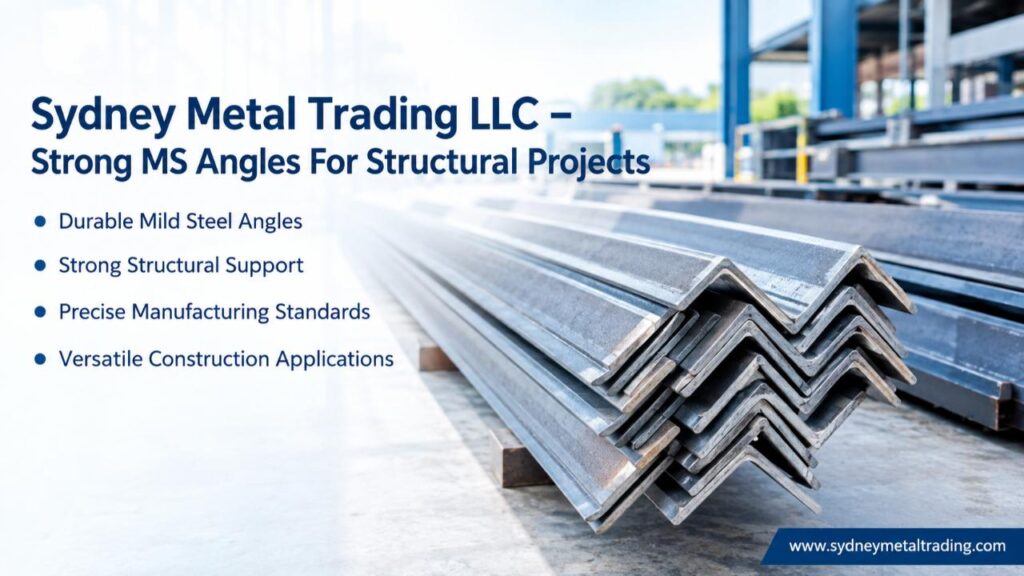
When you walk past a rising skyscraper, peek under a steel bridge, or even look closely at a heavy-duty storage rack, you are seeing the quiet work of structural steel. Among the vast array of steel products out there, few shapes do as much heavy lifting as MS Angles. These L-shaped metallic profiles act as the hidden skeleton for countless structures, offering support, stiffness, and shape where builders need it most. Whether you are building a simple backyard gate or managing a major commercial build, picking the right frame components is crucial. That is why understanding the real-world performance of different MS Angles makes all the difference when turning a blueprint into a sturdy reality.
Understanding the Basics: Equal vs Unequal MS Angles
To get a grip on how these structural pieces work, imagine taking a strip of flat steel and bending it straight down the middle to form an “L” shape. The two flat parts that branch out from the bend are called the “legs.” The distinction between equal and unequal types comes down to the lengths of those legs.
-
Equal Leg Angles: Both sides of the L-shape measure the same length from the corner to the tip. If one side is two inches wide, the other side is two inches wide as well. Because of this perfect symmetry, weight and force spread out evenly across both sides.
-
Unequal Leg Angles: One side of the L-shape is visibly longer than the other. You might have a leg that measures three inches on one side paired with a leg that is only two inches on the other. This asymmetrical design allows the steel piece to handle uneven loads and fit snugly into awkward corner spaces.
Because mild steel is easy to cut, drill, and weld, both styles give builders incredible flexibility on the job site. However, their physical differences change how they react when heavy forces start pushing and pulling on them.
Key Features and Differences of MS Angles
To pick the right component for a project, it helps to break down how these two shapes behave under pressure. Here is a quick look at what sets them apart in daily use:
-
Symmetry and Load Distribution: Equal shapes deliver uniform strength in both directions. Unequal shapes offer targeted strength along their longer leg, making them ideal when weight comes primarily from one angle.
-
Space Management: When working inside tight architectural frames, the shorter leg of an unequal piece can tuck away easily without sacrificing structural support.
-
Material Efficiency: Using an unequal piece allows engineers to put extra steel only where it is strictly needed, keeping the overall weight of the structure lighter.
-
Versatility in Joining: Equal shapes make corner joints straight and straightforward, while unequal options give welders and riveters more surface area on one side to attach complex brackets.
Choosing between them isn’t about which one is “better,” but rather which one solves your specific spatial and load challenges.
How Do Equal MS Angles Perform in Construction?
Equal leg profiles are the go-to choice when symmetry, balance, and simple alignment are top priorities. Because both legs are identical, calculating structural load is straightforward—there are no unexpected weak points or off-center forces to worry about.
In residential and commercial buildings, you will frequently see these balanced L-shapes used in grid formations. They make fantastic trusses, roof supports, and cross-bracing channels for steel buildings. When force pushes down on a roof or frame, equal legs spread that pressure outward in equal measure. They are also widely used in everyday fabrications like trailer beds, security gates, shelving frames, and equipment bases. If your structure needs clean 90-degree corners with predictable strength on both axes, equal shapes are almost always the right tool for the job.
How Do Unequal MS Angles Excel in Construction Applications?
While equal shapes love symmetry, real-world construction is often messy, uneven, and constrained by awkward layout spaces. This is where unequal leg profiles shine. By having one longer side, this design provides extra bending resistance along a specific plane without adding unnecessary weight to the entire length of the beam.
A classic example of this is in lintels—the horizontal supports that span across the top of door and window openings. Wall loads above an opening push down heavily, but there might not be much depth available inside the wall cavity. An unequal piece can sit with its long leg standing vertically to resist sagging, while its short leg lies flat to support the brickwork or masonry above. You will also spot these asymmetrical profiles in bridge construction, shipbuilding, tower cranes, and specialized industrial equipment where machinery rests unevenly on a frame.
Selecting the Right Steel Profiles for Your Building Project
Deciding between these two steel options comes down to analyzing the direction of your structural loads and the physical limits of your workspace. If you are building a simple, boxy frame where forces push down evenly, stick with equal legs—they are easier to align, simpler to join, and widely available.
However, if your design involves asymmetrical forces, cantilevered edges, or narrow mounting spaces, unequal legs offer a smarter engineering solution. They give you high strength along the critical axis while keeping material costs and overall frame weight down. Combining both types across different parts of a single build is often the secret to creating a structure that is both rock-solid and cost-effective.
When sourcing quality steel components for your next project, working with a trusted supplier ensures you get exact dimensions, reliable structural grades, and expert guidance. For reliable structural steel solutions tailored to your building needs, consider partnering with Sydney Metal Trading LLC to keep your job site running smoothly.