Good oilfield site preparation service in Texas is vital to the success of your drilling operation, since it impacts safety, efficiency of operations, environmental compliance, and controlling costs throughout the life of your drilling operation. Poorly planned and prepared drilling projects may experience delays in getting started due to the need for redesigns of site layout, operations, or equipment; may incur damage to equipment; may have injury or death to employees or bystanders; and may incur unexpected costs because of the above issues.
Conduct a Thorough Site Assessment
The first step in your preparation of an oilfield site is to complete a full site assessment. It includes assessing the site’s terrain, surface soil, drainage patterns, and any other environmental factors that may impact drilling operations at your site. Survey teams will measure and assess the elevation of the site so they can identify any areas of concern, including changes in elevation, unstable ground, flood potential, and any other barriers. By understanding how the physical characteristics of the site will affect the drilling operation, engineers can effectively plan the layout for the drill rig and all other equipment; the location of buildings and structures; and the placement of access routes.
Secure Necessary Permits and Regulatory Approvals
Companies have to make sure they already have all necessary permits and approvals in place, from local, state, and Federal Government agencies, before they start any kind of construction or drilling work. Oilfield operations are, in a very real sense, tightly overseen so that workers stay safe and the surrounding environment is properly safeguarded, because regulations matter a lot. Some of the permits that may be required for oilfield operations include land use approvals, environmental clearances, stormwater management permits, and road access permits. If proper documentation is not obtained, the project may be shut down, there may be fines or penalties imposed, and there could be legal complications. Having organized documentation and complying with regulations ensures that operations can remain smooth and that there will not be costly interruptions when drilling begins.
Prepare and Stabilize the Site
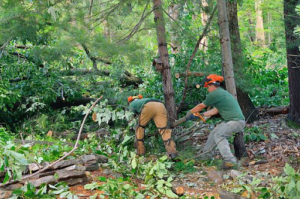
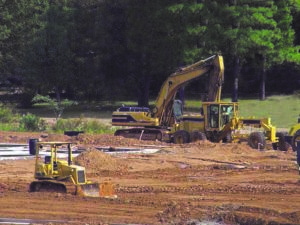
Site preparation work entails clearing trees and brush, cleaning up debris, grading the prepared area, and stabilizing the ground to prepare a safe and functioning drilling site. Heavy equipment and drilling rigs require a solid, level surface to operate both safely and efficiently. Depending on the ground or soil conditions encountered by the contractor during site preparation, different types of materials will be used; these may include gravel, compacted soil, or types of specialized materials used to stabilize or strengthen the site. Grading the site will also help improve the drainage of rainwater off the drilling pad and will help reduce erosion or standing water at the site.
Establish Utility and Infrastructure Systems
Utility systems are critical for success in modern drilling operations. Teams must also develop temporary or permanent utility infrastructures such as water supplies, fuel storage facilities, electric service connections, communication systems, and waste disposal systems during site preparation activities. Water is a vital component of drilling fluids, is required for suppressing dust, and should always be available for sanitary purposes. Additionally, power-generating units and/or power supply connections need to be provided to facilitate lighting, equipment operation, and other operational functions. Setting up these utility systems properly will improve overall productivity as well as promote worker safety and operational reliability.
Implement Safety and Environmental Protection Measures
Establishing safe work practices at all phases of site preparation is the highest priority. Contractors should place safety barricades, warning signs, emergency response equipment, and designated evacuation routes during site preparation before the commencement of drilling operations. Providing erosion control systems, spill containment areas, sediment barriers, and proper waste disposal methods are necessary to limit negative impacts caused by drilling activity on the environment. By preparing for emergencies while adhering to strict safety standards, both employees and the surrounding community will reduce their overall risk.
Closing Thoughts
Preparation of oilfield sites is vital for the success of any drilling operation. Proper site preparation procedures include planning the site, stabilizing the site, setting up the infrastructure, implementing safety measures, and coordinating logistics. Proper preparation enhances workflows and reduces risks associated with operations. A really careful end review helps confirm the location is ready for safe, productive drilling operations. This kind of checking first is just smoother, fewer hiccups, and overall better flow.
By utilizing a comprehensive checklist during oilfield site preparation, companies will be able to improve efficiency, ensure compliance with regulatory requirements, preserve environmental resources, and maintain employee safety at all stages of the project lifecycle. Investing time and resources into effective site preparation will result in consistent drilling performance, fewer disrupted schedules, and sustainable operational success.