Organic Pine Pollen
In recent years, people have become increasingly interested in natural foods and plant-based ingredients that can complement a balanced lifestyle. One ingredient that has gained attention is organic pine pollen. Traditionally used in parts of Asia, pine pollen is a fine powder collected from the male cones of pine trees. Today, it is available in different forms, including raw pollen, powdered supplements, and food products.
But what exactly is organic pine pollen, how is it produced, and how can it be incorporated into a daily routine? Understanding its origins, characteristics, and potential uses can help consumers make informed decisions when choosing a quality product.
What Is Organic Pine Pollen?
Pine pollen is produced by male pine cones as part of the tree’s natural reproductive process. The pollen consists of tiny grains that are released by mature male cones and can be collected during the appropriate season.
The term organic pine pollen generally refers to pine pollen that has been produced and processed according to organic farming and handling standards. Depending on the country and certification system, this may involve restrictions on certain pesticides, synthetic fertilizers, and processing practices.
Organic certification can provide consumers with greater transparency about how an agricultural product was grown and handled. However, certification standards can vary, so it is always worth checking the product label and certification information before making a purchase.
How Is Pine Pollen Collected?
The production of pine pollen begins with carefully selected pine trees. During the pollen-producing season, mature male cones naturally release pollen grains. Producers collect the pollen while taking care to minimize contamination from soil, debris, and other environmental materials.
Once collected, the pollen may undergo processes such as drying, cleaning, and milling. Some products are sold as whole or minimally processed pollen, while others are finely ground into powder.
The processing method can influence the final texture, flavor, and storage requirements of the product. Consumers interested in organic pine pollen should look for products that clearly explain their sourcing and processing methods.
Why Are People Interested in Organic Pine Pollen?
Pine pollen has a long history of traditional use, particularly in traditional Chinese wellness practices. Modern consumers are often drawn to it because it is a plant-derived ingredient that can be incorporated into food and beverage routines.
Another reason for its popularity is its nutritional profile. Pine pollen naturally contains a variety of compounds, including proteins, amino acids, carbohydrates, lipids, vitamins, minerals, and other plant compounds. However, the exact nutritional composition can vary depending on the pine species, growing conditions, harvesting methods, and processing techniques.
It is important to remember that a food or botanical ingredient should not automatically be considered a treatment for a medical condition. More research is needed to understand many of the health-related claims sometimes associated with pine pollen.
Organic Pine Pollen vs. Conventional Pine Pollen
One of the main differences between organic and conventional pine pollen relates to agricultural and processing standards.
Organic products are generally produced under specific requirements designed to limit certain synthetic agricultural inputs and promote defined production practices. When buying organic pine pollen, consumers may therefore look for recognized organic certification on the packaging.
However, the word “organic” does not necessarily mean that a product is nutritionally superior to every conventional alternative. Product quality also depends on factors such as freshness, purity, sourcing, storage, and manufacturing standards.
For this reason, shoppers should consider the complete product label rather than relying on a single characteristic.
Nutritional Profile of Pine Pollen
Pine pollen is naturally made up of numerous nutrients and plant compounds. It can contain protein, amino acids, carbohydrates, fatty acids, minerals, vitamins, and other naturally occurring components.
The pollen grains also have an outer structure that can make them relatively resistant to digestion. Some manufacturers therefore use processing methods designed to break down or open the pollen’s outer wall.
Because nutritional composition differs between products, consumers should check the nutrition facts and ingredient information provided by the manufacturer. A reputable product should clearly identify the ingredient and avoid unnecessary fillers or undisclosed additives.
How to Use Organic Pine Pollen
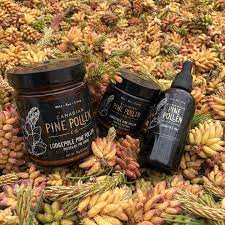
Organic pine pollen is commonly sold as a powder, making it relatively easy to add to everyday foods and drinks.
For example, a small amount can be mixed into:
- Smoothies
- Yogurt
- Oatmeal
- Protein shakes
- Fruit bowls
- Homemade energy bites
- Certain baked goods
Its mild, earthy flavor can work well with foods that already contain fruit, nuts, seeds, or natural sweeteners.
When trying pine pollen for the first time, it can be sensible to start with the serving size recommended on the product label. Different products may have different concentrations and recommended quantities, so following the manufacturer’s directions is important.
Choosing High-Quality Organic Pine Pollen
Not all pine pollen products are necessarily produced to the same standards. When shopping for organic pine pollen, there are several factors worth considering.
Look for Organic Certification
If organic production is important to you, check whether the product carries certification from a recognized organic certification organization. Certification can offer additional information about the production and handling standards used.
Check the Ingredient List
A quality product should have a clear ingredient list. If you are looking for pure pine pollen, choose a product that identifies pine pollen as the primary or only ingredient.
Consider the Source
Information about where the pine pollen was harvested can help consumers understand more about the product. Some manufacturers provide details about the pine species, geographic origin, harvesting practices, and processing methods.
Pay Attention to Packaging
Pine pollen should be packaged in a way that helps protect it from moisture, heat, light, and contamination. Resealable, airtight packaging can be useful for maintaining freshness after opening.
Read Storage Instructions
Always follow the storage recommendations provided by the manufacturer. Proper storage can help preserve the quality and shelf life of powdered botanical products.
Is Organic Pine Pollen Suitable for Everyone?
Although pine pollen is a natural plant product, natural does not automatically mean that it is suitable for everyone.
People with known pollen allergies should exercise particular caution. Pine pollen may potentially cause an allergic reaction in sensitive individuals. Anyone who develops symptoms such as itching, swelling, difficulty breathing, or other signs of a serious allergic reaction should seek appropriate medical attention.
Pregnant or breastfeeding individuals, children, and people taking medications or managing medical conditions should consult a qualified healthcare professional before adding concentrated botanical products to their routine.
It is also important to distinguish between food use and therapeutic use. Pine pollen should not be used as a replacement for prescribed medication or professional medical care.
Storing Organic Pine Pollen
Proper storage is important for maintaining the quality of powdered pine pollen. Keep the product in a cool, dry location away from direct sunlight and excessive humidity. Make sure the container is securely closed after each use.
If the manufacturer recommends refrigeration or another specific storage method, follow those instructions. Consumers should also pay attention to expiration or best-before dates and avoid using products that show obvious signs of moisture damage, contamination, or spoilage.
The Importance of Responsible Sourcing
As interest in botanical products grows, responsible sourcing becomes increasingly important. Pine trees are valuable parts of natural ecosystems, and harvesting practices should take environmental considerations into account.
Responsible producers should have appropriate systems for collecting and processing pollen without unnecessarily damaging trees or surrounding habitats. Transparent sourcing information can help consumers support companies that prioritize quality and sustainable practices.
Final Thoughts
Organic pine pollen is an interesting plant-based ingredient with a long history of traditional use and growing popularity among modern consumers. Available primarily as a powder, it can be added to smoothies, yogurt, oatmeal, shakes, and other foods as part of a varied diet.
When choosing a product, focus on factors such as organic certification, ingredient transparency, sourcing, processing methods, packaging, and storage instructions. It is also important to approach health-related claims with a critical eye, as traditional use and preliminary research do not necessarily establish proven medical benefits.
For people interested in exploring natural botanical ingredients, organic pine pollen can be an option worth learning about. As with any dietary product, quality and responsible use matter, and anyone with allergies, medical conditions, or concerns about potential interactions should seek advice from a qualified healthcare professional before using it.