Phone Diagnostic Software for Mobile Hardware Validation
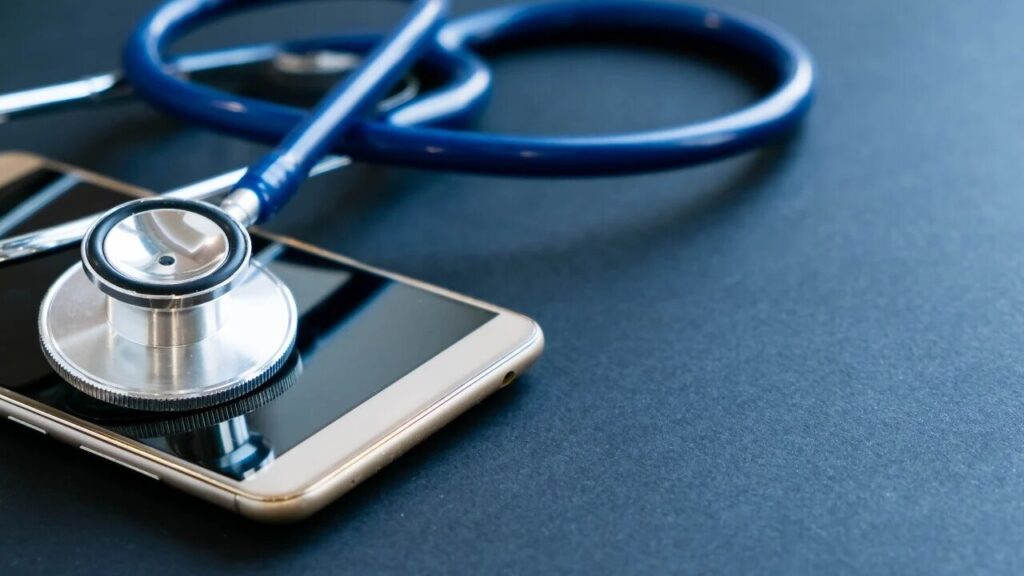
The smartphone industry has become one of the fastest-growing technology sectors in the world. Millions of mobile devices are manufactured, repaired, refurbished, traded, and sold every year. As mobile devices become more advanced, ensuring hardware quality and performance has become increasingly important for manufacturers, repair businesses, refurbishers, and retailers. This is where phone diagnostic software plays a critical role.
Mobile hardware validation is the process of testing and verifying that every hardware component inside a smartphone functions correctly. From touchscreens and cameras to batteries and sensors, every part must perform efficiently to ensure a reliable user experience. Manual testing methods are often slow, inconsistent, and prone to human error. Modern businesses now rely on advanced solutions like Phone Clinix to automate hardware validation and improve operational accuracy.
In today’s competitive smartphone market, quality control is essential. Customers expect devices to perform flawlessly, whether they are purchasing new, refurbished, or repaired phones. Reliable diagnostics help businesses identify hardware issues early, improve customer trust, and reduce costly returns. This article explores how phone diagnostic software supports mobile hardware validation and why Phone Clinix is becoming a valuable solution for businesses in the mobile industry.
Understanding Mobile Hardware Validation
Mobile hardware validation refers to the process of testing smartphone hardware components to ensure they meet performance and functionality standards. This testing is important during several stages of the device lifecycle, including:
- Manufacturing
- Repair and maintenance
- Refurbishment
- Device trade-ins
- Quality control inspections
- Resale preparation
Smartphones contain multiple hardware systems that work together to provide a smooth user experience. If even one component fails, the overall performance of the device may suffer.
Hardware validation helps businesses identify problems before devices reach customers. It also ensures consistency in repair quality and resale standards.
What Is Phone Diagnostic Software?
Phone diagnostic software is a tool designed to evaluate and analyze smartphone hardware and software performance. These tools automate testing procedures and generate reports that help technicians and businesses identify device issues quickly.
Diagnostic software can test:
- Battery condition
- Touchscreen responsiveness
- Camera quality
- Charging systems
- Sensors
- Audio performance
- Connectivity features
- Display functionality
- Buttons and ports
- Face recognition systems
Instead of manually checking every feature, automated software performs comprehensive tests within minutes. This improves speed, accuracy, and consistency.
For businesses handling large numbers of devices, automation is essential for maintaining productivity and quality standards.
Why Hardware Validation Matters
Hardware validation is important because it directly affects device reliability, customer satisfaction, and business reputation.
Ensuring Device Reliability
Customers expect smartphones to function correctly from the moment they receive them. Hardware validation helps detect hidden defects before devices are sold or returned to users.
Reducing Product Returns
Faulty devices often lead to returns, warranty claims, and customer complaints. Proper validation minimizes these issues by identifying problems early.
Improving Repair Accuracy
Repair technicians can use diagnostic reports to pinpoint exact hardware failures. This improves repair efficiency and reduces unnecessary part replacements.
Supporting Refurbishment Quality
The refurbished phone market depends heavily on quality assurance. Hardware validation ensures refurbished devices meet acceptable performance standards.
Maintaining Brand Reputation
Businesses that consistently provide reliable devices build stronger customer trust and long-term credibility.
The Role of Phone Clinix in Hardware Validation
Phone Clinix is designed to streamline smartphone diagnostics and simplify mobile hardware validation. Its automated testing capabilities help businesses improve efficiency and maintain consistent quality standards.
Automated Multi-Point Testing
One of the key advantages of Phone Clinix is automated testing. The software can evaluate multiple hardware components simultaneously, saving time and reducing manual effort.
Tests may include:
- Display inspection
- Battery health analysis
- Camera testing
- Sensor functionality
- Audio performance
- Connectivity checks
Automation ensures that every device is tested using the same standards.
Detailed Diagnostic Reports
Professional reporting is essential in hardware validation. Phone Clinix generates detailed reports that document device condition and performance.
These reports can be shared with customers, suppliers, or internal quality control teams.
Faster Device Processing
Businesses involved in repair, refurbishment, or trade-in operations often handle large volumes of devices daily. Automated diagnostics reduce testing time and improve workflow efficiency.
Improved Quality Control
Consistency is important in mobile hardware validation. Phone Clinix helps businesses maintain standardized testing procedures across all devices.
Key Components Tested During Hardware Validation
Battery Health
Battery performance is one of the most important aspects of smartphone functionality. Diagnostic software evaluates:
- Battery capacity
- Charging speed
- Temperature performance
- Power consumption
Poor battery health can affect overall device usability and customer satisfaction.
Display and Touchscreen
Touchscreen responsiveness and display quality are critical for user experience. Diagnostic tools help identify:
- Dead pixels
- Touch sensitivity issues
- Screen discoloration
- Brightness inconsistencies
Camera Systems
Modern smartphones rely heavily on camera performance. Validation ensures cameras function correctly and produce high-quality images and videos.
Audio Components
Speakers, microphones, and audio systems are tested to ensure clear sound quality and proper communication functionality.
Connectivity Features
Wi-Fi, Bluetooth, GPS, and mobile network connectivity must operate efficiently for reliable smartphone performance.
Sensors and Biometrics
Smartphones include several sensors such as accelerometers, gyroscopes, fingerprint scanners, and face recognition systems. Hardware validation ensures these features work accurately.
Benefits of Phone Diagnostic Software for Repair Businesses
Repair businesses benefit significantly from using phone diagnostic software for hardware validation.
Faster Diagnostics
Automated testing allows technicians to identify issues quickly without lengthy manual inspections.
Reduced Human Error
Standardized diagnostics improve accuracy and reduce the risk of missed problems.
Better Repair Decisions
Detailed reports help technicians determine whether components need repair or replacement.
Improved Customer Transparency
Customers appreciate clear diagnostic results that explain device problems and repair requirements.
Increased Productivity
Businesses can process more devices efficiently using automated diagnostic systems.
Hardware Validation in Refurbishment Operations
The refurbished smartphone market continues to grow rapidly. Buyers expect refurbished devices to perform reliably, making hardware validation essential.
Refurbishment businesses use phone diagnostic software to:
- Inspect incoming devices
- Identify repairable issues
- Verify completed repairs
- Grade device quality
- Prepare devices for resale
Solutions like Phone Clinix simplify these processes by automating inspections and improving consistency.
The Importance of Standardized Testing
Without standardized testing, different technicians may evaluate devices differently. This creates inconsistencies in grading, repairs, and quality control.
Standardized diagnostics provide several advantages:
- Consistent evaluations
- Accurate device grading
- Improved repair reliability
- Better customer confidence
- Reduced operational confusion
Automated software ensures every device is tested using the same procedures and criteria.
Data-Driven Quality Control
Modern diagnostic systems provide more than just test results. They also generate valuable data that businesses can use to improve operations.
By analyzing diagnostic data, businesses can identify:
- Common hardware failures
- Repair trends
- Supplier quality issues
- Device performance patterns
- Return rate causes
This information supports better decision-making and long-term business improvement.
Challenges of Manual Hardware Validation
Businesses relying solely on manual testing often face several challenges.
Time-Consuming Processes
Manual inspections can take significant time, especially when evaluating multiple devices.
Inconsistent Results
Different technicians may interpret issues differently, leading to inconsistent evaluations.
Increased Labor Costs
Manual testing requires more workforce involvement and training.
Higher Risk of Missed Defects
Some hardware problems may go unnoticed during manual inspections.
Automation helps eliminate many of these issues by providing faster and more reliable testing systems.
The Future of Mobile Hardware Validation
As smartphones continue to evolve, hardware validation technologies will become even more advanced.
Future trends may include:
- AI-powered diagnostics
- Predictive hardware analysis
- Cloud-based testing systems
- Automated repair recommendations
- Real-time device monitoring
- Advanced battery analytics
Businesses that invest in modern diagnostic solutions today will be better prepared for future technological advancements.
Sustainability and Hardware Validation
Accurate hardware validation also supports environmental sustainability. Proper diagnostics help extend device life cycles by identifying repairable issues instead of encouraging unnecessary replacements.
This reduces electronic waste and supports responsible smartphone reuse.
By improving repair efficiency and refurbishment quality, phone diagnostic software contributes to a more sustainable mobile industry.
Choosing the Right Diagnostic Solution
Businesses selecting a hardware validation platform should consider several factors.
Testing Accuracy
Reliable diagnostics are essential for accurate hardware evaluations.
Ease of Use
Technicians should be able to operate the software efficiently with minimal training.
Automation Features
Automation improves speed, consistency, and operational productivity.
Reporting Capabilities
Detailed reports support transparency and quality assurance.
Device Compatibility
The software should support a wide range of smartphone brands and models.
Technical Support
Strong customer support helps businesses maintain uninterrupted operations.
Solutions like Phone Clinix provide many of these capabilities while simplifying the hardware validation process.
Why Businesses Are Investing in Diagnostic Technology
The smartphone industry is becoming increasingly competitive, making quality control more important than ever. Businesses that fail to maintain consistent hardware standards risk losing customer trust and market credibility.
Investing in phone diagnostic software provides several long-term advantages:
- Faster device processing
- Improved quality assurance
- Lower operational costs
- Reduced returns and complaints
- Better repair accuracy
- Increased customer satisfaction
- Enhanced business reputation
Automation allows businesses to scale operations while maintaining consistent testing standards.
Conclusion
Mobile hardware validation has become an essential part of the modern smartphone industry. Whether a business is involved in manufacturing, repair, refurbishment, trade-ins, or resale, accurate diagnostics are critical for ensuring device quality and reliability.
This is why phone diagnostic software has become such an important technology. Automated diagnostics improve testing accuracy, streamline workflows, and support consistent quality control across all stages of the mobile device lifecycle.
Solutions like Phone Clinix help businesses simplify hardware validation through advanced automation, detailed reporting, and standardized testing procedures. By improving efficiency and reducing errors, these tools help companies deliver reliable devices while maintaining customer trust.
As smartphones continue to evolve, the demand for smarter and more efficient hardware validation solutions will continue to grow. Businesses that embrace advanced diagnostic technologies today will be better positioned for long-term success in the competitive mobile industry.