Is your child’s summer cough a passing phase or a sign worth addressing?
Most parents assume chest infections are common in the colder months. Blankets, hot soup, steamy bathrooms. But paediatric respiratory cases do not follow a seasonal calendar as neatly as we’d like to believe. This summer, with air quality concerns and shifting viral patterns, pneumonia and chest infections are presenting in children who seemed perfectly well just days before.
Knowing what to watch for could save a great deal of distress, and in some cases, far worse.
What Happens Inside the Lungs During a Cough
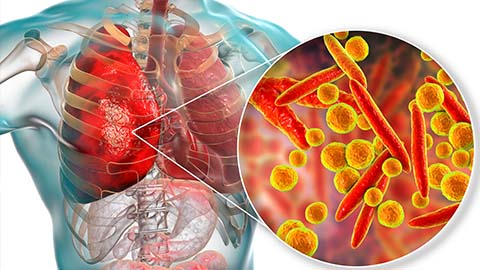
A chest infection typically begins in the upper airways. In many children, it stays there and resolves within a week or so. The real concern is when infection travels deeper, reaching the alveoli – the tiny air sacs responsible for moving oxygen into the bloodstream. When those become inflamed and fluid-filled, that is pneumonia. It is not just a “bad chest cold.” It is the lungs struggling to do their most basic job.
Bacterial pneumonia tends to come on faster and with a higher fever. Viral bronchiolitis, more common in younger children, builds more gradually. Both need proper assessment, not a wait-and-see approach.
Warning Signs That Deserve Attention
Children are notoriously poor at describing how they feel. They may keep playing while quietly struggling. Parents need to watch for physical signs rather than waiting for a complaint:
- Breathing that looks faster than normal, even at rest.
- Intercostal recession – the visible pulling of skin between or beneath the ribs with each breath.
- A cough that is getting worse, not better, after four or five days.
- Fever that refuses to settle after 48 to 72 hours.
- Uncharacteristic tiredness, reduced appetite, or low fluid intake.
- Any bluish tint around the lips or fingernails, call for help immediately.
That last point is non-negotiable. Everything else warrants a prompt visit to a children’s specialist. Waiting for things to “turn a corner” is a gamble not worth taking with a child’s respiratory health.
When to Seek Medical Attention
There is often a gap between “I should probably get this checked” and actually making the appointment. That gap can matter enormously with respiratory infections.
If symptoms are not clearly improving by day four or five, book that appointment. If breathing looks laboured at any stage, do not wait for day four. And for children already managing reactive airways or wheeze, browse online for “asthma clinic near me” and do regular reviews because they are genuinely worth prioritising during summer. Heat and pollen are consistent aggravators that can tip a manageable condition into a more serious one.
A children’s doctor can run a targeted assessment, arrange a chest X-ray if needed, and distinguish between a viral illness that just needs time and a bacterial infection that needs antibiotics. That distinction matters enormously for how the child is treated and how quickly they recover.
Searching for “pediatrician near me” and following up with a specialist after treatment is not optional. It confirms the lungs have cleared properly and catches any lingering complications, such as pleural effusion, fluid around the lungs, before they become a bigger problem.
The Importance of Early Action
Parents who search for a “children’s doctor near me” at the first sign of serious respiratory symptoms consistently see better outcomes. Earlier assessment means earlier treatment, lower risk of hospitalisation, and a faster return to normal life. The clinical judgement of a paediatric specialist, someone who can read a child’s breathing pattern, order the right tests, and interpret results in context, is irreplaceable.
Frequently Asked Questions
Q: What are the first warning signs of pneumonia in children?
A: Watch for a fever that persists beyond two to three days, a cough that worsens rather than improves, and faster-than-normal breathing at rest. Visible chest retractions and flaring nostrils in younger children are particularly telling. If any breathing difficulty is present, seek same-day assessment.
Q: How long does it take for a child to recover from pneumonia?
A: Honestly, it varies more than most parents expect. Some children bounce back within a week of starting treatment; others take three to four weeks to feel truly themselves again. Fatigue tends to linger even after the fever and cough settle. Do not rush a return to normal activity, and always follow up with a children’s specialist once treatment ends — just to be certain the lungs have cleared properly.
Conclusion
Summer 2026 is not the time to dismiss a persistent cough or brush off a lingering fever. Children’s lungs are resilient, but they are not invincible. The parents who act early, ask questions, and seek proper medical input are the ones who tend to see their children recover fastest. Trust the instinct that something is not quite right and act on it.
One step today can protect your child’s health all summer. Book a consultation with Child Lung Clinic and connect with trusted paediatric specialists in your area.