The shopper knows what they want and needs to know about the product before purchasing it in a highly visual world. While traditional photography can create realistic images, it can be expensive and time-consuming as it requires physical prototypes, setups, photographers, and multiple photo shoots for various iterations. A more flexible option is Product 3d rendering, which can be used to produce very realistic digital models of a product before, or after, it has been made.
With close-up 3D models, realistic materials and textures, lighting, reflections and camera compositions, brands can get high-quality product visuals for their e-commerce stores, websites, catalogs, ads, brochures, and social media. 3D rendering can be used to create a wide variety of products, from furniture to electronics, and from appliances to consumer goods, businesses can use 3D rendering to showcase their products from any angle.
What Is Product 3D Rendering?
Product 3d rendering is the process of creating photorealistic computer-generated images of a product using specialized 3D software. Usually starts with CAD drawings, product specifications, sketches, photographs, or physical references.
The 3D artist creates a digital model which mirrors the dimensions and design of the product. The surfaces that can be recreated include metal, glass, wood, plastic, leather, fabric and polished finishes, among others, using materials and textures.
Realistic Shadows, Highlights and reflections are generated by professional lighting. The camera is set at a position that allows the best presentation of the product. The final image can be set against a plain background, be part of a lifestyle scene, or be part of a custom scene set up for marketing purposes.
Why Businesses Choose Product 3D Rendering
The greatest benefit of 3d product renderings is flexibility. After developing digital product models, companies can develop various images without creating a new physical prototype for each one.
A furniture company, for instance, may have the same kind of chair in several colours, fabric and finishes. An appliance company can advertise various models or arrangements of their kitchen appliances. A manufacturer of lighting can showcase products in different lighting environments and conditions.
There is also more creative control with rendering. The camera angle, background, lighting, environment, colors, and composition can be decided based on businesses’ branding needs.
This helps to produce uniform visuals for product catalogs and marketing systems.
Product 3D Rendering for E-Commerce
E-commerce companies rely heavily on product imagery as there is no way to examine products before buying. A visual that is clear and realistic can assist buyers in gaining an understanding of the appearance, design, materials, and features of a product.
The 3d rendering of a product can be created with several views such as front, back, side, top, close-up views, etc. These pictures can accentuate features like texture, handles, stitching, buttons, finishes, pattern and so much more.
Products may also be shown in naturalistic settings. For example, a sofa can be displayed in a modern living room, and a kitchen appliance can be displayed in a contemporary kitchen. These settings provide customers with a view of what products can be expected to appear like in a real environment.
When multiple items are represented in a catalog using the same style, it can present a sophisticated and pro appearance.
Product Rendering for Marketing
Product images are essential for marketing teams in numerous applications, such as social media marketing, web pages, brochures, presentations, catalogs, and ads used in digital marketing. Product 3d rendering gives an ability to produce visuals for every platform.
The product can be shown on a plain studio background for an ecommerce website or in a complex backdrop for a marketing campaign. The product could be displayed against a plain studio backdrop for an online store, or in a complex backdrop for a marketing campaign. The use of dramatic lighting and appropriate camera angles can highlight certain aspects of the design.
Another benefit of this is that the rendering process can start before the actual production has wrapped. Once a company has completed CAD files or product design, they may be able to create marketing graphics prior to the actual product launch.
This can enable brands to better plan their product launches and promotional activities.
Product Rendering vs. Traditional Photography
The photography still has its use for other products, but it usually needs a product or a prototype. This can be difficult when the products are still in a design phase or if several variations of the product should be photographed.
Businesses can make visuals directly from the digital product information using product 3d rendering. Changing colors, materials, backgrounds, and camera angles can be done without having to book a new photoshoot.
This can save both time as well as flexibility while developing a product. Digital rendering is particularly beneficial for companies that frequently launch new products, or products with various configurations.
Depending on the degree of the business, rendering and photography can also be used side by side. Photography will show the products, and 3D rendering will show extra angles, variations, or marketing scenery.
3D Rendering in Architectural Visualization
Product visualization also has its applications in architecture and interior design. Professional 3D visualization assists architects and designers to communicate their ideas before construction or installation.
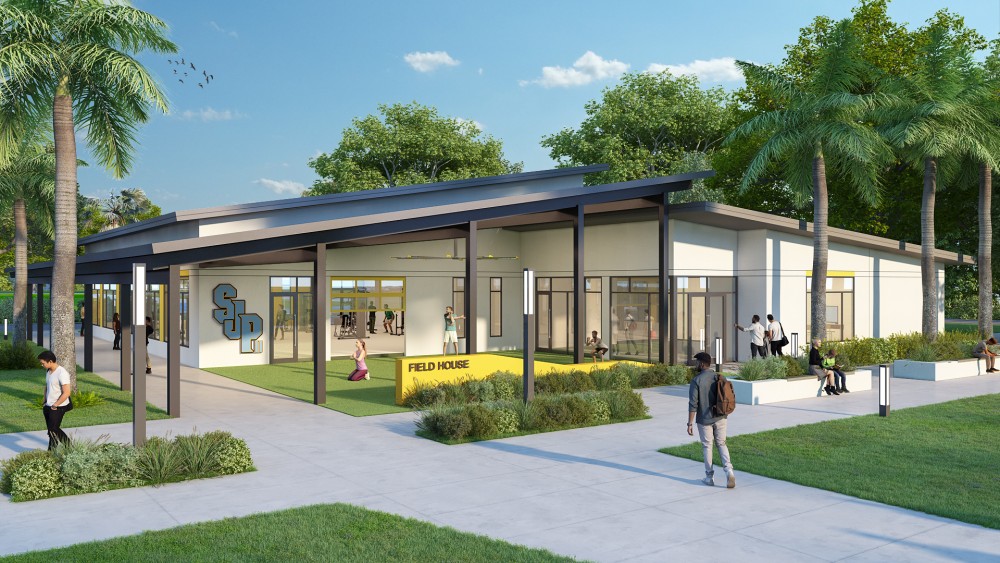
For instance, architectural exterior 3d renderings may showcase buildings facades, windows, doors, roofing, landscaping, outdoor areas, materials, and the surrounding environments. The images can assist architects, developers, and real estate professionals in giving realistic presentations of their proposed projects.
Property marketing is also a possibility with exterior renderings. Developers can present buildings to prospective buyers and investors before the buildings are built, and provide prospective buyers and investors with a clear picture of the buildings to be built.
The Role of 3D Interior Renderings
Another crucial use of 3D technology is in interior visualization. A 3d interior renderings is a computer-generated image that has come to be used for interior design and architecture to show rooms before they are built.
The visuals may feature furniture, flooring, walls, ceilings, cabinetry, lighting fixtures, appliances, decorative features and materials. Clients can observe how the various design elements interact, and offer comments prior to installation.
Interior designers can also use 3D renderings to create presentations for their work. Designers can present a realistic design of the proposed space rather than just sketches or material samples to explain a concept.
Product visualization combined with architectural visualization can be beneficial for furniture, lighting, kitchen, bathroom, and home décor brands. Individual products can be rendered then used to create realistic interior environments.
Industries That Benefit From Product Rendering
The 3D rendering of products can be utilized by companies in various sectors. The sofa, table, chair, bed, wardrobe, and cabinets can be displayed with various finishes as can furniture manufacturers.
Consumer electronics manufacturers can imagine SMS, computer, accessories, appliances, and more. Machinery, equipment, components and technical products can be presented to industrial manufacturers by means of rendering.
Other uses include cosmetic products, packaging, jewellery, lightning, home items, kitchen utensils, automotive parts and lifestyle items.
The overarching objective in all industries is the same: to generate realistic and meaningful images that clearly convey the product design.
Creating High-Quality Product Renders
There are several aspects that make a product render good. Having accurate 3D modeling is important since the digital model needs to reflect the dimensions and proportions of the product.
Accurately capture the surfaces of materials and textures in real-world. Glass should be translucent or reflective, and metal should be shiny and reflective. The texturing methods are different for wood, leather, plastic and fabric.
Lighting is also an important element in realism. Professional lighting can naturally create shadows, reflections, and highlights as well as highlight important features of the product.
Lastly, camera composition and post-production contribute to high-quality final images. The camera can be used in the right angle to communicate the shape of the product while post production can help with color, backgrounds and image quality.
Conclusion
In today’s digital age, 3D rendering products are an effective tool for businesses looking for realistic and visually appealing product images that are flexible and easy to edit. It enables brands to display their products from various perspectives, make multiple variations, prototype lifestyle shots, and generate marketing collateral without 100% physical product prototypes or traditional photography.
With the same technology, architectural exterior and 3d interior renderings are created, giving professionals the ability to visualize buildings and interior spaces before they are built or installed.
3D rendering can create a powerful visual tool that enhances communication, boosts marketing, and aids customers in understanding products and spaces with accurate modeling, realistic materials, professional lighting, and thoughtful composition. Make your products stand out with the professional 3d rendering houston Call us today!