Home renovation can improve the comfort and value of a property, but the work often makes everyday living difficult. Contractors may need access to floors, walls, kitchens, bathrooms, and electrical systems. Furniture and household belongings can get in the way, collect dust, or face accidental damage.
Residential movers during home renovation can help relocate furniture and personal belongings before work begins. They can also support temporary storage, phased delivery, and the final move back into renovated rooms. A clear plan helps homeowners, contractors, and movers work around the same schedule.
Decide what needs to be moved
Start by reviewing the renovation scope with your contractor. Identify rooms that will be unavailable and items that must be removed. A kitchen renovation may require clearing appliances, dining furniture, and pantry items. Floor refinishing may require moving nearly everything from the affected rooms.
Divide belongings into three groups:
- Items that will remain in the home.
– Items that need to move to another room or protected area.
– Items that should go into temporary storage.
Keep essential daily-use belongings accessible. Important documents, medication, keys, chargers, and basic clothing should not be packed into long-term storage.
Coordinate the moving schedule with contractors
Ask the contractor when each room must be empty and when it will be ready for use. Share those dates with the moving company. If work will happen in phases, plan separate furniture moves instead of trying to move the entire household at once.
Build some flexibility into the schedule. Construction work can change because of material delays, inspections, or unexpected repairs. Confirm who will communicate schedule changes and how much notice the moving company needs to adjust a booking.
Protect furniture and household belongings
Clean and prepare items
Remove loose objects from shelves and drawers. Empty cabinets and secure doors where appropriate. Clean furniture before covering it so dust and grit are not trapped against finished surfaces.
Use suitable protective materials
Moving blankets and furniture pads can protect surfaces during handling. Fragile items may need cartons, cushioning, or separate packing. Label boxes by room and mark items that require careful handling.
Keep belongings away from work zones
Do not place furniture in areas where contractors need ladders, tools, or materials. Avoid damp basements, exposed garages, and rooms where sanding or painting is underway. Ask the contractor which spaces are safe for temporary storage.
Consider temporary storage
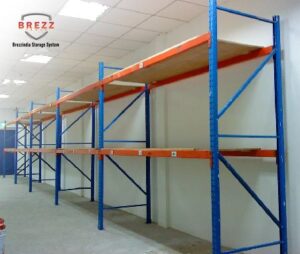
Storage can be useful when the renovation affects several rooms or when the property will not be ready for furniture. It keeps belongings out of the work area and can make contractor access easier.
Before placing items in storage, create an inventory and identify anything you may need during the project. Confirm the storage duration, access arrangements, and delivery process. If you need only selected furniture returned first, ask whether staged delivery is available.
Choose residential movers with a clear service plan
A reliable moving company should understand the scope of the job, access conditions, and timing requirements. Share the home layout, number of rooms, large furniture dimensions, stairs, parking restrictions, and storage needs.
Ask whether the estimate includes packing, furniture disassembly, loading, transportation, storage, and re-delivery. Confirm how changes to the renovation schedule will be handled. If your project is in Connecticut, explore local moving support in Westport or Wilton as part of your planning.
Plan the return move after renovation
Do not schedule furniture delivery until the contractor confirms that the rooms are ready. Fresh paint, unfinished flooring, wet surfaces, and incomplete fixtures can create new risks. Make sure pathways are clear and protective floor coverings are in place if needed.
Use your inventory to check that all stored items are accounted for. Decide where large furniture should go before unloading begins. This can reduce repeated lifting and help you settle back into the home faster.
For local planning and access details, review Westport movers and Wilton moving services. These local service pages can help you assess moving support for your area.
For additional relocation planning, you can also explore Fairfield moving support and Norwalk movers when comparing the services needed for your move.
Frequently asked questions
Should I move furniture out before renovation begins?
Move furniture out of rooms where contractors need access or where dust, moisture, tools, and materials could damage belongings. Confirm the scope with your contractor before deciding what can remain.
Is temporary storage useful during renovation?
Yes. Storage can keep furniture away from work areas and provide more space for contractors. Choose a storage period that matches the expected project timeline and allow for possible delays.
Can movers help with more than one move during renovation?
Some moving companies can arrange phased moves, temporary storage, and return delivery. Confirm the schedule and pricing for each stage before booking.
When should I move furniture back into renovated rooms?
Wait until the contractor confirms the space is safe and ready. Check that floors, paint, fixtures, and access routes are complete before scheduling delivery.
Keep your renovation and move organized
A renovation move works best when the contractor, homeowner, and moving team share one timeline. Decide what to move, protect important belongings, and plan storage or staged delivery early. Real Moving & Storage can help coordinate household moving needs around your renovation schedule. Contact the team to discuss your project and request a quote.