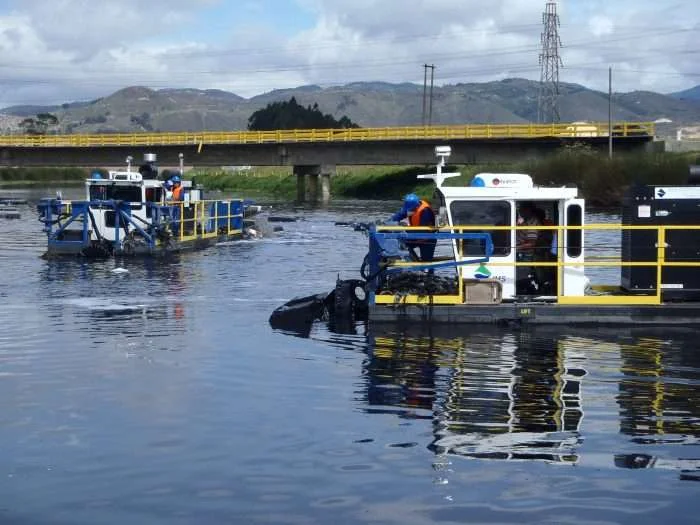
River dredging plays a vital role in maintaining waterways, preventing floods, and supporting navigation. With advancements in technology, modern dredging solutions have become more efficient, cost-effective, and environmentally friendly. This guide explores everything you need to know about river dredging equipment and how it benefits various industries.
Understanding River Dredging Equipment
River dredging equipment refers to specialized machinery used to remove sediment, debris, and other materials from riverbeds. Over time, rivers accumulate silt, sand, and organic matter that can reduce water depth and disrupt natural flow. This buildup can lead to flooding, navigation challenges, and environmental issues.
Modern dredging equipment includes cutter suction dredgers, auger dredgers, bucket dredgers, and hydraulic dredgers. Each type is designed for specific conditions and materials. For example, cutter suction dredgers are ideal for compact soils, while hydraulic dredgers are better suited for loose sediments.
These machines work by loosening material and transporting it through pipelines or mechanical systems. Many advanced systems now feature GPS tracking, automation, and remote monitoring, making dredging more precise and efficient. Choosing the right equipment depends on project size, sediment type, and environmental considerations.
Types Of River Dredging Equipment
River dredging equipment comes in several forms, each tailored to different operational needs. Selecting the right type ensures efficiency and minimizes environmental impact.
One of the most common types is the cutter suction dredger, which uses a rotating cutter head to break up compacted sediment before suctioning it away. Another popular option is the auger dredger, known for its precision and minimal disturbance to surrounding water.
Bucket dredgers use a mechanical chain of buckets to scoop materials from the riverbed. While effective, they are generally slower and used in specific conditions. Jet suction dredgers use high-pressure water jets to loosen sediment, making them suitable for softer materials.
Amphibious dredgers are also gaining popularity, especially in shallow or marshy areas. These versatile machines can operate both on land and in water, making them ideal for difficult terrains. Understanding these types helps project managers select the most suitable solution for their dredging needs.
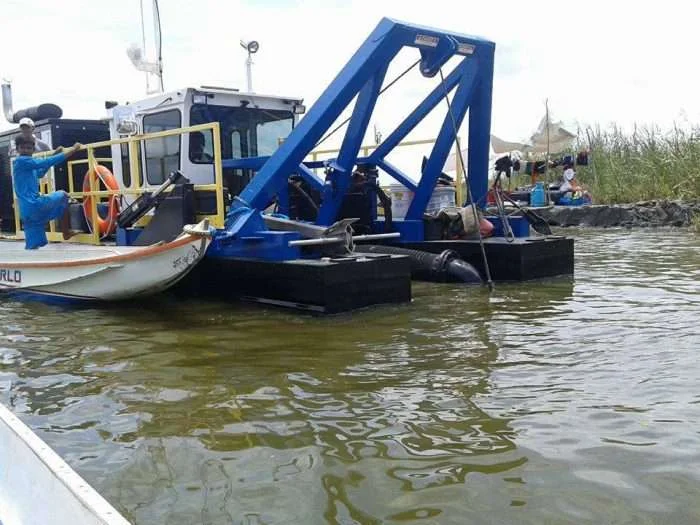
How River Dredging Equipment Improves Waterways?
River dredging equipment plays a crucial role in maintaining healthy and functional waterways. By removing accumulated sediment, dredging restores the natural depth and flow of rivers, reducing the risk of flooding during heavy rainfall.
Improved water flow also enhances navigation for commercial and recreational vessels. Ports, harbors, and inland waterways rely heavily on dredging to remain operational. Without regular maintenance, sediment buildup can disrupt trade and transportation.
Additionally, dredging helps improve water quality. Removing polluted sediments can reduce harmful toxins and promote healthier aquatic ecosystems. This is particularly important in urban areas where industrial runoff can accumulate in riverbeds.
Another key benefit is habitat restoration. Dredging can create suitable environments for fish and other aquatic species by reshaping riverbeds and improving oxygen levels. Overall, the use of modern dredging equipment ensures waterways remain safe, efficient, and environmentally sustainable.
Benefits Of Modern River Dredging Technology
Advancements in river dredging technology have significantly improved efficiency, safety, and environmental protection. Modern equipment is designed to handle complex projects with greater precision and reduced operational costs.
One major benefit is automation. Many dredging systems now use advanced software and GPS technology to ensure accurate dredging depths and locations. This reduces human error and increases productivity. Operators can monitor and control equipment remotely, enhancing safety and convenience.
Energy efficiency is another advantage. Newer dredging machines are built to consume less fuel while delivering higher performance. This not only reduces costs but also minimizes environmental impact.
Environmental protection has become a top priority in modern dredging. Equipment is now designed to limit turbidity and prevent the spread of contaminants. Features such as enclosed suction systems and real-time monitoring help ensure compliance with environmental regulations.
Choosing The Right River Dredging Equipment
Selecting the right river dredging equipment is essential for the success of any dredging project. Several factors must be considered to ensure optimal performance and cost-effectiveness.
First, evaluate the type of material to be dredged. Soft sediments require different equipment compared to hard or compacted materials. Water depth and flow conditions also play a critical role in equipment selection.
Project size and duration are equally important. Large-scale projects may require high-capacity dredgers, while smaller tasks can be handled by compact or portable machines. Budget constraints should also be considered, as different types of equipment vary in cost and maintenance requirements.
Environmental regulations must not be overlooked. Choosing equipment that minimizes ecological impact is crucial for obtaining permits and ensuring sustainable operations.
In the paragraph below, it’s also helpful to explore river dredging services that provide expert guidance and advanced equipment solutions tailored to specific project needs. Working with experienced providers can significantly improve project outcomes and efficiency.
Maintenance And Operational Best Practices
Proper maintenance and operation of river dredging equipment are key to maximizing performance and extending equipment lifespan. Regular inspections help identify wear and tear before it leads to costly breakdowns.
Operators should follow manufacturer guidelines for maintenance schedules, including lubrication, filter replacement, and component checks. Keeping equipment clean and free of debris also improves efficiency and reduces downtime.
Training is another critical factor. Skilled operators can handle equipment more effectively, ensuring safety and precision during dredging operations. Many modern systems include digital interfaces, so proper training is essential to utilize these features fully.
Safety protocols must always be followed. This includes wearing protective gear, monitoring environmental conditions, and ensuring proper communication among team members. A well-maintained and properly operated dredging system not only improves productivity but also ensures a safer working environment.
Environmental Impact And Sustainability
Sustainability has become a major focus in river dredging projects. While dredging is essential for maintaining waterways, it must be conducted responsibly to minimize environmental impact.
Modern river dredging equipment is designed with eco-friendly features that reduce sediment disturbance and protect aquatic life. Techniques such as precision dredging and controlled sediment removal help preserve natural habitats.
Proper disposal of dredged materials is also crucial. Sediments can often be reused for construction, land reclamation, or habitat restoration, reducing waste and promoting sustainability.
Environmental monitoring is another important aspect. Real-time data collection allows operators to track water quality, turbidity, and other factors during dredging operations. This ensures compliance with environmental regulations and helps prevent ecological damage.
Conclusion
River dredging equipment is essential for maintaining safe, navigable, and environmentally healthy waterways. From improving water flow to supporting economic activities, dredging plays a critical role in modern infrastructure.