We did our first proper road trip with our son when he was eight months old, Auckland down to Taupō for a long weekend. It’s about a four-hour drive on a good day. With a baby, it took us closer to six. Lots of stops, one major nappy situation outside Tīrau, and a very long lunch.
It was still a great trip. But I learned a lot, and some of it I wish I’d known before we left. Here’s what I’d tell any parent planning a New Zealand road trip with a little one.
First things first: the car seat rules
This is the part that isn’t optional. According to NZ Transport Agency Waka Kotahi, here’s what the law says:
- Until their 7th birthday: Children must be properly secured in an approved child restraint. This includes baby capsules, car seats, booster seats and child safety harnesses.
- From 7 to their 8th birthday: They must use an approved child restraint if one is in the vehicle. If there isn’t one, they must use any child restraint or seat belt available.
- From 8 to 14: They must use seat belts if available. If not, they must sit in the back.
And if you’re the one driving, it’s on you, legally, to make sure any kid under 7 is buckled into the right restraint.
On top of the legal minimum, NZTA’s advice is to keep babies rear-facing until they’re at least 2, and to keep kids in a child restraint or booster until they hit 148 cm tall. There’s no prize for moving them up early. If they still fit their current seat, keep using it.
Check your car seat before you go
A road trip is a good excuse to give your car seat a proper check:
- Is it approved? In New Zealand, car seats need to meet an approved standard. Look for the joint Australian/New Zealand standard mark, the European standard mark, or the US standard with the NZ “S” mark.
- Is it expired? All car seats have an expiry date. Check the sticker or marker on the seat.
- Has it been in a crash? If so, don’t assume it’s still safe. Get it checked by a child restraint technician.
- Is it fitted correctly? If you’re unsure, NZTA has a list of child restraint technicians who can help.
If you’re hiring a car, book a child seat with the rental company well ahead, and check it when you collect the car.
Plan for more stops than you think
Hours strapped in a car seat isn’t great for a little one, so we built in plenty of breaks for a stretch, a feed and a change. A rough rule we used was to stop every couple of hours, but honestly, our son set the schedule.
Good stops make a difference. Look for towns with a playground, a park or a café with space for a change mat. In our experience, smaller towns along the main routes are often easier than big service stations, and you get to see a bit more of the country.
Timing the drive
We found it worked best to leave just before a nap. With luck, your baby sleeps for the first hour or so, and you make good progress. Driving in the evening can work too, but you’ll be tired at the other end.
Check road conditions before you go, especially in winter. NZTA’s journey planner shows closures and roadworks. Some routes, like the Desert Road, can be affected by snow and ice in the colder months.
What to pack
Here’s what I’d pack for a road trip with a baby:
- Nappies, wipes and a change mat (more than you think)
- Spare clothes for the baby, and a spare top for you
- Feeding gear, plus water and snacks for the adults
- A sunshade for the car window
- A couple of toys and books within reach
- A light blanket
- A first aid kit and any baby medicines
- A stroller or carrier for stops
- Somewhere safe for your baby to sleep at your accommodation
Sleeping at your destination
Don’t assume your accommodation will have a good cot. Some baches and motels have portacots, but quality varies and some are pretty worn. We’d fire off a quick email to check before booking anywhere, or just bring our own.
Plunket’s line is that babies need their own flat, firm sleep space every sleep, and it points out that portacots are really meant as a stopgap for travel, so if you’re using one, follow the instructions and check the mattress fits snugly with no gaps.
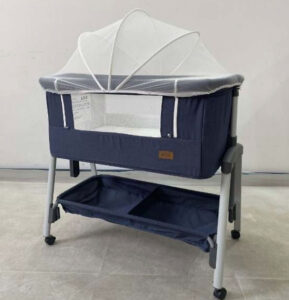
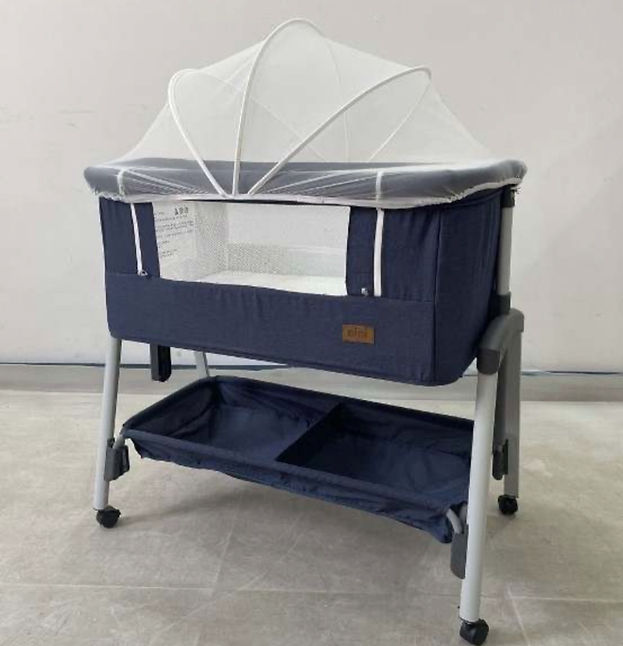
We ended up lugging our own portable baby bed down, mostly so our boy had something familiar to sleep in. It made a real difference to his sleep, and to ours. For example, the NV Kids portable baby bed has seven height settings, an aluminium frame, lockable wheels, a mosquito net (handy at some summer spots), a storage basket and a 35 mm mattress. It was $170 when I looked. Whatever you bring along, double-check it’s right for your baby’s age and actually read the instructions (I know, I know).
Bring a stroller for the stops
A light, foldable stroller is worth its space in the boot. You’ll use it for walks at your destination, for stops along the way, and for carrying all the bags you’ll inevitably pick up. NV Kids is an Auckland store where you can buy baby strollers online in NZ, along with travel gear like portable beds and bassinets.
Enjoy it
Road trips with a baby are slower. And honestly, that’s half the fun. You’ll poke around more small towns and stop more often, and you’ll probably eat more bakery pies than is strictly sensible. Sort the car seat, plan a few stops, and don’t rush it. The mountains will still be there.