Roofing
Walk down any street and the roofline tells you what era a house belongs to before you even glance at the front door. A steep gable whispers cottage charm. A flat low profile hints at midcentury design. Mismatch the two and something feels off even to people who cannot explain why. Roofing is not just protection from rain. It carries the visual signature of a home and picking the wrong style can undercut decades of careful architecture in one swoop.
Why Does Roof Shape Matter So Much for Curb Appeal?
Drive past a row of houses and the eye jumps straight to the roofline before it settles on windows or doors. Steep pitches read as traditional and cozy. Shallow slopes feel modern and streamlined. A roof clashing with the rest of the house creates a strange visual tug of war. Buyers notice this instantly during a walkthrough even if they cannot name the problem outright. Matching roof shape to architecture keeps the whole exterior reading as one coherent statement rather than a patchwork of styles fighting each other.
Which Roofing Styles Suit Traditional Homes Best?
Colonial and Victorian homes tend to favor steep gabled roofs with sharp angles and often a dash of ornamental trim along the eaves. These designs shed snow well and give the house a stately upward reach. Cape Cod style homes lean toward simpler gambrel or gable shapes with a cozy compact silhouette. Slate or wood shake shingles pair naturally with these older architectural styles and reinforce the historic character rather than fighting against it.
What Works Best for Modern and Contemporary Builds?
Flat or low slope roofs dominate contemporary architecture and for good reason. Clean horizontal lines echo the minimalist philosophy running through the rest of a modern build. Metal roofing often complements this style thanks to its crisp edges and industrial finish. Some contemporary homes push things further with a butterfly roof that slopes inward creating a dramatic visual centerpiece rather than a background detail. Choosing a flashy traditional gable on a boxy modern home almost always looks jarring rather than intentional.
How Do Craftsman and Bungalow Homes Differ in Roofing Needs?
Craftsman style homes typically call for a low pitched gable roof with wide overhanging eaves that create deep shadows along the exterior. Exposed rafters and decorative brackets often tuck underneath these eaves adding texture without overwhelming the design. Asphalt shingles in earthy tones work well here since Craftsman architecture leans heavily on natural materials and grounded color palettes rather than anything flashy or reflective.
Why Do Mediterranean and Spanish Style Homes Need Different Materials?
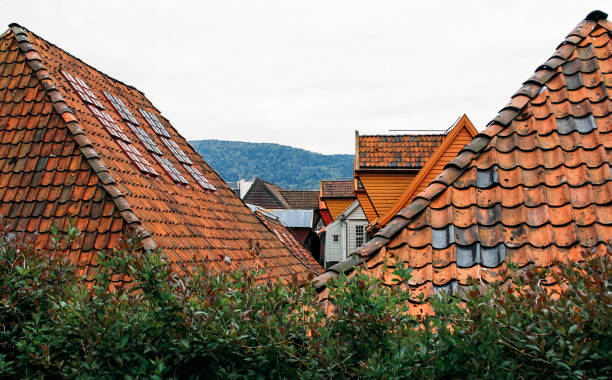
Terracotta tile roofs are practically synonymous with Mediterranean and Spanish revival architecture. Their warm reddish tone and gentle curves pair beautifully with stucco exteriors and arched windows. Beyond looking the part these tiles hold up remarkably well in hot sunny climates since they reflect heat rather than absorbing it the way darker asphalt shingles often do. Swap in a steep dark gray roof on a Spanish style home and the entire aesthetic collapses instantly.
What Should Homeowners With Farmhouse Style Homes Consider?
Modern farmhouse design has surged in popularity and it typically calls for a simple steep gable roof often finished in matte black or dark gray metal panels. This creates strong visual contrast against the classic white or light colored siding farmhouse homes tend to favor. Standing seam metal roofing has become something of a signature choice here thanks to its clean vertical lines and durable low maintenance nature.
How Can a Local Roofing St John’s Wood Team Help You Decide?
Picking the right style involves more than personal taste. Local building codes historic district restrictions and neighborhood character all play a role in what actually works for a given property. A knowledgeable Roofing St John’s Wood team understands these local nuances and can steer homeowners away from choices that clash with surrounding architecture or violate preservation guidelines. Their experience with the area means recommendations come grounded in what actually performs well nearby rather than generic advice pulled from anywhere.
Does Roof Color Play as Big a Role as Roof Shape?
Absolutely and it often gets overlooked. A perfectly shaped roof in the wrong color can still throw off a home’s balance. Lighter colors suit warmer climates since they reflect sunlight and reduce cooling costs. Darker tones fit cooler regions where absorbing heat actually helps during long winters. Beyond climate the color needs to complement brick siding and trim rather than clash against them. A rich brown roof against gray stone often looks intentional while a bright blue roof against the same stone looks accidental.
Can Mixing Roofing Styles Ever Work on One Home?
Sometimes yes though it takes a careful hand to pull off. Additions built decades after the original structure sometimes introduce a slightly different roofline out of necessity. Skilled design work can blend these transitions using matching materials or a subtle color shift that ties the old and new sections together. Left unaddressed though a mismatched addition roof tends to stick out like an obvious afterthought rather than a natural extension of the home.
How Does Climate Influence the Right Roofing Choice?
Architecture sets the starting point but climate often has final say. Homes in snowy regions benefit from steeper pitches regardless of style preference since snow slides off more easily and reduces structural strain. Coastal homes facing salt air and strong wind often need roofing rated for that exposure no matter how the roofline looks. A trusted Roofing St John’s Wood provider factors climate into every recommendation ensuring the final choice looks right and performs well through every season the area throws at it.
Why Does Getting This Match Right Matter for Resale?
Buyers form an impression the second they pull into the driveway and a mismatched roof can quietly undercut that first look before anyone steps inside. A roof that complements the home’s architecture signals thoughtful ownership and care throughout the years. Real estate agents often point to roofing as one of the exterior details buyers notice without realizing exactly why a house feels right or slightly off. Getting this pairing correct protects both curb appeal and long term value.
Final Thoughts
Roofing does more than keep rain out. It finishes the story a home’s architecture starts telling from the street. Colonial homes want steep traditional lines. Modern builds want clean minimal shapes. Spanish style homes want warm terracotta curves. Getting this pairing wrong creates a visual disconnect that lingers no matter how nice the rest of the house looks. Bringing in an experienced Roofing St John’s Wood team ensures the roof overhead matches both the character of the home and the practical demands of the local climate for years to come.
FAQS
Can I change my roof style without touching the rest of my home’s exterior?
Yes though it works best when the new roof still respects the general architectural style so the exterior continues to feel unified.
Are metal roofs suitable for traditional style homes?
They can work in certain cases especially standing seam styles but they generally suit modern or farmhouse designs better than ornate traditional architecture.
Does roof pitch affect energy efficiency?
Yes. Steeper pitches often ventilate better and shed snow more effectively while lower pitches can trap heat differently depending on insulation quality.
How do I know if my neighborhood has restrictions on roofing style?
Checking with your local council or homeowners association before starting any project helps avoid conflicts with historic district or community guidelines.
Is terracotta tile a good choice outside of warm climates?
It generally performs best in warm sunny regions and can struggle with cracking in areas that experience frequent freezing temperatures.