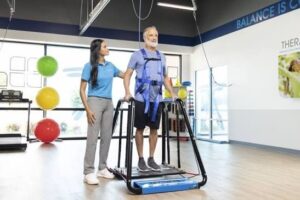
Pelvic floor concerns can affect daily comfort, movement, bladder and bowel function, and overall quality of life. The pelvic floor is a group of muscles and supportive tissues that contributes to bladder and bowel control, core stability, and other important body functions. When these muscles become weak, overly tense, painful, or poorly coordinated, physical therapy may be part of an individual’s care plan.
At Sams Physical Therapy, treatment can be tailored to each person’s symptoms, physical needs, and functional goals. Pelvic Floor Physical Therapy may address muscle coordination, strength, flexibility, movement patterns, and other factors that can contribute to pelvic health concerns.
Understanding the Pelvic Floor
The pelvic floor supports important structures within the pelvis and plays a role in several everyday functions. These muscles need to contract and relax appropriately depending on the activity, such as using the restroom, exercising, lifting, or maintaining posture.
Pelvic floor dysfunction can involve muscles that are weak, excessively tight, or not coordinating effectively. Because symptoms and contributing factors can vary, an individualized assessment is important before developing a rehabilitation program.
What Is Pelvic Floor Physical Therapy?
Pelvic Floor Physical Therapy is a specialized area of rehabilitation focused on pelvic and abdominal health. A trained physical therapist may evaluate muscle function, movement patterns, strength, coordination, and other factors relevant to the patient’s concerns.
Treatment is not limited to strengthening exercises. Depending on the individual’s needs, therapy may include education, mobility activities, relaxation techniques, strengthening, coordination training, functional exercises, and appropriate hands-on treatment.
Common Concerns Addressed With Pelvic Therapy
Pelvic health concerns can affect people of different ages and genders. Individuals may seek rehabilitation for urinary or bowel symptoms, pelvic discomfort, pregnancy-related changes, postpartum recovery, or other conditions involving pelvic function.
Some concerns that may be addressed include:
- Urinary leakage or difficulty controlling the bladder
- Bowel control concerns
- Pelvic or lower abdominal discomfort
- Pregnancy and postpartum-related symptoms
- Pelvic muscle weakness or tension
- Recovery following certain pelvic procedures
The appropriate treatment depends on the underlying condition and the findings of a professional evaluation. Pelvic health physical therapists work with a broad range of pelvic and abdominal conditions across the lifespan.
Improving Pelvic Muscle Coordination
Pelvic floor muscles need both strength and control. Simply making the muscles stronger may not address every pelvic health concern, particularly when muscles are already tense or when relaxation and coordination are limited.
A physical therapist can help patients understand how these muscles should work during different activities. Exercises may focus on contracting, relaxing, coordinating, and controlling the pelvic floor according to the individual’s needs.
Supporting Bladder Control
Bladder control problems can affect confidence and make people change their daily routines. Activities such as coughing, sneezing, exercising, lifting, or suddenly needing to use the restroom may become challenging for some individuals.
Pelvic health rehabilitation can address relevant muscle function and movement strategies. Evidence-based physical therapy approaches are used for certain urinary conditions, with treatment selected according to the specific symptoms and diagnosis.
Addressing Bowel Function
Pelvic floor muscles also contribute to bowel control and coordination. Difficulty relaxing or coordinating these muscles may be associated with certain bowel-related concerns.
Physical therapy can include education about movement, muscle coordination, and appropriate exercises when these factors are relevant. A therapist may also work with other healthcare providers when symptoms require broader medical evaluation or management.
Pelvic Floor Physical Therapy During Pregnancy
Pregnancy can create significant changes in the body, including increased demands on the pelvic floor and surrounding muscles. Some individuals experience pelvic discomfort, changes in movement, or other musculoskeletal concerns during pregnancy.
Pelvic Floor Physical Therapy may provide individualized strategies for appropriate patients during pregnancy. Treatment can focus on movement, strength, comfort, posture, and functional activities while taking the stage of pregnancy and medical guidance into account.
Postpartum Rehabilitation
After childbirth, the body may need time and appropriate rehabilitation to regain strength and coordination. Pregnancy and delivery can affect the pelvic floor, abdominal muscles, posture, and overall movement patterns.
A personalized rehabilitation program can address individual postpartum needs. Depending on the person’s condition, therapy may include strengthening, mobility work, core exercises, movement education, and gradual return to physical activities.
Managing Pelvic Pain
Pelvic pain can have different causes and may involve muscles, joints, nerves, connective tissues, or other medical factors. When musculoskeletal contributors are identified, physical therapy may be incorporated into a broader treatment approach.
Treatment may focus on reducing unnecessary muscle tension, improving mobility, developing better movement control, and gradually returning to comfortable activities. The specific techniques should be determined through an individualized evaluation rather than assuming that strengthening alone is appropriate.
Improving Core Stability
The pelvic floor works as part of a larger system involving the abdominal and back muscles and breathing mechanics. Coordination between these areas can contribute to overall trunk stability during movement.
Physical therapy may incorporate exercises that connect pelvic floor function with broader body movement. This can help patients practice appropriate muscle control during activities such as lifting, walking, exercising, or changing positions.
What Pelvic Floor Physical Therapy May Include
The treatment approach depends on the patient’s symptoms, medical history, goals, and evaluation findings. A pelvic health physical therapist may use different strategies to address strength, mobility, coordination, pain, and functional limitations.
A rehabilitation program may include:
- Pelvic floor muscle training
- Relaxation and coordination exercises
- Core and hip strengthening
- Mobility and flexibility activities
- Breathing and movement education
- Functional activity training
- Appropriate manual therapy
- Home exercises and self-management strategies
Not every patient requires the same treatment. A personalized plan allows therapy to focus on the specific physical factors affecting an individual’s daily function.
Education and Home Exercise
Education is an important part of pelvic rehabilitation. Understanding how the pelvic floor works can help patients recognize movement patterns and habits that may influence their symptoms.
A therapist may provide exercises to perform between appointments. Consistent practice can support progress, but exercises should be appropriate for the individual’s condition. For example, strengthening exercises may not be suitable as the primary approach for someone whose pelvic muscles are excessively tight.
Personalized Care at Sams Physical Therapy
Pelvic health concerns can be sensitive and highly individual. Patients may have different symptoms, activity requirements, medical histories, and personal goals. A respectful and individualized approach can make rehabilitation more comfortable and practical.
At Sams Physical Therapy, treatment can be structured around the patient’s functional needs. Pelvic Floor Physical Therapy may be adjusted as strength, mobility, coordination, and comfort change throughout the rehabilitation process.
Who May Benefit From Pelvic Floor Therapy?
Pelvic floor rehabilitation is not limited to one age group or one type of patient. Pelvic health physical therapists may treat women, men, and people across different stages of life for a wide variety of pelvic and abdominal conditions.
People experiencing changes in bladder or bowel control, pelvic pain, pregnancy-related discomfort, postpartum concerns, or certain post-surgical issues may benefit from discussing pelvic health rehabilitation with an appropriate healthcare professional.
Recovery After Pelvic Procedures
Certain pelvic or abdominal procedures may be followed by physical therapy as part of the recovery process. Rehabilitation can focus on restoring mobility, managing appropriate physical limitations, improving strength, and returning to everyday activities.
The timing and type of therapy depend on the procedure and the patient’s medical instructions. Coordination with the treating medical team is important when rehabilitation follows surgery or another significant medical intervention.
Building Confidence in Daily Activities
Pelvic health symptoms can sometimes cause individuals to avoid exercise, lifting, social activities, or other routines. Rehabilitation can help patients understand their physical limitations and gradually practice appropriate movements.
Functional training can be connected to activities that matter to the patient. Whether the goal is returning to exercise, improving daily mobility, managing household tasks, or feeling more comfortable during physical activity, treatment can be adapted around meaningful objectives.
Choosing Pelvic Floor Physical Therapy
Choosing a provider for pelvic health concerns involves finding care that matches the individual’s needs and condition. A thorough evaluation can help determine whether physical therapy is appropriate and which areas should receive attention.
It is also important to seek medical evaluation when symptoms are new, unexplained, severe, or changing. Pelvic health problems can have multiple causes, and physical therapy may be one part of a larger healthcare plan.
Supporting Long-Term Pelvic Health
Pelvic health is an ongoing part of overall physical function. Appropriate movement, strength, coordination, and body awareness can support daily activities throughout different stages of life.
Patients can learn strategies that may become part of their regular wellness routine. Maintaining appropriate exercises and movement habits after rehabilitation may help support the physical improvements developed during therapy.
Conclusion
Pelvic Floor Physical Therapy can provide individualized rehabilitation for people experiencing pelvic floor weakness, muscle tension, coordination difficulties, urinary or bowel concerns, pregnancy-related changes, postpartum symptoms, and other pelvic health conditions. Treatment can include strengthening, relaxation, mobility, coordination, education, and functional movement based on individual needs.
At Sams Physical Therapy, rehabilitation can be designed around each patient’s symptoms, physical abilities, and personal goals. With an appropriate evaluation and personalized treatment plan, patients can work toward improved pelvic function, movement, and confidence in everyday activities.