Introduction
When you look at massive oil refineries, it is easy to focus on the gigantic storage tanks, roaring furnaces, and endless maze of pipelines. However, behind the scenes, these industrial giants generate huge amounts of heavily contaminated wastewater every single day. Processing crude oil consumes immense volumes of water, turning pristine liquid into a complex mix of oils, toxic chemicals, and harsh pollutants. Dealing with this dirty water is one of the toughest challenges a refinery faces, which is precisely why an SBR Wastewater Treatment System has become an absolute necessity for modern operations. By replacing outdated, space-heavy treatment methods with a smarter, step-by-step biological process, an SBR Wastewater Treatment System gives plant operators the control they need to turn toxic byproduct water back into something safe for the environment.
To really understand why this setup is such a game-changer, it helps to break down what actually happens inside a refinery. Water touches almost every step of the crude oil refining process, serving as steam for heating, coolant for hot equipment, and a washing agent to remove salts from raw petroleum. By the time that water exits the production line, it is packed with dissolved hydrocarbons, heavy metals, phenols, and sticky sludge. If a plant releases this untreated slurry back into rivers or local sewage networks, the environmental damage is immediate and catastrophic. Traditional treatment methods used to require a massive footprint with multiple massive settling tanks, complex piping networks, and non-stop chemical dosing. Today, facility managers need a compact, reliable, and adaptable solution that can handle unpredictable waves of toxic wastewater without taking up acres of valuable land.
How the Sequence Batch Reactor System Works in Industrial Environments
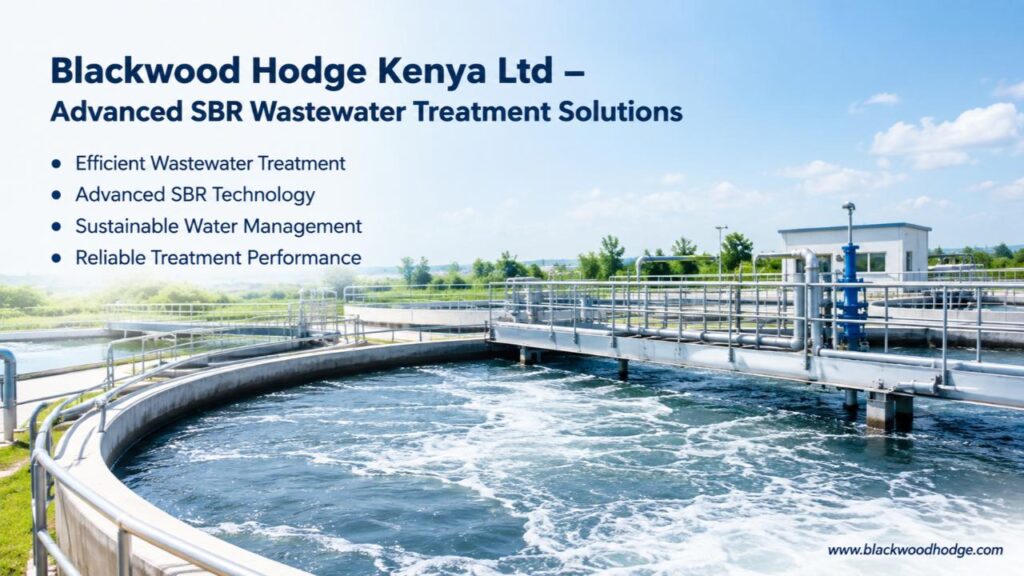
At its core, a sequencing batch reactor handles wastewater using a clever, timed approach rather than a continuous flow. Instead of pumping water through a long series of separate basins, everything happens inside a single, highly controlled tank over a repeating cycle of distinct phases. Think of it like washing a load of laundry in a single washing machine, where each stage happens sequentially in the same drum.
Here is a quick look at how a typical operational batch unfolds:
-
Fill Phase: Raw wastewater enters the reactor tank, mixing directly with existing beneficial bacteria and active microorganisms.
-
Reactivity & Aeration Phase: Air pumps kick on, blasting oxygen through the mixture so the hungry bacteria can rapidly break down complex organic pollutants and toxic chemicals.
-
Settling Phase: The air turns off, creating a completely calm environment where solid waste and heavy bio-sludge naturally sink to the bottom.
-
Decant Phase: Crystal-clear, purified water is skimmed right off the top and routed out of the system.
-
Idle Phase: The remaining sludge is conditioned or partially removed, prepping the active bacteria for the next incoming batch.
Because every single step takes place in one container, refinery engineers gain total control over how long each stage lasts. If a sudden surge of heavily polluted water enters the plant, operators can simply extend the aeration time to make sure the bacteria finish their job before moving to the settling phase.
Unmatched Flexibility for Handling High Chemical Fluctuations
Crude oil processing is rarely steady or predictable. On any given day, a refinery might switch to a different grade of crude oil, shut down a boiler unit for maintenance, or flush out a processing line. These sudden operational shifts cause dramatic spikes in water toxicity, pH levels, and chemical concentrations. Standard continuous treatment systems struggle with these abrupt changes because toxic spikes often wash straight through the basin before the system can adjust, killing off the helpful bacteria and ruining the purification process.
A batch-based biological process acts as its own natural buffer zone. Because incoming wastewater is collected and treated in distinct packages, the system holds the water until the bio-breakdown is completely finished. The active bacteria get the precise amount of time and oxygen required to neutralize tough pollutants like ammonia, nitrates, and dissolved organics. This incredible adaptability ensures the refinery remains fully compliant with strict environmental laws, regardless of how drastically the incoming waste stream changes hour by hour.
Massive Savings on Physical Footprint and Operational Expenses
Space inside an active refinery comes at a high premium, and every square meter taken up by utility infrastructure is space that cannot be used for production. Traditional biological treatment plants require dedicated primary clarifiers, secondary settling tanks, continuous aeration basins, and extensive return sludge pumping stations. Connecting all these components requires miles of pipework, complex pumping assemblies, and continuous energy consumption.
By consolidating aeration, biological reaction, and liquid-solid separation into one modular tank, refineries eliminate the need for secondary clarifiers and heavy return pumps. Fewer tanks mean significantly lower upfront construction costs, reduced maintenance demands, and far less electricity wasted on running unnecessary machinery continuously. The streamlined design drastically reduces mechanical wear and tear, allowing maintenance crews to spend less time repairing broken parts and more time optimizing overall plant efficiency.
Conclusion
Managing refinery wastewater will always be a critical and high-stakes responsibility, but it does not have to be an expensive logistical nightmare. Adopting batch-based biological treatment allows oil processing facilities to clean their water thoroughly, adapt to unpredictable toxic loads, and save massive amounts of physical space and operational costs. Protecting local ecosystems while keeping industrial operations running smoothly requires robust engineering, reliable components, and dependable equipment partners. Companies looking to build resilient, top-tier industrial infrastructure can rely on trusted equipment providers like Blackwood Hodge Kenya Ltd to source the durable machinery, heavy systems, and engineering support needed to keep modern facilities running responsibly and efficiently for years to come.