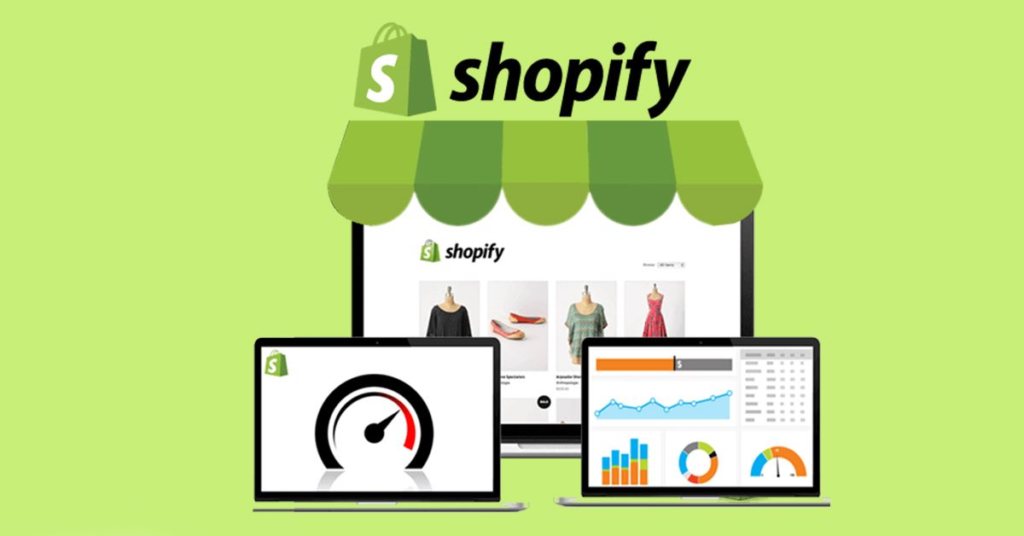
Shopify Plus design for better conversions
This is evolving fast onEcommerce and consumers are now assessing their brand experience not by brand image/cost alone but by speed, Personalization, visuals and smoothness; these are some of the new criteria customers consider and keep them hooked. This is not only about a design refresh for the site that caters the high volume enterprise level on the shopify plus level, but it has become a fundamental design strategy for conversion rates, average order values andlifetime customer value scale. So it becomes very crucial for every brand and business in order to be one step ahead from competition.
Enterprise level brands should adopt a practice of Moving away from monolithic design and approach towards customization of user flow with the help of specialized skill.
Collaborating with a renowned shopify plus design agency provides companies the opportunity to apply new and state of the art technology for unique and visually appealing storefronts for the rising enterprise level on shopify plus.
In this guide, we will break down the top Shopify Plus design trends currently driving conversion and revenue, explore how to execute them, and weigh the pros and cons of these modern strategies.
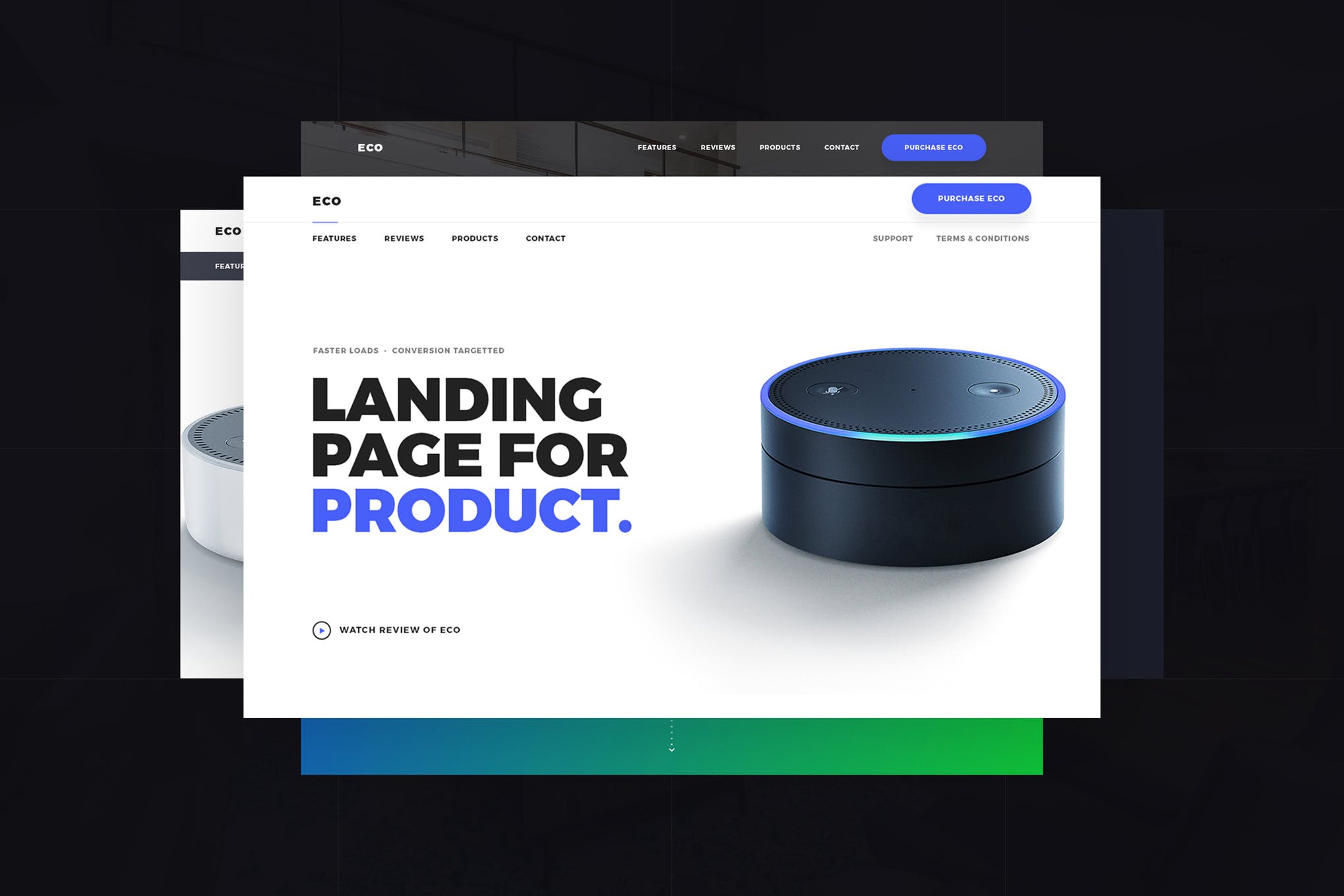
1. Landing Page-Style Product Detail Pages (PDPs)
The standard product detail page—featuring a static image gallery on the left and a description box with a purchase button on the right—is rapidly losing its effectiveness for complex or premium products.
Modern Shopify Plus stores are not using PDPs simply to inform; they are building long-form, fully immersive experiences around products. Instead of forcing guests into new browser tabs and separate blog pages, interactive PDPs are featuring… Dynamic Media & Spatial Modules: High-resolution lifestyle videos, interactive 3D models, and AR try-on features in the hero; Sticky Add-to-Cart bars: Staying visible as users scroll through storytelling, reviews, and product features; Social proof integrated into the flow: UGC, video testimonials, and star ratings interwoven instead of appended to the bottom. Such immersive designs show that it’s possible to equip customers with all they need for an informed purchase decision while keeping them on page.
2. Ultra-personalizable “Storefronts for One.”
Gone are generic homepages and static product recommendations; through personalization tools, Shopify Plus merchants can serve individual users unique experiences on the fly based on data such as location, past purchases or acquisition channel. A returning customer might land to see relevant product bundles, a locally relevant message, and a personal upsell, among other highly targeted items. Working with special teams and observing industry leaders like the top marketing agency websites, you will find that hyper-relevant user experiences result in increased conversion rates, more engaged sessions, and more frequent repeat purchases-far more so than any generic, pre-designed solution.
3. Highly converting Checkout Extensibility.
With legacy checkout pages phased out, Shopify Checkout Extensibility has become the focus of the enterprise web-design process. Shopify Plus stores are no longer limited to standard checkout features but can develop entirely branded, highly functional checkouts via UI extensions. These trending features within the checkout process are…
In-Checkout upsells: presenting personalized accessories, extended warranties, or sped-up shipping, and many more add-on items, directly within the order summary panel. Custom trust badges & policies: key security features, delivery guarantees and return policies are strategically placed in proximity to customer decision-making points. Flexible B2B and retail rules: custom rules in field validation and address forms as well as customizable payment terms depending on tags applied to users.
4. Quiet Luxury/Minimalist UX.
Aligning with a global aesthetic, the enterprise web design now uses a clean, uncluttered framework devoid of superfluous distractions. Known in the design sphere as Luxury Minimalism, this design approach completely eliminates visual noise, non-essential navigation elements, and obtrusive pop-ups in favor of a laser-like focus on the product itself. Typical visual elements used in this high-end design model are negative spacing, refined typography, fluid and subtle animations used upon scrolling, and dark mode options for even greater prestige. An efficient design frees customers to appreciate an experience that immediately establishes brand authority.
- 5. Mobile Native design/Slide– Out Cart Drawers. Mobile transactions now consist of over 70% of total e-commerce visits and this requires mobile-first design practices that cater to the user by designing to thumb-accessibility.
- This involves… Slide-out cart drawers: These offer additional functionality directly in the customer experience unlike being taken away from the product itself. Some examples are: tiered reward unlocking at certain monetary thresholds, free shipping progressive displays, cross-sell options for expedited checkouts, among many more.
- App-like navigation: Mobile sites are using bottom-fixed navigation bars to offer easy thumb-accessibility, making the site flow as naturally as an app and also sliding category blocks and instant visual search functionality.
Pros & Cons of Modern Shopify Plus Design Strategies
While implementing advanced design systems has high commercial value, it is still important for enterprise brands to consider the technical requirements.
Pros
- Increased Conversion Rates-By removing friction in navigation, personalizing user experience, and optimizing checkout journeys, Cart Abandonment Rates will be decreased.
- Authority-Clean, custom UI/UX enhances brand authority and enables merchants to take advantage of premium price points.
- Increase in Average Order Value (AOV) – Intelligent upsells in checkout and dynamic slide-out cart bundles allow increasing basket sizes, seamlessly.
- Improved Mobile Engagement – In-platform, app-like mobile features decrease drop-offs from mobile-first users.
Cons
- Increased Upfront Costs-Developing custom UI components, animations scripts, and Checkout Extensibility workflows, you’ll have higher upfront costs for your design & development needs.
- Constant testing and management-Dynamic pages require the constant management, heat map analysis and tracking. This is to reduce user errors and confusion.
Answers to the FAQs
How does a dedicated Shopify Plus agency aid with design trends?
Specialized agency partners boast profound expertise in Shopify’s most current APIs, theming frameworks, and design patterns. They can ensure that the custom designs you implement will have no detrimental effect on site load speed and the core functionality of your store.
What doesCheckout Extensibility mean in terms of website performance?
Checkout Extensibility is built on top of an up-to-date, contained technology framework. This means custom app configurations download faster, are more secure and integrate properly with new version roll-outs of your platform without overriding old code.
Key Takeaways-
It’s imperative to embrace innovative Shopify Plus design patterns to maintain long-term expansion. By switching from stationary product pages to land-page like PDPs, personalizing the customer experience through content, making navigation on the move intuitive, and customizing theCheckout flows, enterprise-level merchants are guaranteed a superior and high-converting customer experience. Partnering with established professionals for design and a technical team ensures that your store will handle scaling well for future needs.