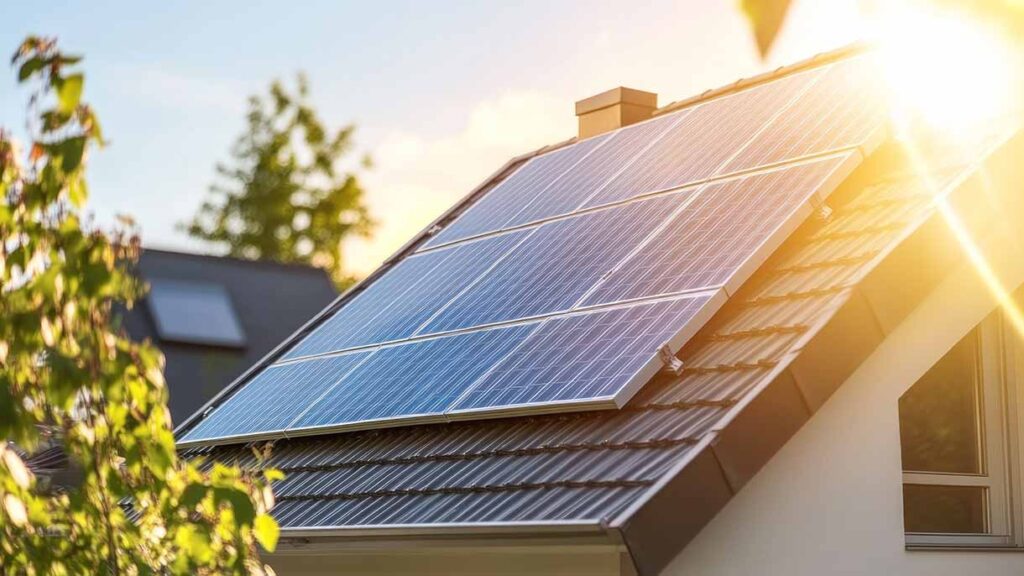
The Solar Panel 585 Watt Price in Pakistan Today has quietly become the standard module size in Pakistan’s solar market in 2026. It fits the 60-cell and 72-cell rooftop layouts most homes were already built for, generates enough power that you need fewer panels overall, and every major brand now manufactures a version of it — which has pushed pricing into a genuinely competitive range. If you’re planning a new system or replacing older panels, here’s what you actually need to know before you buy.
Current Price Range (August 2026)
Prices move daily with the USD/PKR exchange rate and import duties, so treat any number as a snapshot rather than a fixed rate. As of mid-to-late August 2026, per-watt rates for A-grade, Tier-1 585W panels generally fall between Rs. 40 and Rs. 45 per watt, which puts a single panel somewhere in the Rs. 21,000 to Rs. 27,000 range depending on brand and technology.
Here’s roughly how the major brands compare per panel:
- Jinko Solar (585W N-Type Bifacial): around Rs. 42–43.5/watt, putting a single panel near Rs. 25,000–25,500. Jinko’s Tiger Neo series is one of the most searched options in the country right now, prized for efficiency and cold-weather performance.
- Canadian Solar (585W N-Type TopCon): around Rs. 37–42/watt, with panels typically landing between Rs. 21,600 and Rs. 26,900. This is often the best value pick for most rooftops.
- LONGi (Hi-MO 6/7, 585W): pricing here varies more than any other brand depending on the source and dealer — some list panels around Rs. 21,000–24,000, while premium Hi-MO 7 back-contact models can run considerably higher. Confirm the exact model before comparing, since “LONGi” alone doesn’t tell you which series you’re pricing.
- JA Solar and Trina: generally priced close to Canadian Solar and Jinko, in the low-to-mid Rs. 40s per watt for documented A-grade panels.
Because listed prices differ noticeably between retailers — sometimes by several thousand rupees for what’s marketed as the same panel — always confirm today’s rate directly with a dealer via phone or WhatsApp before finalizing a purchase.
What Actually Moves the Price
A few factors explain why one seller’s “585W panel” costs meaningfully more than another’s:
Cell technology. N-Type TOPCon and bifacial panels cost more than standard mono-PERC panels but deliver higher efficiency (often 21–23%) and slower degradation over 25 years.
A-Grade vs. B-Grade. A-Grade panels are defect-free and deliver their full rated output; B-Grade panels have failed some quality checks and sell cheaper but with real performance trade-offs. For a system you’re expecting to run for two decades, A-Grade is worth the premium.
Tier-1 manufacturing. Tier-1 simply means the brand is a well-capitalized, established manufacturer that builds its own components rather than assembling from unbranded parts. It’s a reasonable proxy for reliability and warranty support.
Documentation. Panels imported and sold with proper manufacturer documentation (needed for AEDB net-metering approval) tend to cost more than undocumented stock, but they’re required if you plan to sell surplus power back to the grid.
City and dealer. Prices shift slightly between Lahore, Karachi, and Islamabad due to transport costs and local dealer margins.
Must Visit here for more details: https://alahdeen.com/
What You Get for the Money
A single 585W panel typically produces around 2.3 to 2.8 units (kWh) per day under normal Pakistani sunlight conditions, or roughly 70–85 units a month. For a standard 5kW residential system, that generally works out to 8–9 panels of this size — fewer than you’d need with older 400–450W panels, which cuts down on mounting hardware and roof space.
With current net-metering rates letting households sell surplus electricity back to WAPDA at roughly Rs. 19–21 per unit, many buyers are seeing payback periods shrink to two or three years, faster than older panel generations offered.
Before You Buy: A Quick Checklist
- Get today’s rate, not last week’s. Ask your dealer to confirm the current per-watt price — this market moves daily.
- Verify authenticity. Most brands, including Jinko, let you check a panel’s serial number or QR code against an official verification portal.
- Confirm A-Grade and Tier-1 status in writing, not just verbally.
- Ask about warranty terms — most legitimate 585W panels carry 25-year performance warranties, but coverage details vary by importer.
- Factor in the full system cost. The panel price is only part of the picture; inverter, mounting structure, wiring, and installation typically cost as much as or more than the panels themselves.
The Bottom Line
At Rs. 40–45 per watt, 585W panels currently offer one of the best price-to-output ratios available in Pakistan’s solar market, whether you go with Jinko, Canadian Solar, LONGi, JA, or Trina. The bigger risk isn’t overpaying for wattage — it’s buying undocumented or B-grade stock that looks like a bargain today and costs more in lost output over the next 20 years. Get a same-day quote from a couple of dealers, confirm documentation, and you’ll be in solid shape either way.