Where Spiral Designs Actually Earn Their Reputation
If you’ve dealt with fouling services long enough, you already know where spiral heat exchangers tend to show up. Not in the clean, easy systems—those are handled just fine by plate and frame or shell and tube units. Spiral designs come into play when fluids don’t behave nicely.
And that’s most real processes, eventually.
What Makes a Spiral Unit Different
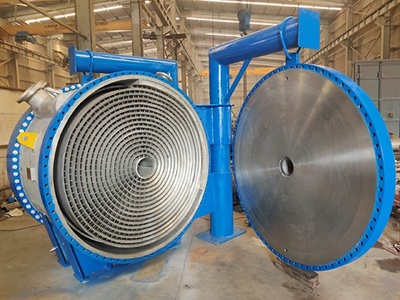
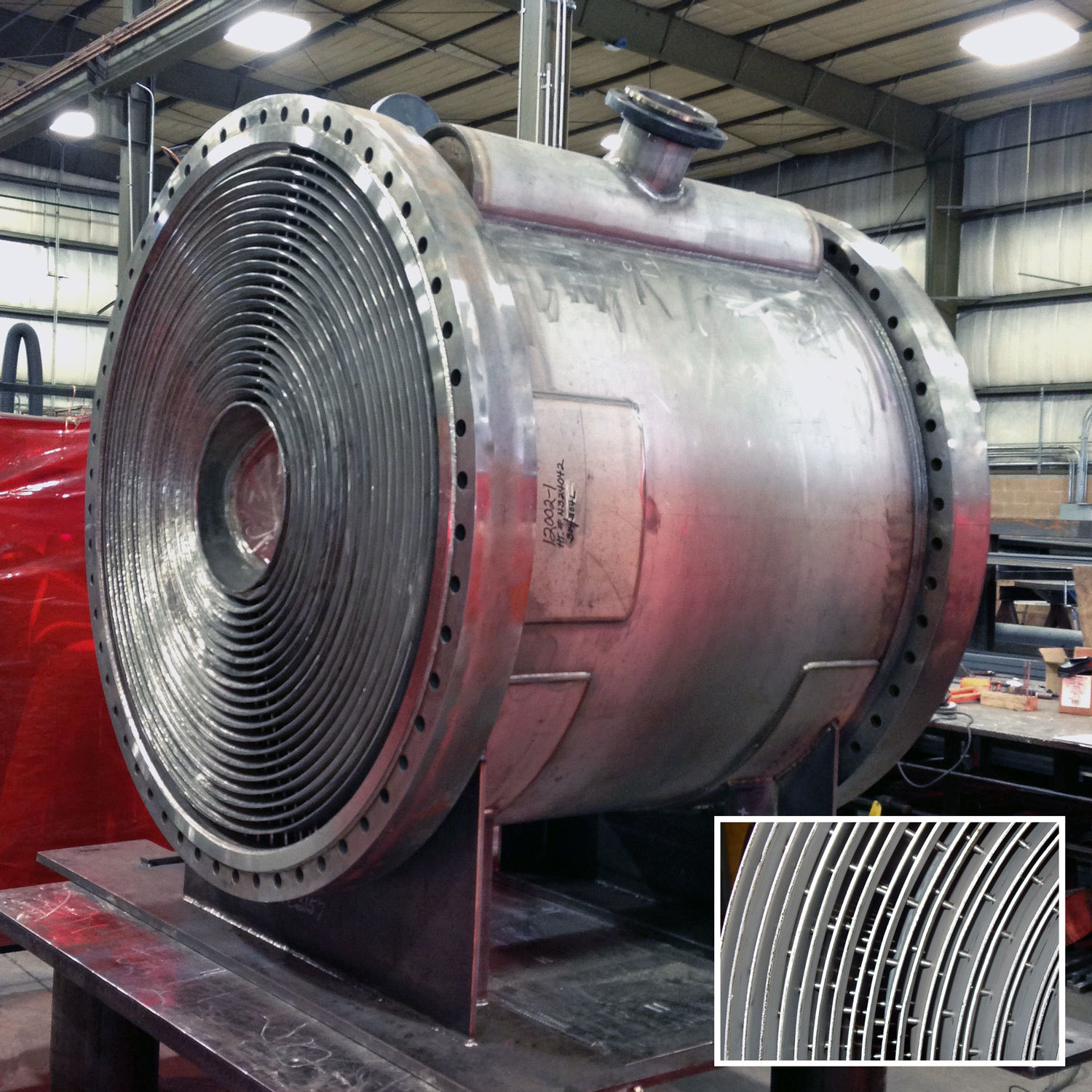
Instead of straight tubes or stacked plates, you’re looking at two channels wound into a spiral path. One fluid goes one way, the other flows counter-current in the adjacent channel. That geometry forces continuous turbulence, even at lower velocities.
It’s simple, but it changes everything.
Why Fouling Doesn’t Hit Them the Same Way
Here’s the thing—most exchangers lose efficiency because buildup starts and stays. In a spiral, the flow pattern tends to scrub the surface as it moves. Solids don’t settle as easily, and when they try, velocity picks them back up.
That’s a big deal in dirty service.
Where Houston Plants See the Difference
In refinery slop systems, wastewater treatment loops, or heavy hydrocarbon services, fouling isn’t a possibility—it’s a guarantee. Heat exchangers Houston facilities rely on have to deal with that reality daily. Spiral units don’t eliminate fouling, but they slow it down and make it manageable.
That buys you time.
But They’re Not Plug-and-Play Solutions
You don’t just swap in a spiral and call it done. Channel sizing, pressure drop, access for cleaning—all of it has to line up with your process. And if it doesn’t, you’ll end up with performance that looks good on paper but doesn’t hold in operation.
Maintenance Looks Different Here
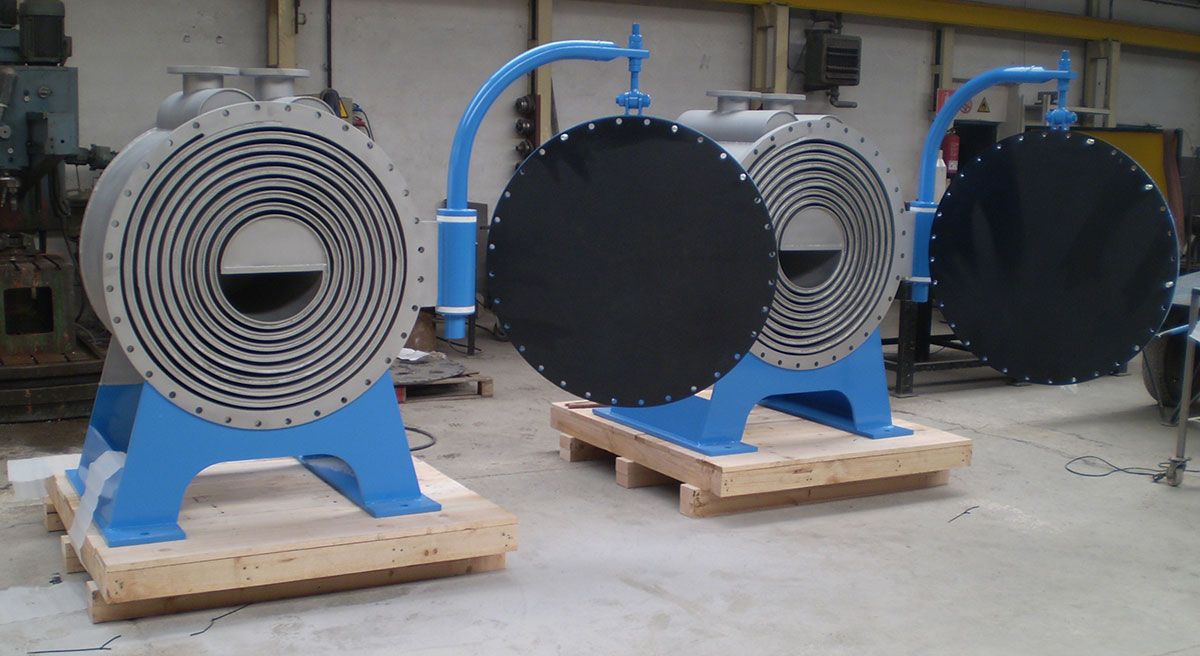
Unlike shell and tube heat exchangers, where you’re pulling bundles, spiral units are typically accessed through covers. Cleaning can be faster in the right setup, but only if you planned for it upfront. Most distributors won’t tell you that part until it’s too late.
And That’s Where Mistakes Get Expensive
Usually during downtime you didn’t schedule.
When Standard Units Don’t Fit the Reality
There are situations where off-the-shelf spiral units don’t quite match what you’re dealing with—maybe solids loading is higher than expected, or temperature profiles don’t behave consistently. That’s when a custom heat exchanger approach makes more sense than forcing a near match into service (and no, that’s not something you want to discover after commissioning).
Availability Is Always the Hidden Constraint
You can spec the right design, get approvals, line everything up—and then hit a wall on delivery. That’s where a lot of projects stall. A typical heat exchanger distributor Houston plants deal with might quote you months out because they’re not holding inventory.
And that’s the difference most people don’t see coming.
Why Kinetic’s Approach Still Works
Kinetic Engineering Corporation has been operating out of Houston since 1969, and that longevity isn’t just a number—it’s relationships, inventory decisions, and knowing what Gulf Coast plants actually need before they ask. They stock a full range of Houston heat exchangers, from plate and frame heat exchangers to air cooled heat exchangers and spiral units.
That stocking model changes timelines.
When Equipment Failure Isn’t Theoretical
You’ve got a unit down, production backing up, and management asking for answers. Waiting on fabrication isn’t an option. Kinetic’s position as one of the largest stocking distributors in the country means they can move equipment when others are still quoting lead times.
So what matters more—perfect specs on paper, or equipment you can actually get?
Getting Spiral Applications Right the First Time
Choosing spiral heat exchangers over other designs isn’t about preference. It’s about whether your process conditions demand something that handles fouling, uneven flow, and real-world variability without constant intervention. Kinetic Engineering Corporation brings over 55 years of experience in process equipment Houston facilities depend on, along with the inventory to back it up. If you need equipment that performs in actual plant conditions—and shows up when you need it—they’re the call to make.
FAQ
Where are spiral heat exchangers most commonly used?
In fouling or dirty services like wastewater, slurries, and heavy hydrocarbon processing.
Are they better than shell and tube exchangers?
In fouling applications, often yes. In clean services, not necessarily.
How difficult are they to maintain?
Maintenance is different, not harder—access and cleaning depend on design.
Do spiral exchangers take up more space?
They can be compact for their duty, but layout depends on installation requirements.