Moisture and oil mist wreck regular dust collector filters. Cellulose blends load up quick, pressure drop climbs, and you’re swapping them sooner than you planned. Spunbond polyester holds up better in that mess. Shops dealing with machining mist, humid air, or sticky dust already figured this out. Cartridges cost a little more up front but last longer and keep the airflow steadier. Here’s the practical take.
Why Moisture and Oil Mist Beat Up Filters
Water or oil in the airstream turns dry dust into paste. Packs into the media and the pulse cleaning can’t knock it loose. Pressure drop goes up, fan works harder, power bill climbs. Standard cellulose-poly mixes soak up moisture and get weak. Spunbond polyester is continuous filament, tighter, more resistant. Sheds moisture better and doesn’t break down the same. For cutting fluid mist or high humidity that difference shows in the changeout schedule.
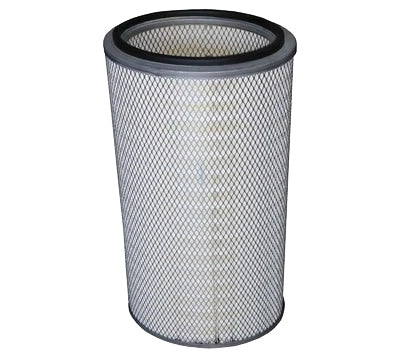
How Spunbond Polyester Is Built Different
Media comes from continuous polyester filaments bonded together. No short fibers that pull loose or suck up water easy. Surface is smoother so the dust cake releases cleaner during pulse cycles. Temperature rating usually sits higher than basic cellulose too. Efficiency stays solid on fine particles when the media is calendared or treated right. Not every spunbond is the same. Check the basis weight and any surface treatments. Cheap ones can still blind early if the construction is light.
Real Performance in Wet or Oily Air
In shops with oil mist from CNC or grinding the polyester cartridges hold lower pressure drop longer. Pulse cleaning works better because the cake doesn’t glue itself to the media. Airflow stays closer to what the system was designed for. Dust collector filter life can stretch 30 to 50 percent or more compared to cellulose in the same wet spot. Efficiency on fine mist particles is good when the media has the right finish. Some add nanofiber or PTFE for the stickier loads. Base spunbond already handles moderate moisture and oil better than the everyday mixes.
Value Across the Full Cycle
Up-front price is higher than basic cellulose. Over a year the longer life and steadier pressure drop usually win. Fewer changeouts mean less labor and less downtime. Fan energy stays lower because the system isn’t fighting a loaded filter. Plants that tracked the numbers after switching often stick with polyester for any area that sees moisture or mist. Value is in the total cost, not the single cartridge price. Bone-dry environment and the cheaper media can still make sense. Wet or oily air changes the math.
Where Bag Filters Still Show Up
Some systems use bags instead of cartridges. FSI bag filters and similar styles are common in older collectors or higher volume setups. Same media ideas apply. Spunbond polyester bags handle moisture and oil mist better than felt or cellulose versions. Cross-over happens a lot. Shops running both cartridge and bag collectors often standardize on polyester media where moisture is the issue. Same supplier can usually cover both. Keeps inventory simpler and performance more consistent across the floor.
Common Places These Get Used
Machining centers with coolant mist. Grinding that throws oily particles. Food or chemical processes with humid air. Any collector that sees seasonal humidity swings. Metalworking shops are the big users. Polyester cartridges also handle abrasion better than some lighter medias so they hold up when the dust has sharp edges. Temperature limits still matter. Check the rating against your process heat. Most spunbond options sit fine in the range common for industrial dust work.
What to Check Before Switching
Confirm the dimensions match your current cartridges. End caps, gaskets, overall length and diameter have to seat the same. Ask for the media specs—basis weight, any surface treatment, efficiency rating. Tell the supplier the dust type and whether oil mist or moisture is present. Good supplier will steer you away from polyester if your application is dry and the cheaper media will do fine. Track differential pressure after the change. That’s the real test of whether the new media is performing.
Mistakes That Kill the Advantage
Putting spunbond into a dry job where cellulose would last just as long and cost less. Ordering the lightest weight polyester and expecting it to handle heavy mist loads. Ignoring the cleaning system settings after the switch. Pulse pressure or cycle time sometimes needs a small tweak for the new media. Skipping the moisture diagnosis and just swapping media without fixing the source of the oil or water. The filter can only do so much if the airstream stays constantly wet.
Conclusion
Spunbond polyester dust collector filter cartridges handle moisture and oil mist better than standard cellulose blends. They resist loading, clean easier, and stretch the time between changeouts in wet or oily conditions. Up-front cost is higher but the full-cycle value usually comes out ahead when the environment is tough on filters. FSI bag filters and other bag styles can use the same media approach for systems that still run bags. Match the dimensions, confirm the media specs for your dust load, and track the pressure drop after you switch. That’s how you know the change was worth it instead of just hoping. Talk to a supplier who understands wet applications and can cross-reference your current filters accurate.
FAQs
Why pick spunbond polyester over cellulose for moist air?
It resists moisture better, sheds the dust cake cleaner, and holds lower pressure drop longer in wet or oily conditions.
Do these cartridges fit existing collectors?
Yes when the dimensions and end configurations match the original. Cross-reference the part number to be sure.
How much longer do they last with oil mist?
Many plants see 30 to 50 percent longer life or more compared to cellulose in the same misty environment. Actual number depends on the load.
Can the same media work in bag filters?
Yes. Spunbond polyester is used in FSI bag filters and similar bag styles for moisture and oil mist applications.
Is the higher price worth it?
In wet or oily air the longer life and steadier airflow usually make the total cost lower. In dry conditions the cheaper media may still win.
What should I tell the supplier when ordering?
Dust type, presence of moisture or oil mist, temperature, and the current filter part number or dimensions.