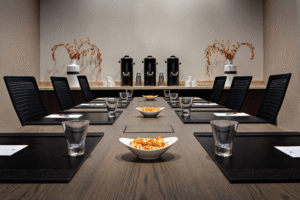
Modern workplaces depend on smooth meetings, timely communication, and efficient hospitality services. However, delayed refreshments, missed beverage requests, and manual ordering processes can interrupt meetings and create frustration for employees and guests. Businesses need a more organized way to manage refreshments without adding unnecessary work for office staff.
A Meeting Room Ordering System helps businesses simplify refreshment requests, coordinate service delivery, and improve meeting preparation. By replacing scattered communication with a structured digital process, organizations can reduce avoidable delays and create a more professional meeting experience.
Why Do Meeting Rooms Experience Refreshment Delays?
Refreshment delays often occur when employees rely on phone calls, messages, emails, or verbal instructions to request coffee, water, snacks, and other items. These requests can be overlooked, misunderstood, or delivered to the wrong room, especially when several meetings happen simultaneously.
Manual coordination also makes it difficult for hospitality teams to prioritize orders and monitor pending requests. During busy hours, staff may struggle to determine which meeting needs immediate attention.
Another challenge is the lack of clear order visibility. When employees cannot check the status of their requests, they may contact pantry staff repeatedly, increasing their workload and slowing down service for everyone.
A digital ordering process addresses these challenges by creating a more consistent way to submit requests, communicate requirements, and coordinate refreshments.
How Does a Digital Ordering Process Improve Meeting Services?
A Meeting Room Ordering System enables employees to request refreshments through a convenient digital interface instead of depending entirely on manual communication. This approach can help hospitality teams receive clearer instructions and organize incoming orders more efficiently.
For example, employees preparing for an important client presentation can request beverages before the meeting begins. Pantry staff can review the request, prepare the required items, and coordinate delivery according to the meeting schedule.
Digital ordering can also reduce misunderstandings by making item selection and order details easier to communicate. When requests follow a consistent process, teams have a better opportunity to prevent missed instructions and unnecessary follow-ups.
Swyp supports a more organized workplace ordering experience through digital solutions designed to simplify everyday hospitality operations.
Improve Employee Convenience With Digital Ordering
Employees expect workplace services to be convenient, especially when their schedules include consecutive meetings and limited breaks. An Employee experience platform can contribute to a more connected workplace by helping organizations make everyday services easier to access.
A reliable Employees service platform approach also helps businesses organize routine requests and reduce unnecessary communication between employees and support teams.
When refreshments can be requested digitally, employees spend less time coordinating coffee or snacks and more time focusing on their responsibilities. This convenience is particularly valuable in offices where multiple departments share meeting rooms and hospitality resources.
Improving the Employee experience for workplace services involves more than providing refreshments. It requires convenient access, consistent service, and clear communication throughout the ordering process.
A well-planned Workplace experience platform can support these goals by connecting workplace services with employees’ everyday needs.
Coordinate Pantry Operations More Effectively
Meeting room refreshments depend on efficient coordination between meeting organizers, pantry staff, and hospitality managers. Without a consistent workflow, teams may experience overlapping requests, missing items, and confusion about delivery priorities.
A Pantry Management System can complement digital meeting orders by supporting more organized pantry operations. When order information is managed systematically, staff can better understand demand and prepare for busy periods.
Similarly, a Meeting Room Ordering App gives employees a convenient way to submit requests while helping businesses standardize how refreshments are ordered. Depending on its features, the application may also make it easier for staff to review order details and coordinate fulfillment.
A QR code menu for meeting rooms offers another convenient access point. Employees can scan a code to view available refreshments and submit requests without searching for contact details or sending separate messages.
These digital options can reduce friction in the ordering journey and help businesses establish a more predictable service process.
Reduce Manual Work and Improve Order Accuracy
Manual ordering creates several operational risks. Staff members may mishear requests, forget special instructions, or confuse orders from different meeting rooms. These problems can become more frequent when several meetings are scheduled close together.
A Pantry Ordering App can help streamline request submission by providing a more structured way to select refreshments and communicate order details.
Businesses can also use office pantry management software to organize related pantry activities, depending on the capabilities of their chosen solution. Better coordination between ordering and pantry workflows can help teams manage demand and reduce avoidable mistakes.
Effective office pantry management also involves understanding common consumption patterns, preparing supplies, and ensuring staff members can respond to requests efficiently.
When ordering information is easier to access, hospitality teams can spend less time clarifying incomplete instructions and more time delivering a dependable service.
Support Better Workplace Hospitality Through Technology
Technology can help organizations address service delays without relying exclusively on additional staff or complicated manual procedures. A tech-enabled pantry management service can bring greater structure to everyday hospitality operations by using digital processes to support ordering and coordination.
For businesses managing multiple meeting spaces, corporate pantry management requires consistent procedures that work across departments, rooms, and schedules. Standardized ordering can help reduce confusion while giving hospitality teams a clearer view of incoming requests.
Companies should assess their existing workflow before introducing a new solution. Important considerations include ease of use, menu management, order notifications, delivery coordination, and compatibility with existing workplace processes.
The goal is not simply to digitize an old procedure. It is to create a smoother experience for employees and a more manageable workflow for service teams.
Make Coffee and Refreshment Service More Reliable
Coffee is an essential part of many workplace meetings, from informal team discussions to formal client presentations. When beverages arrive late, employees may need to pause discussions or follow up with pantry staff, disrupting the meeting’s flow.
Coffee Ordering for Meeting Rooms can help organizations make beverage requests more convenient and consistent. Employees can communicate their requirements through a structured process, while service teams can organize preparation around incoming requests.
Businesses should also establish clear procedures for handling urgent orders, special requirements, and changes to meeting schedules. Digital tools work best when supported by trained staff and realistic service expectations.
With a clear workflow, organizations can improve coordination, minimize avoidable interruptions, and create a more professional environment for employees and visitors.
How Can Businesses Get Started?
Businesses should begin by identifying the main causes of refreshment delays. These might include unclear instructions, limited order visibility, inconsistent delivery procedures, or difficulty managing simultaneous requests.
Next, organizations can map the existing ordering journey and determine which tasks would benefit most from digital support. A practical implementation should make ordering simple for employees while giving hospitality staff clear information about what needs to be prepared.
Swyp helps businesses explore digital workplace ordering approaches that can support more organized refreshment requests and everyday pantry coordination.
Organizations should monitor useful operational indicators after implementation, including order accuracy, request completion times, employee feedback, and the frequency of missed orders. These measurements can help managers identify remaining issues and refine their processes.
The most effective solution is one that fits the organization’s size, meeting schedule, service requirements, and employee expectations.
Conclusion
Refreshment delays may seem like a minor workplace issue, but repeated service interruptions can affect employee convenience, meeting efficiency, and hospitality quality. Manual requests, unclear instructions, and disconnected workflows make it harder for teams to deliver consistent service.
A Meeting Room Ordering System provides a structured approach to digital ordering, helping organizations improve request coordination and reduce avoidable communication gaps. Combined with suitable pantry processes and clear service standards, it can contribute to a smoother meeting experience.
Swyp offers a workplace ordering approach that businesses can consider when looking to simplify refreshment requests and improve everyday hospitality operations. By identifying service bottlenecks and adopting practical digital workflows, organizations can make meeting refreshments easier to manage and workplace services more convenient.