Introduction
Maintaining focus, remembering information, and staying mentally engaged are important parts of everyday life. Whether you’re studying, working, or managing daily responsibilities, you may be interested in simple ways to support concentration and mental clarity.
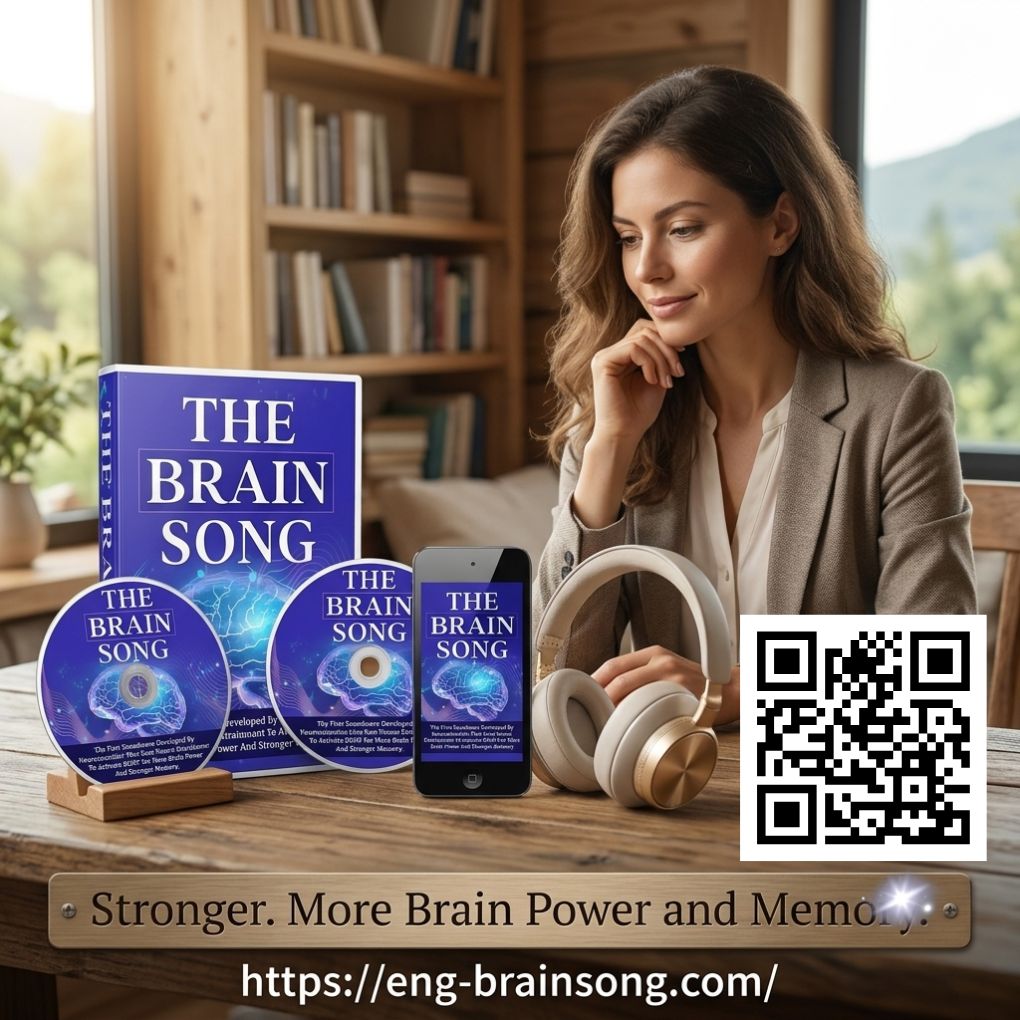
The Brain Song is marketed as a digital audio program designed to support memory, focus, and cognitive wellness through specially arranged sound patterns. Unlike traditional supplements, it is promoted as a listening-based experience that can be incorporated into a daily routine without swallowing capsules or powders.
The program’s marketing discusses gamma brainwaves, binaural beats, and brain-derived neurotrophic factor (BDNF), a protein involved in the growth and maintenance of nerve cells. These are genuine subjects of scientific research, but that does not mean every commercial audio program using these concepts has been proven effective.
In this guide, we’ll explore The Brain Song, how the advertised audio works, the science behind brainwave entrainment, potential benefits, listening tips, and important considerations before purchasing.
What Is The Brain Song?
The Brain Song is a digital audio program marketed to adults interested in supporting everyday mental performance. Online versions describe short listening sessions, commonly around 12 or 17 minutes, designed around sound patterns associated with gamma brainwave research.
The program is advertised for people seeking to support:
- Everyday concentration and focus
- Mental clarity during work or study
- Memory and information recall
- A simple, repeatable wellness routine
- Relaxation and time away from distractions
Some versions describe binaural beats, rhythmic sound patterns, or other audio elements intended to encourage brainwave entrainment. The precise duration and features can differ between websites using The Brain Song name, so check the exact product offer before purchasing.
It is important to understand that The Brain Song is an audio wellness product, not an established medical treatment for memory loss, dementia, attention disorders, or other neurological conditions. Its advertised benefits should be treated as claims to evaluate rather than guaranteed results.
How Does The Brain Song Audio Program Work?
The Brain Song’s marketing focuses on the idea that sound patterns may influence brain activity. Three concepts are particularly relevant: gamma brainwaves, binaural beats, and neural entrainment.
1. Gamma Brainwaves
Gamma waves are relatively fast patterns of electrical activity measured in the brain. Researchers have investigated gamma activity in connection with attention, perception, learning, and memory.
Some experimental research has explored whether rhythmic stimulation at particular frequencies, including around 40 hertz, may influence brain activity or biological processes associated with brain health.
However, the relationship between gamma activity and cognitive performance is complex. A sound recording designed around a gamma-related frequency cannot automatically be assumed to increase useful gamma activity or improve memory in everyday listeners.
2. Binaural Beats
Binaural beats are an auditory effect that can occur when slightly different tones are presented separately to the two ears. The listener perceives a rhythmic beat corresponding to the difference between the tones.
For example, two tones with slightly different frequencies can create the perception of a slower pulsing rhythm. Some audio programs use this effect in an attempt to encourage particular mental states.
Research into binaural beats has explored attention, anxiety, mood, and memory. Findings are mixed, however, and the effects may depend on the sound design, listening conditions, individual differences, and outcome being measured.
3. Neural Entrainment
Neural entrainment refers to the synchronization or alignment of biological rhythms with an external rhythmic stimulus under certain conditions.
Scientists investigate whether auditory stimulation can influence measurable brain rhythms. However, the extent to which this happens consistently, and whether it leads to meaningful improvements in daily cognitive performance, remains an active research question.
The Brain Song’s proposed mechanism is inspired by these ideas. Independent evidence would be needed to show that its exact audio reliably produces the claimed changes.
What Is BDNF, and Why Is It Mentioned?
Brain-derived neurotrophic factor, commonly called BDNF, is a protein involved in the development, maintenance, and adaptability of neurons. It plays a role in biological processes associated with learning and memory.
Because of these functions, BDNF appears in research and marketing discussions about brain health. Some studies have investigated whether particular forms of brain stimulation influence BDNF-related processes.
Nevertheless, several distinctions matter:
- Research involving animals does not necessarily predict the same effect in humans.
- Findings from laboratory stimulation protocols cannot automatically be applied to a consumer audio recording.
- A change in a biological marker does not necessarily translate into a noticeable improvement in memory or focus.
- Scientific research on BDNF does not establish that The Brain Song increases BDNF in its users.
Therefore, BDNF is relevant background science, but it should not be treated as proof that the commercial program produces its advertised outcomes.
Potential Benefits of The Brain Song
The Brain Song is marketed around several cognitive wellness goals. The following sections explain what users may be looking for and what should be kept in mind when evaluating the claims.
1. Focus and Concentration Support
People often seek audio programs to create a more consistent environment for concentration. A short listening session may offer a structured break from notifications, multitasking, or other distractions.
However, there is not enough product-specific evidence to conclude that The Brain Song reliably improves attention. Any perceived benefit may vary depending on the listener and the setting.
2. Memory and Recall
Memory depends on several factors, including attention, sleep, stress, learning strategies, and general health. Research into auditory stimulation has examined whether sound patterns can influence certain memory tasks.
Some findings are promising, but the overall evidence is mixed. It would be inaccurate to guarantee that listening to The Brain Song improves recall or prevents age-related memory changes.
3. Mental Clarity
The program is advertised for people who want to feel more mentally organized and attentive. A quiet listening routine may help some users set aside time for relaxation or prepare for a focused task.
That experience is different from proving that the audio changes cognitive ability. Results are subjective, and some listeners may not notice a meaningful difference.
4. A Convenient Daily Routine
A short audio session can be easier to fit into a busy schedule than a lengthy activity. Users can potentially listen during a quiet break or another appropriate period when they do not need to concentrate on a different task.
Convenience is a practical advantage, but it does not demonstrate effectiveness. Consistency should not be confused with a guarantee of cognitive improvement.
5. A Non-Ingestible Alternative to Supplements
The Brain Song is a digital listening product rather than an oral supplement. It therefore avoids supplement-related issues such as ingredient interactions or gastrointestinal effects from swallowed ingredients.
That does not mean every audio experience is suitable for every person. Listening volume, hearing sensitivity, and individual medical circumstances still deserve consideration.
How to Use The Brain Song
The exact instructions depend on the version purchased. Some product pages describe a session of approximately 12 minutes, while others advertise a 17-minute program.
If you decide to try it, consider these general listening practices:
- Verify the program. Confirm the audio duration, included files, playback instructions, and purchase terms.
- Choose a quiet setting. Reduce interruptions if your goal is to relax or prepare for focused work.
- Use a comfortable volume. Keep the volume at a safe, comfortable level rather than turning it up to try to intensify an effect.
- Follow the actual instructions. Use headphones if the purchased version specifies them, particularly if its design relies on stereo-separated binaural tones.
- Set realistic expectations. Treat the recording as an optional wellness activity, not a guaranteed memory-enhancement method.
- Evaluate your experience sensibly. Notice whether you find the routine relaxing or helpful for preparing to work, without assuming that every subjective change proves a neurological effect.
Never listen while driving or operating equipment if the audio distracts you or makes you drowsy.
If you have epilepsy, a history of seizures, significant sound sensitivity, or a neurological or psychiatric condition, consult an appropriate healthcare professional before trying an audio program intended to influence mental states.
What Does Scientific Research Say About Brainwave Audio?
Scientific evidence is important when evaluating products that use neuroscience terminology.
A 2023 systematic review examined whether binaural-beat stimulation consistently entrains brain oscillations. The review found inconsistent results across the studies it assessed, with differences in methods and outcomes limiting firm conclusions.
A 2022 systematic review and meta-analysis reported a potentially beneficial overall effect of binaural-beat interventions on memory and attention measures, but it also identified conflicting findings and called for stronger research.
These findings suggest that auditory stimulation is a legitimate research area, but they do not establish that every commercial recording is effective.
When evaluating The Brain Song, consider the following questions:
- Has the exact finished audio program been tested in a well-designed human clinical trial?
- Were the outcomes measured objectively or based only on user reports?
- Was there a suitable comparison group?
- Were the results independently replicated?
- Does the evidence support the specific benefit being advertised?
Without reliable product-specific evidence, claims about guaranteed memory improvement, increased BDNF, or protection against cognitive decline should be treated cautiously.
The Brain Song Pros and Cons
| Potential Advantages | Important Considerations |
|---|---|
| Digital delivery may make access convenient | Features and durations may differ between websites |
| Short sessions may fit into a daily routine | Cognitive benefits are not guaranteed |
| Does not require swallowing supplements | Research on general audio techniques does not prove this product works |
| May provide a structured period for relaxation | Some listeners may notice no meaningful difference |
| Can be used in a quiet environment | Headphones and playback instructions may vary |
| Offers an alternative wellness activity | It is not a treatment for cognitive disorders |
What to Check Before Buying The Brain Song
Before purchasing from a website described as the official The Brain Song website, review these points carefully.
Confirm the Exact Program
Several websites use similar product names while advertising different session lengths and audio features. Check the seller’s identity and make sure the program description matches the product you intend to buy.
Understand What Is Included
Determine whether the purchase includes one audio file, multiple tracks, additional materials, or lifetime access. Confirm the delivery method and device compatibility.
Review the Price and Refund Policy
Check the total price, currency, any additional charges, and the conditions for a refund. A money-back guarantee is a seller’s stated policy, not proof that the product works.
Examine Scientific Claims
Look for evidence that directly tests the exact commercial program. References to gamma waves, BDNF, or university research may provide scientific background, but they should not be interpreted as endorsements unless the researchers have actually evaluated the product.
Be Wary of Medical Promises
Be skeptical of claims that a short audio recording can reverse memory loss, prevent dementia, or guarantee dramatic cognitive improvements. Such claims require strong clinical evidence and should not replace medical care.
Frequently Asked Questions
1. What is The Brain Song?
The Brain Song is marketed as a digital audio program intended to support focus, memory, and mental clarity using specially arranged sound patterns. Versions advertised online commonly describe sessions of around 12 or 17 minutes.
2. How does The Brain Song work?
Its marketing refers to gamma brainwaves, binaural beats, and neural entrainment. These are topics of scientific research, but the effectiveness of the specific commercial audio has not been established by the general evidence alone.
3. Does The Brain Song improve memory?
There is insufficient product-specific evidence to conclude that The Brain Song reliably improves memory. Research into binaural beats and auditory stimulation has produced mixed results.
4. Does The Brain Song increase BDNF?
The program’s marketing discusses BDNF, a protein involved in neuronal development and adaptability. However, this does not establish that listening to the specific audio increases BDNF in users.
5. Do I need headphones?
Some versions recommend headphones, particularly when using binaural beats that rely on different tones reaching each ear. Check the instructions for the exact program you purchase.
6. How long does The Brain Song take to work?
There is no scientifically established timeline for the finished product. Individual experiences may differ, and claims promising results within a set number of days should be treated cautiously.
7. Is The Brain Song a medical treatment?
No. It is marketed as a wellness audio program, not an established treatment for memory loss, dementia, attention disorders, or other medical conditions. Consult a healthcare professional about persistent cognitive symptoms.
8. Is The Brain Song a supplement?
No. The versions discussed in this guide are marketed as digital audio products rather than ingestible supplements. Confirm the exact offer because websites using the same name may vary.
Final Verdict
The Brain Song is marketed as a short audio program for people interested in memory, focus, and mental clarity. Its approach draws on scientific concepts involving gamma brainwaves, binaural beats, and neural entrainment.
These topics are worthy of scientific investigation, but the evidence does not establish that The Brain Song itself delivers reliable cognitive improvements or increases BDNF. A short listening routine may be convenient for relaxation or personal wellness, but results should not be assumed or guaranteed.
Before buying, verify the exact program, check the seller’s terms, and distinguish independent research from promotional claims. If you are concerned about persistent memory changes or concentration difficulties, seek professional advice rather than relying on an audio product.