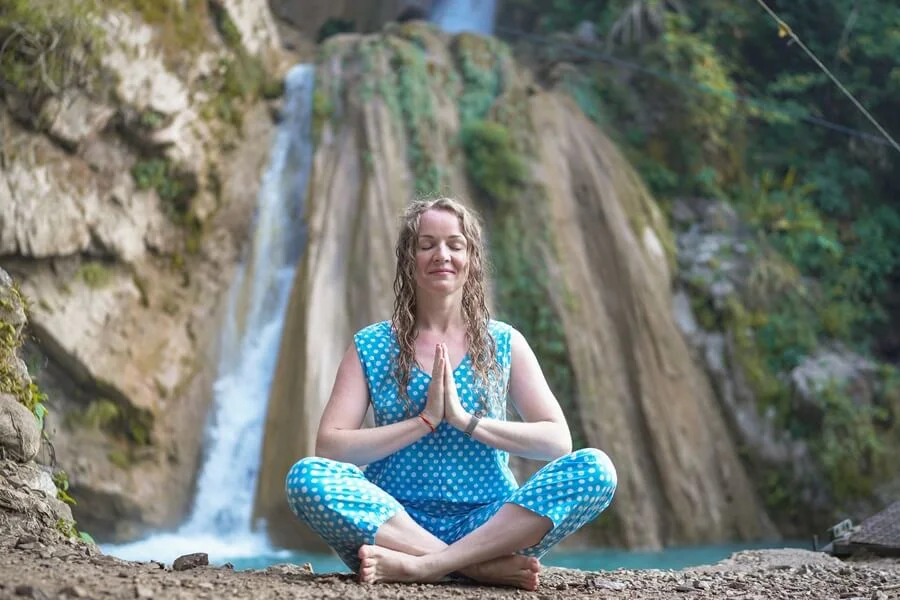
Understanding Bahya Pranayam
Bahya Pranayam is a powerful yogic breathing technique rooted in traditional pranayama practices that focus on controlled exhalation and breath retention. The word “Bahya” refers to “external,” indicating that this practice emphasizes holding the breath out after exhalation. Unlike other breathing exercises that center on inhalation or rhythmic breathing, Bahya Pranayam directs attention toward emptying the lungs completely and maintaining that state for a short duration. This creates a unique physiological and mental response, encouraging stillness and heightened awareness. Practitioners often experience a sense of clarity and internal quiet, making it a valuable addition to both physical and meditative routines.
Technique and Method of Practice
To practice Bahya Pranayam effectively, one begins in a comfortable seated posture with the spine straight. A deep inhalation is followed by a complete and forceful exhalation, ensuring that all air is expelled from the lungs. After exhaling, the breath is held out while gently applying three internal locks known as bandhas: Jalandhara Bandha (throat lock), Uddiyana Bandha (abdominal lock), and Mula Bandha (root lock). These locks help direct energy flow within the body and intensify the benefits of the practice. The breath is held only as long as it is comfortable, and then a slow inhalation follows. Consistency and mindfulness are essential, as forcing the breath or holding it too long can lead to discomfort.
Physical and Mental Benefits
Bahya Pranayam is known for its wide-ranging benefits that extend across physical, mental, and energetic dimensions. Physically, it aids in strengthening abdominal muscles, improving digestion, and stimulating the internal organs. The act of complete exhalation helps expel stale air from the lungs, enhancing respiratory efficiency over time. Mentally, this practice fosters concentration, reduces anxiety, and promotes emotional balance. The brief pause in breathing creates a moment of stillness that can calm the nervous system and sharpen focus. Regular practitioners often report improved mental clarity and a deeper sense of inner control.
Role in Yogic Energy and Detoxification
From a yogic perspective, Bahya Pranayam plays a significant role in regulating prana, or life force energy. By holding the breath out and engaging the bandhas, energy is redirected and conserved within the body. This process is believed to activate dormant energy centers and facilitate the removal of energetic blockages. Additionally, the technique supports detoxification by encouraging the elimination of carbon dioxide and other waste gases. Over time, this contributes to a cleaner internal system, both physically and energetically, enhancing overall vitality.
Precautions and Best Practices
While Bahya Pranayam offers numerous benefits, it should be practiced with caution, especially by beginners or individuals with certain health conditions. It is not recommended for those with high blood pressure, heart issues, or respiratory disorders without proper guidance. Practicing on an empty stomach and in a calm environment is essential for safety and effectiveness. Gradual progression is key, starting with shorter breath holds and increasing duration as comfort and capacity improve. Listening to the body and avoiding strain ensures that the practice remains beneficial rather than harmful.
Integrating Bahya Pranayam into Daily Life
Incorporating Bahya Pranayam into a daily routine can significantly enhance overall well-being. Even a few minutes of consistent practice each day can yield noticeable improvements in energy levels, mental clarity, and emotional stability. It can be combined with other pranayama techniques or meditation practices for a more comprehensive approach to wellness. As with all yogic disciplines, dedication and awareness are crucial. Over time, Bahya Pranayam becomes more than just a breathing exercise—it evolves into a tool for self-regulation, inner exploration, and holistic health.