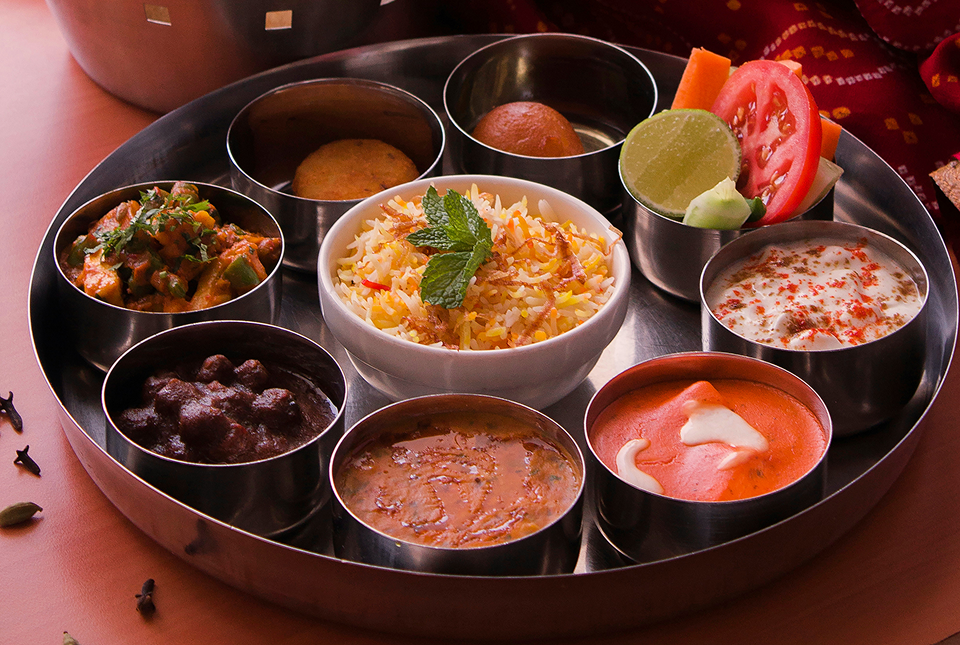
Most people treat indian food eindhoven as a single category, one cuisine with a fixed set of dishes. The reality is closer to a map than a menu. India’s food changes region by region, and once you can read that map, the whole idea of “Indian food” looks completely different. Here’s the deep dive.
The Problem With Treating India as One Cuisine
India isn’t one food culture. It’s dozens, stacked into one country, each with its own oils, spices, souring agents, and techniques. Flattening all of that into five familiar dishes is a bit like reducing all of European food to pizza and a burger.
The regions don’t just differ slightly. They cook in genuinely opposite directions:
- The north leans on dairy, wheat breads, and slow-cooked gravies
- The south leans on rice, coconut, curry leaves, and tamarind
- The east uses mustard oil and a lighter, tangier hand
- The west swings from fiery Kolhapuri heat to milder coastal seafood
None of these taste like each other. That’s the point most menus quietly skip.
A Quick Regional Map
Here’s the same idea laid out as a table, using dishes that actually appear on a regional menu rather than generic examples:
| Region | Signature Dish | What Defines It |
| Bihar (East) | Champaran Mutton | Slow-cooked with mustard seeds, earthy and rustic |
| Kerala (South) | Meen Pollichathu | Fish grilled in banana leaf, coconut-forward |
| Tamil Nadu (South) | Chicken Chettinad | Built on roasted, aromatic spice blends |
| Punjab (North) | Amritsari Chicken Tikka | Yoghurt and spice marinade, tandoor-style |
| Maharashtra (West) | Vegetable Kolhapuri | Thick, heavily spiced gravy, genuinely hot |
Five dishes, five regions, five completely different flavour logics. On a standard menu, most of these would never appear at all.
Myth vs Reality
A few stubborn assumptions are worth clearing up directly.
Myth: All Indian food is spicy. Reality: Spice varies enormously by region and dish. A Keralan coconut curry can be mild by design, while a Kolhapuri gravy is hot on purpose. Heat is a regional choice, not a default setting.
Myth: The gravy is basically the same, just with different proteins swapped in. Reality: A mustard-oil Bengali base and a coconut Keralan base share almost nothing. Swapping the protein doesn’t change the fact that these are entirely different sauces built on different principles.
Myth: Vegetarian dishes are the simple, boring part of the menu. Reality: Regional vegetarian cooking is some of the most technically interesting food India produces. Vegetable Kolhapuri and Amritsari Chole carry as much regional identity as any meat dish.
Why This Matters for What You Order
Once you see the map, ordering changes. Instead of picking the one dish you recognise, you can order across regions deliberately and taste the contrast in a single meal. A few practical ways to do that:
- Pair a mild coastal dish with a hot inland one to feel the range
- Include at least one vegetable dish with real regional character
- Ask staff which region a dish comes from, not just whether it’s spicy
- Share dishes rather than each person committing to one plate
That approach turns a meal into a tour rather than a single stop.
The Honest Limitation
Reading the map has one catch worth stating plainly. Because some regional dishes depend on specific fresh ingredients, they aren’t always available on a given day. If you arrive set on one exact dish, there’s a small chance it’s off that evening.
That’s the trade-off of a kitchen cooking to freshness rather than keeping everything pre-prepped. It’s a fair price for food made properly, but it’s worth knowing before you go so you arrive with a backup in mind.
How to Read a Menu Once You Know the Map
The real value of all this shows up the moment you pick up a menu anywhere in the city. Instead of scanning for the one name you recognise, you start reading for regional clues. A few things worth watching for:
- Does the menu name specific regions, or just say “authentic”?
- Are there dishes built on coconut, mustard oil, or tamarind, not only cream and tomato?
- Is the vegetarian section regionally varied, or just a few paneer dishes?
- Do the spice descriptions differ dish by dish, or is everything vaguely “medium”?
A menu that passes these checks is telling you it actually cooks across regions. A menu that fails them is usually running the familiar shortlist under different names.
The Bigger Picture
None of this is about dismissing the classics. Butter chicken and naan earned their popularity for good reason, and there’s nothing wrong with ordering them. The point is simply that they’re the opening page of a much longer book, not the whole story.
Once you can read the regional map, indian food stops being one category and becomes a collection of distinct cuisines that happen to share a country. That shift changes how you order, what you notice, and how much you actually get out of a single meal. The map was always there. Most menus just never handed it to you.
Where the Map Comes to Life
Dhol & Soul, at Willemstraat 61 in central Eindhoven, is built around exactly this regional idea rather than the usual shortlist. It’s open daily from 4:30pm to 10pm, with online booking and WhatsApp for questions. Weekends fill faster, so booking ahead is sensible.
If you want to compare how different indian restaurants in eindhoven handle this regional range, the map above is a useful lens. Some kitchens genuinely cook across regions. Others print regional names on a menu but cook everything from the same base. The difference only shows once the food arrives, and now you know exactly what to look for.