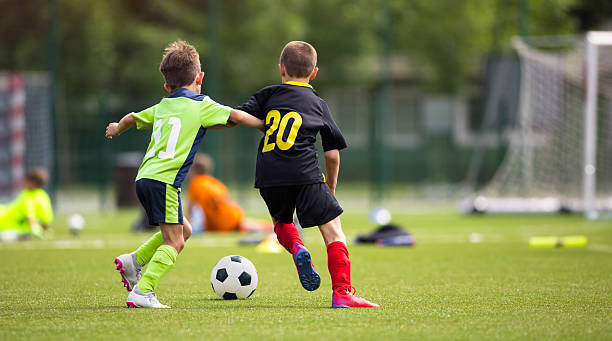
Human beings are social creatures, and learning how to navigate a group is one of the most complex tasks a child will face. While school provides a primary social outlet, sports offer a different kind of interaction. On the soccer field, social dynamics are active and fast-paced, requiring children to communicate and cooperate in real-time to achieve a common objective.
Key Benefits of a Structured Kids Soccer Program
Joining a kids soccer program is about more than just physical activity; it is about community. For children ages 1.5 to 9, the program offers a consistent social circle where they can develop long-term friendships. The shared experience of learning a new skill and playing together creates a bond that often extends beyond the hours spent at the indoor facility.
Learning the Language of Cooperation
In soccer, you cannot win alone. Children quickly learn that if they want to score a goal, they often need to pass to a teammate. This fundamental lesson in cooperation is essential. By working together, children learn to value the strengths of others and understand that everyone has a role to play. This cooperative mindset is a key component of emotional intelligence.
Confidence in a Group Setting
For a shy child, a large group can be paralyzing. However, the small groups at KidsUnited allow these children to find their voice at their own pace. As they become more comfortable with the drills and their teammates, their confidence grows. This newfound social ease often transfers to other areas, such as participating more in school or being more outgoing in new environments.
Why Start Early with Soccer Classes for Toddlers?
The social journey begins even earlier for those enrolled in soccer classes for toddlers. At 18 months, children are often in the “parallel play” stage, where they play near each other but not necessarily together. Soccer classes help nudge them toward “cooperative play,” where they start to acknowledge and interact with their peers in a more direct and intentional way.
Empathy and Awareness of Others
Toddlers are naturally self-centered as a part of their development. Soccer helps them begin to notice the people around them. They learn to wait their turn for a ball or to give a teammate space to move. These small moments of awareness are the seeds of empathy. Recognizing that other children have the same goals and feelings as they do is a major developmental leap.
Conclusion
The social and emotional benefits of soccer are just as important as the physical ones. By choosing a program that prioritizes small groups and a supportive environment, you are giving your child a head start in their social development. Whether they are learning to share in a toddler class or learning to lead in an older group, the lessons of the soccer field are invaluable.