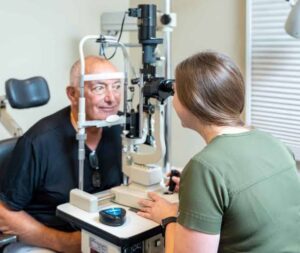
Retinal vein occlusion (RVO) is a serious eye condition that occurs when a vein carrying blood away from the retina becomes blocked. This blockage can lead to bleeding, swelling, reduced oxygen supply, and vision changes. Depending on the severity and location of the blockage, retinal vein occlusion may cause blurred vision, blind spots, or significant vision loss. Although several medical treatments are available, many people also explore nutritional approaches to support their eye health.
Supplements for Retinal Vein Occlusion have gained attention because certain vitamins, minerals, and antioxidants are associated with normal retinal function and general vascular health. However, it is important to understand the difference between supporting eye health and treating an existing retinal vein blockage. Supplements cannot reliably remove a blockage or reverse retinal damage, and strong clinical evidence supporting their use specifically for RVO remains limited.
This article examines the potential benefits, risks, and scientific research surrounding supplements, helping readers make informed decisions alongside their eye specialist’s recommendations.
What Causes Retinal Vein Occlusion?
Retinal vein occlusion occurs when a retinal vein becomes obstructed, interfering with normal blood drainage. The resulting pressure can cause blood and fluid to leak into the retina, sometimes leading to macular edema, a buildup of fluid in the central part of the retina responsible for detailed vision.
There are two main types of retinal vein occlusion: central retinal vein occlusion (CRVO), which affects the main retinal vein, and branch retinal vein occlusion (BRVO), which affects a smaller branch. Both conditions can affect vision, although their severity and complications vary.
Several factors increase the risk of developing RVO, including high blood pressure, diabetes, high cholesterol, glaucoma, smoking, and increasing age. These risk factors highlight the importance of managing cardiovascular health as part of a comprehensive eye-care plan.
Understanding the underlying causes is essential before considering Supplements for Retinal Vein Occlusion. While nutrition may contribute to overall health, treating the condition requires appropriate medical assessment and management of its complications.
Can Supplements Help with Retinal Vein Occlusion?
Supplements provide nutrients that may be difficult to obtain in sufficient quantities from the diet or that are needed to correct a documented deficiency. Certain nutrients also participate in antioxidant protection, normal blood vessel function, and cellular maintenance.
However, there is currently insufficient high-quality clinical evidence to conclude that any dietary supplement can independently treat retinal vein occlusion, restore blocked retinal blood flow, or prevent vision loss caused by an established blockage.
The most important distinction is that nutritional support is not the same as a proven medical treatment. Supplements may be appropriate for people with specific nutritional deficiencies or other health needs, but their benefits depend on individual circumstances.
Anyone considering Supplements for Retinal Vein Occlusion should discuss the decision with an ophthalmologist or qualified healthcare professional, particularly if they take prescription medication or have diabetes, cardiovascular disease, or a bleeding disorder.
Key Nutrients and Their Potential Benefits
1. Omega-3 Fatty Acids
Omega-3 fatty acids, particularly EPA and DHA, are found in oily fish such as salmon, sardines, and mackerel. They play important roles in normal cell membranes and are involved in several processes related to inflammation and cardiovascular health.
Some research has examined omega-3 fatty acids in relation to general eye health and retinal function. Nevertheless, evidence that omega-3 supplements improve outcomes in people with retinal vein occlusion is insufficient.
Obtaining omega-3 fatty acids through a balanced diet can be a reasonable part of a healthy lifestyle. Before taking concentrated fish oil supplements, individuals should consult their healthcare provider, especially if they use anticoagulants or antiplatelet medicines.
2. Vitamin C and Vitamin E
Vitamins C and E are antioxidants that help protect cells from oxidative damage. Vitamin C supports collagen formation and normal tissue function, while vitamin E helps protect cell membranes.
Because oxidative stress may be involved in several retinal disorders, researchers have investigated antioxidants for their potential role in eye health. However, the presence of oxidative stress in a disease does not automatically mean that taking additional antioxidants will improve its outcomes.
There is no established evidence that high-dose vitamin C or vitamin E supplements can reverse retinal vein occlusion. A balanced diet containing fruits, vegetables, nuts, seeds, and other nutrient-rich foods is generally preferable to taking large doses without medical advice.
3. Zinc
Zinc is an essential mineral involved in immune function, cellular metabolism, and normal physiological processes in the eye. A deficiency can affect health, making adequate zinc intake important.
Nevertheless, zinc supplementation has not been established as a treatment for retinal vein occlusion. Evidence from research on other retinal conditions should not be interpreted as proof that zinc can restore vision or resolve a retinal vein blockage.
Excessive zinc intake can cause nausea, digestive problems, and copper deficiency, particularly when high doses are taken over long periods. Supplementation should therefore be guided by an individual’s nutritional needs and medical history.
4. Lutein and Zeaxanthin
Lutein and zeaxanthin are carotenoids found in leafy green vegetables, corn, and other foods. They accumulate in the macula, where they contribute to the eye’s natural pigment and help filter certain wavelengths of light.
These nutrients have been studied extensively in relation to age-related macular degeneration (AMD). However, AMD is different from retinal vein occlusion, and evidence supporting their use in one condition cannot automatically be applied to the other.
Although lutein and zeaxanthin can form part of a healthy diet, there is not enough evidence to recommend them as a specific treatment for RVO. Patients should avoid assuming that supplements marketed for macular health will necessarily improve vision affected by a vascular blockage.
Herbal Treatment for Retinal Vein Occlusion: What Should You Know?
Interest in Herbal Treatment for Retinal Vein Occlusion often comes from the belief that plant-based products are gentler or safer than conventional medicines. Some herbal ingredients have been investigated for antioxidant, anti-inflammatory, or vascular effects, but laboratory findings and preliminary studies do not establish that an herb can safely treat retinal vein occlusion in humans.
Herbal products may also vary considerably in strength, purity, and composition. Some can interact with prescription medicines, affect blood clotting, alter blood pressure, or influence blood glucose levels.
For these reasons, herbal products should not replace prescribed eye injections, monitoring, or other recommended treatments. Anyone considering an herbal preparation should share its exact name, ingredients, and dosage with their ophthalmologist or pharmacist before using it.
The safest approach is to evaluate each product according to reliable clinical evidence rather than relying on traditional use or marketing claims alone.
Natural Remedies For Retinal Vein Occlusion: Lifestyle Matters
People searching for Natural Remedies For Retinal Vein Occlusion should understand that healthy lifestyle habits may help manage risk factors associated with vascular disease, even though they cannot directly clear an existing retinal vein blockage.
A practical approach includes eating a balanced diet rich in vegetables, fruits, whole grains, legumes, and healthy fats. Regular physical activity, maintaining a healthy weight, avoiding smoking, and limiting excessive alcohol intake can also support general cardiovascular health.
Managing blood pressure, blood glucose, and cholesterol is particularly important for people with risk factors for RVO. Routine medical checkups can help identify problems that might otherwise remain unnoticed.
These measures should complement, rather than replace, ophthalmic treatment. Sudden changes in vision require urgent medical assessment, regardless of whether a person follows a healthy diet or takes supplements.
Natural Herbs Clinic: Understanding Herbal Wellness and Eye Health
The term Natural Herbs Clinic is often associated with natural wellness approaches, plant-based products, and traditional herbal practices. People living with retinal vein occlusion may seek these services because they want additional ways to support their health beyond conventional medical care.
When considering a natural health clinic, patients should prioritize transparency, qualified practitioners, and evidence-based recommendations. A responsible provider should explain the limitations of herbal products, disclose possible side effects, and encourage patients to continue appropriate ophthalmic care.
It is also important to verify the ingredients and quality of any recommended product. Terms such as “natural,” “organic,” and “herbal” do not automatically mean that a supplement is safe or effective. Patients should be especially cautious of claims promising to dissolve retinal clots, restore lost vision, or cure retinal vein occlusion without medical treatment.
Natural wellness approaches are best considered complementary to professional healthcare rather than replacements for treatments prescribed by a retina specialist.
Risks and Side Effects of Supplements
Although supplements can help address certain nutritional deficiencies, they may also cause unwanted effects. Taking excessive amounts of vitamins and minerals can be harmful, and combining several products may result in overlapping ingredients or unexpectedly high doses.
Some supplements can interact with prescription medicines. For example, high-dose vitamin E and certain herbal products may increase bleeding concerns, particularly in people taking anticoagulant or antiplatelet medication. Omega-3 supplements may also require additional consideration in people taking medicines that affect blood clotting.
Other potential problems include digestive discomfort, allergic reactions, changes in blood pressure, and effects on blood glucose. Product quality is another concern because supplements may differ in purity, concentration, and manufacturing standards.
Before starting any supplement, patients should discuss the intended product and dose with their healthcare professional. They should never stop prescribed medication or delay eye treatment in favor of an unproven natural product.
What Does Scientific Research Say?
Current clinical guidance emphasizes diagnosing retinal vein occlusion accurately, identifying associated risk factors, monitoring the retina, and treating complications that threaten vision. There is no established supplement regimen proven to reverse RVO or replace standard treatment.
According to the American Academy of Ophthalmology’s Retinal Vein Occlusions Preferred Practice Pattern, anti-VEGF injections and other selected treatments can help manage macular edema associated with retinal vein occlusion. Laser treatment may also be appropriate for certain complications. These approaches are supported by clinical evidence and are selected according to the patient’s condition.
Research into antioxidants, dietary patterns, and vascular health remains relevant to understanding general eye health. However, findings from studies of age-related macular degeneration or other eye diseases cannot automatically be applied to RVO.
Future research may clarify whether specific nutrients have a supportive role in selected patients. For now, the strongest approach is to combine appropriate retinal treatment with individualized management of cardiovascular risk factors, rather than relying on supplements as the primary intervention.
For further information, readers can consult the American Academy of Ophthalmology’s retinal vein occlusion guidance.
How to Choose Supplements Responsibly
Anyone considering nutritional supplements should take a careful, individualized approach. The following steps can help reduce unnecessary risks:
- Identify nutritional needs:A healthcare professional can determine whether dietary changes or supplementation may be appropriate.
- Check ingredients and dosage:Review the full label, including active ingredients, serving sizes, and possible allergens.
- Discuss medication interactions:Inform your doctor or pharmacist about all vitamins, herbal products, and prescription medicines you use.
- Choose quality-tested products:Look for credible independent testing where available, while remembering that quality testing does not prove effectiveness against RVO.
- Track your eye health:Attend scheduled retinal examinations and follow the treatment plan recommended by your ophthalmologist.
- Avoid unrealistic claims:Be skeptical of products advertised as cures for retinal vein blockage or guaranteed methods of restoring vision.
These measures help ensure that any nutritional approach remains grounded in realistic expectations and personal medical needs.
When Should You Seek Medical Attention?
Retinal vein occlusion requires professional assessment because its complications can progress even when symptoms seem mild. Sudden blurred vision, a new dark area in your vision, missing portions of your visual field, or an abrupt decrease in sight should prompt urgent medical evaluation.
People already diagnosed with RVO should attend follow-up appointments even if their vision improves. Regular monitoring helps identify complications such as macular edema and abnormal blood vessel growth.
An ophthalmologist can determine whether injections, laser treatment, or another intervention is necessary. Supplements should never delay urgent evaluation or interfere with a prescribed treatment schedule.
Conclusion
Supplements for Retinal Vein Occlusion may appear promising to people looking for additional ways to protect their vision, but their proven role in treating this condition remains limited. Nutrients such as omega-3 fatty acids, vitamins C and E, zinc, lutein, and zeaxanthin contribute to various aspects of normal health, yet none has been established as a standalone treatment capable of reversing a retinal vein blockage.
Similarly, Herbal Treatment for Retinal Vein Occlusion and Natural Remedies For Retinal Vein Occlusion should be approached with realistic expectations. Healthy eating, regular exercise, smoking cessation, and management of blood pressure, cholesterol, and diabetes can support overall vascular health, but they cannot replace appropriate eye care.
People exploring services such as a Natural Herbs Clinic should carefully evaluate product claims and consult qualified healthcare professionals before using herbal preparations.
Ultimately, protecting vision requires evidence-based treatment, regular retinal monitoring, and personalized management of health risks. Supplements may have a place when they address a genuine nutritional need, but the safest decision is one made with guidance from an ophthalmologist and a healthcare professional who understands your complete medical history.