Invisible Braces
Achieving a straight and healthy smile is a common goal for people who want to improve their dental appearance and overall oral health. However, many individuals hesitate to begin orthodontic treatment because they are concerned about the appearance, discomfort, and maintenance associated with traditional metal braces. Invisible braces have become a popular alternative, offering a more discreet way to correct different teeth alignment concerns.
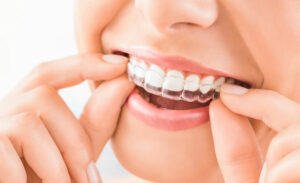
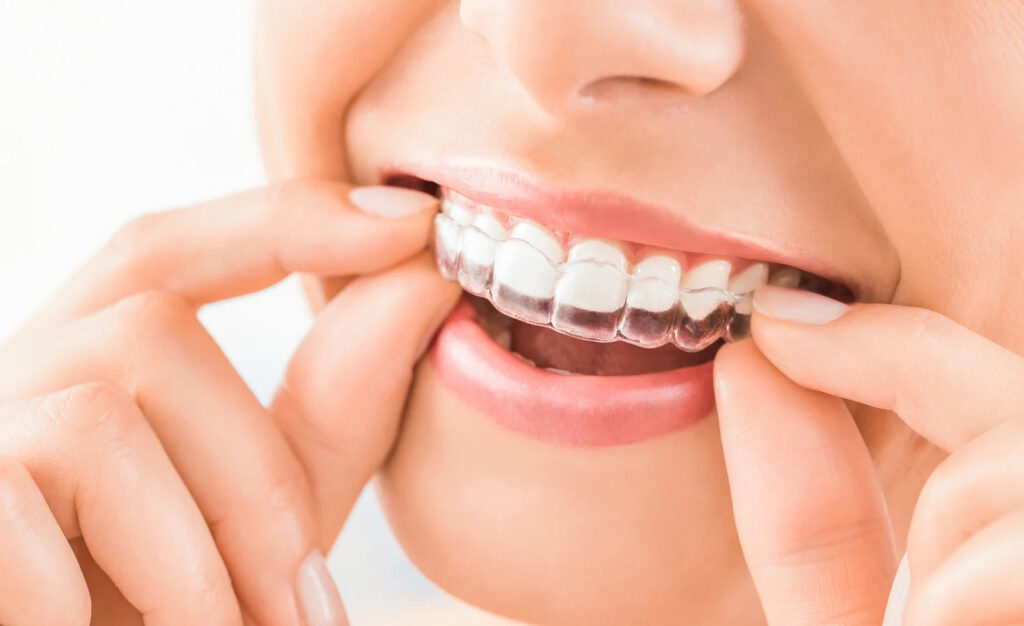
Invisible braces, also known as clear aligners, are transparent, removable trays designed to gradually move teeth into their desired positions. They are custom-made using digital scans or dental impressions and work through a series of aligners that apply controlled pressure to specific teeth. Although this treatment offers several advantages, understanding how it works and what to expect is essential before getting started.
Here are the top 10 important things to know before beginning invisible braces treatment.
1. Understand How Invisible Braces Work
Before starting treatment, it is important to understand the basic process behind invisible braces. Clear aligners work by applying gentle, controlled pressure to gradually shift teeth into planned positions. Each aligner in the treatment series is designed to make specific adjustments.
Patients typically receive multiple sets of custom-made trays and change them according to their orthodontist’s instructions. Over time, these small movements help improve dental alignment. Understanding the process can help patients develop realistic expectations and remain committed throughout their treatment.
2. Not Everyone Is a Suitable Candidate
Although invisible braces can correct many orthodontic concerns, they are not suitable for every patient. They are commonly used to address crowded teeth, gaps, mild to moderate bite problems, and certain alignment irregularities.
However, complex dental conditions, severe bite issues, and significant tooth movements may require alternative orthodontic treatments. A professional dental examination is necessary to determine whether clear aligners can achieve the desired results.
An orthodontic specialist can evaluate the patient’s teeth, gums, jaw alignment, and overall oral health before recommending an appropriate treatment approach.
3. A Professional Consultation Is Essential
A detailed consultation is one of the most important steps before starting invisible braces treatment. During this appointment, the dental professional examines the patient’s teeth and discusses their concerns, expectations, and treatment goals.
Digital scans, photographs, X-rays, or dental impressions may be required to understand the existing dental structure. These records help create an individualised treatment plan based on the patient’s specific needs.
Patients should also discuss any existing dental conditions, previous orthodontic treatment, and oral health concerns. A proper assessment helps identify potential complications before treatment begins.
4. Consistent Wear Is Necessary for Results
Unlike traditional metal braces, invisible braces are removable. However, this flexibility comes with an important responsibility: patients must wear their aligners consistently.
Most clear aligner treatments require wearing trays for approximately 20 to 22 hours each day. They should generally only be removed for eating, drinking anything other than water, brushing, and flossing.
Removing aligners too frequently or wearing them for insufficient periods can interrupt planned tooth movements. This may delay treatment and affect the final results. Following the recommended wearing schedule is essential for maintaining progress.
5. Treatment Duration Varies Between Individuals
One common question patients ask before beginning invisible braces treatment is how long it will take to achieve their desired smile. The answer depends on several factors, including the complexity of dental alignment issues, the number of teeth requiring movement, and patient compliance.
Some individuals may complete treatment within several months, while others may require a year or longer. More complicated cases can take additional time.
Patients should avoid comparing their treatment timelines with those of other people. Their orthodontist can provide an estimated duration after evaluating their dental condition and developing a personalised treatment plan.
6. Some Temporary Discomfort Is Normal
Invisible braces are generally designed for comfort, but patients may experience temporary pressure or soreness when starting treatment or switching to a new set of aligners.
This sensation occurs because the trays apply controlled force to move teeth gradually. Mild tenderness usually improves as the mouth adjusts to the new aligners.
Patients may also experience slight speech changes during the initial adjustment period. These effects are generally temporary. However, persistent pain, significant irritation, or damaged aligners should be discussed with the dental professional rather than ignored.
7. Oral Hygiene Requires Daily Attention
Maintaining good oral hygiene is essential throughout invisible braces treatment. Although removable aligners make brushing and flossing easier than with fixed braces, patients must remain consistent with their cleaning routines.
Teeth should be brushed after meals whenever possible, and flossing should remain part of the daily routine. This helps remove food particles and plaque before aligners are reinserted.
The aligners themselves also require regular cleaning according to the manufacturer’s or orthodontist’s instructions. Patients should avoid using hot water because excessive heat can distort the plastic material and affect the fit.
8. Food and Drink Habits May Need Adjustments
One advantage of invisible braces is that patients can remove them before eating. This means there are generally fewer dietary restrictions compared with traditional fixed braces.
However, patients should never eat while wearing their aligners because chewing can damage or distort the trays. Drinks other than plain water should also be avoided while the aligners are in place.
Sugary beverages can become trapped between the aligners and teeth, increasing the risk of tooth decay. Cleaning the teeth before putting the trays back in helps maintain better oral health throughout treatment.
9. Retainers Are Important After Treatment
Completing invisible braces treatment does not mean that teeth will automatically remain in their new positions forever. Teeth naturally have a tendency to shift over time, particularly during the period immediately following orthodontic treatment.
For this reason, retainers are generally recommended after active treatment is completed. They help maintain the corrected alignment and reduce the risk of relapse.
The type of retainer and recommended wearing schedule depend on individual circumstances. Patients should follow their orthodontist’s instructions and attend follow-up appointments to maintain their results.
10. Understand the Costs and Treatment Commitment
Before starting invisible braces treatment, patients should understand the financial and practical commitments involved. Treatment costs can vary depending on the complexity of the case, the number of aligners required, the treatment duration, and the dental provider.
It is helpful to ask about consultation fees, diagnostic procedures, follow-up appointments, replacement aligners, and retainers. Patients should also understand what happens if additional adjustments become necessary.
Beyond financial considerations, invisible braces require discipline, consistent wear, and regular dental monitoring. Being prepared for these responsibilities can make the treatment experience more manageable.
Conclusion
Invisible braces offer a modern and discreet approach to correcting teeth alignment while providing flexibility, convenience, and improved comfort compared with many traditional orthodontic options. However, successful treatment depends on proper planning, professional supervision, consistent aligner wear, and good oral hygiene habits.
Before beginning treatment, individuals should understand their eligibility, expected timeline, maintenance requirements, and long-term retention needs. Consulting an experienced dental professional can help determine the most suitable orthodontic solution.
At Dr Hasan Odeh, patients can explore suitable orthodontic options and receive professional guidance based on their individual dental requirements. Choosing Invisible Braces in Dubai can be an important step towards achieving a straighter, healthier smile with a treatment approach designed around personal dental needs.