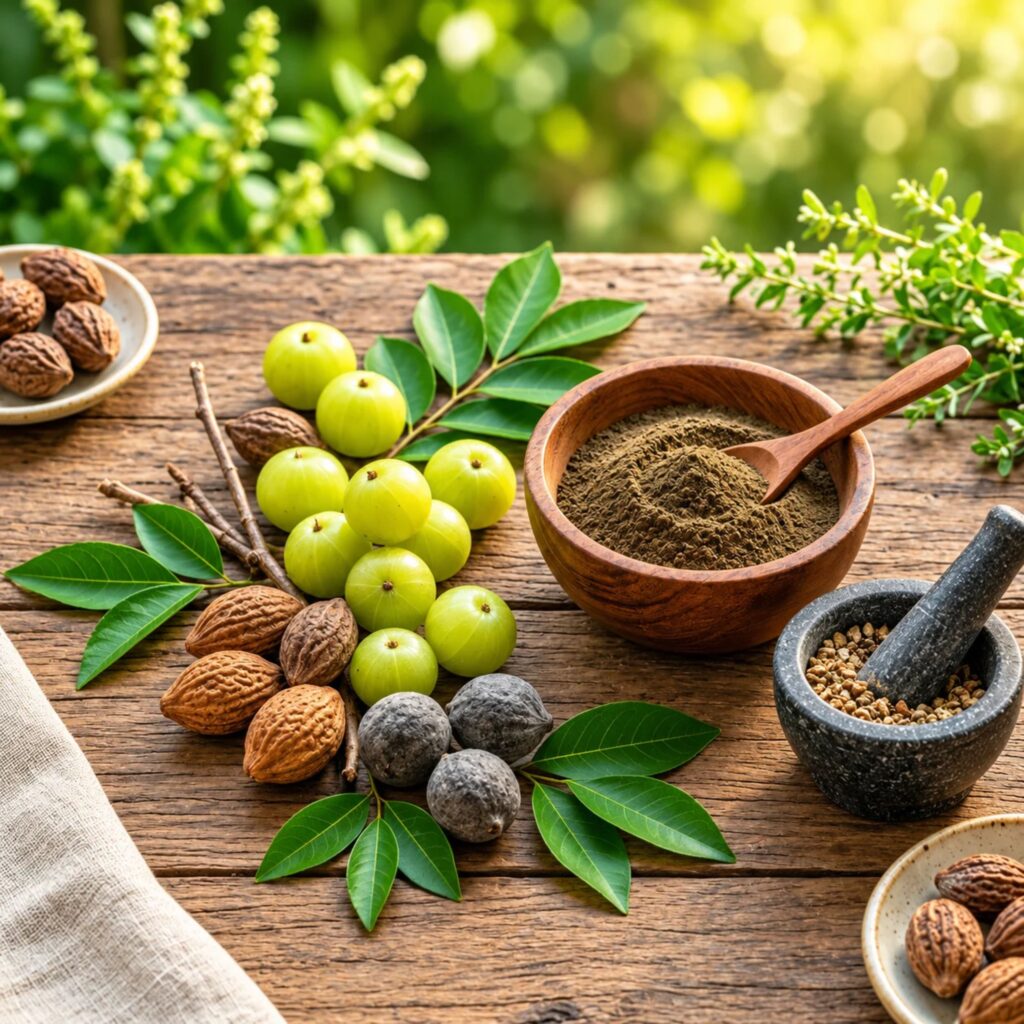
Ayurveda is a traditional Indian approach to wellness that has incorporated herbs and natural ingredients into daily practices for centuries. Today, these ingredients continue to attract attention as people learn more about traditional methods of maintaining well-being. Amla, turmeric, tulsi, and neem are among the familiar herbs valued for their traditional uses and unique botanical properties.
While Ayurvedic herbs have a rich history, their role in modern wellness should be understood carefully. Traditional practices can provide valuable cultural and historical knowledge, but herbal ingredients are not substitutes for medical treatment, balanced nutrition, or healthy daily habits.
Exploring Common Ayurvedic Herbs
Many herbs are used in traditional Ayurvedic preparations, and each has its own characteristics.
Amla: Indian gooseberry, commonly called amla, is known for its nutritional value and vitamin C content. It is traditionally consumed as a fruit and used in various herbal preparations.
Turmeric: This golden-yellow spice is widely used in Indian cooking. It contains curcumin, a natural compound studied for its biological properties. Turmeric is also an important ingredient in traditional wellness practices.
Tulsi: Also known as holy basil, tulsi is commonly grown in Indian households. Its leaves are traditionally used in herbal teas and other preparations.
Neem: Neem has a long history in traditional Indian practices, particularly in personal care and certain herbal applications. Different parts of the plant have been used in various preparations.
The properties and suitability of these herbs can vary according to their preparation, quantity, and method of use.
Incorporating Traditional Herbs Into Modern Routines
Modern wellness focuses on maintaining a balanced lifestyle through nutritious food, regular exercise, adequate sleep, and effective stress management. Traditional herbs may be explored alongside these habits when appropriate.
For example, amla can be included in a varied diet, and turmeric can be added to everyday meals. Tulsi leaves are often prepared as herbal tea and enjoyed as part of a regular routine.
People interested in learning more about traditional herbs and natural wellness practices can explore Arkveda Herbals. For information about available herbal preparations, visit the Arkveda Herbals products page.
Choosing Herbal Products With Care
As herbal wellness becomes more popular, understanding product quality and safety is essential. Before selecting a herbal preparation, consumers should check its ingredient list, recommended usage, manufacturing information, and quality-testing details.
Natural ingredients can still cause unwanted effects. Some herbs may interact with medicines or may not be suitable for particular individuals, especially when consumed in concentrated supplement forms.
People who are pregnant, breastfeeding, taking medication, or living with a health condition should consult a qualified healthcare professional before using herbal supplements. It is also important to avoid products that promise guaranteed cures or recommend stopping prescribed treatment.
Conclusion
Ayurvedic herbs remain an important part of India’s traditional wellness heritage. Amla, turmeric, tulsi, and neem continue to be explored for their traditional applications and distinctive properties.
Understanding these ingredients through reliable information, responsible product choices, and modern scientific knowledge can help people make better-informed decisions. When combined with healthy everyday habits and appropriate professional guidance, traditional wellness practices can be explored in a balanced and thoughtful way.