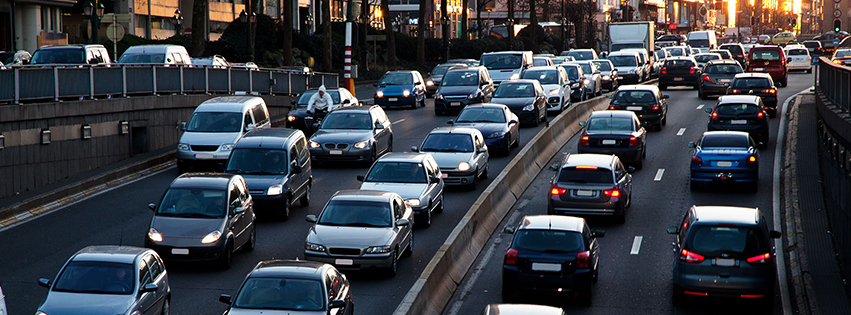
Road construction, utility work, emergency repairs, and public events all rely on organized traffic management to keep people moving safely. Without a structured plan, even small projects can create congestion, confusion, and unnecessary risks for drivers and pedestrians. Across Iowa, growing infrastructure improvements have increased the need for dependable traffic control practices that protect both workers and the public.
Effective traffic management begins with careful planning, trained personnel, and the proper use of safety devices. Whether the project takes place on a busy highway, a residential street, or a commercial area, traffic control professionals in Iowa help create organized work zones that reduce hazards while maintaining a steady flow of traffic. Their expertise supports safer travel and keeps projects moving efficiently from start to finish.
Why Professional Traffic Control Matters
A well-designed traffic control plan is more than placing cones or warning signs. Every work zone has unique challenges based on road layout, traffic volume, weather conditions, and nearby businesses or neighborhoods.
Professional traffic control helps reduce the risk of vehicle collisions, protect road workers from moving traffic, guide drivers through temporary lane changes, improve visibility during day and night operations, and minimize delays and traffic congestion.
The Manual on Uniform Traffic Control Devices (MUTCD) establishes the national standards for traffic control devices used on roads open to public travel. Iowa DOT also maintains Iowa-specific provisions and guidance that supplement the federal MUTCD requirements. Following the applicable MUTCD and Iowa DOT requirements helps ensure that signs, markings, traffic control devices, and work zone operations are properly planned and implemented.
Common Situations That Require Traffic Control
Many projects throughout Iowa require temporary traffic management to prevent accidents and confusion.
Road Construction Projects
Road resurfacing, bridge repairs, and highway improvements often involve lane closures and temporary detours. Proper traffic control keeps vehicles moving safely around construction activities.
Utility Maintenance
Electric, gas, water, and telecommunications crews frequently work near active roadways. Temporary traffic control protects workers while allowing service repairs to continue without creating unsafe driving conditions.
Special Events
Community festivals, parades, sporting events, and charity walks require temporary road closures and pedestrian safety measures to manage increased traffic.
Emergency Response
Storm damage, vehicle accidents, and emergency repairs demand immediate traffic management to maintain safe access for emergency personnel.
Essential Elements of a Safe Work Zone
Every successful traffic control plan combines several important safety measures that work together.
Advance Warning Signs
Drivers need enough time to react before entering a work zone. Clearly placed warning signs prepare motorists for upcoming lane shifts, reduced speeds, or road closures.
Traffic Control Devices
Cones, barricades, drums, channelizers, and temporary barriers help separate traffic from active work areas while guiding vehicles safely through changing road conditions.
Flagging Operations
When traffic must alternate through a single lane, trained flaggers communicate clearly with drivers to maintain safe and orderly movement. ATSSA flagger certification is one recognized training credential for personnel performing flagging duties, helping contractors verify that workers have received appropriate flagger training.
Temporary Traffic Patterns
Some projects require temporary lane markings, detour routes, or portable traffic signals to safely redirect vehicles around construction activities.
Temporary traffic control plans commonly organize a work zone into standard areas such as the advance warning area, transition area or taper, buffer space, activity area, and termination area. Using this terminology helps contractors and project stakeholders evaluate how traffic is moved safely through and beyond the work zone.
How Proper Planning Improves Safety
Successful traffic control begins long before equipment arrives on-site. Planning identifies potential hazards and creates solutions that reduce risks for everyone using the roadway.
Important planning factors include expected traffic volume, school and business access, emergency vehicle routes, pedestrian accommodations, weather conditions, and project duration.
Careful preparation helps prevent unexpected delays while maintaining safe travel conditions throughout the project.
For work affecting Iowa roadways, contractors should also determine the applicable Iowa DOT requirements and whether the project requires approval or coordination for a proposed lane closure, detour, or other change to traffic operations. Iowa DOT provides work zone and traffic control guidance for projects on the state highway system.
Choosing Qualified Traffic Control Services
Not every project has the same traffic management needs. Selecting experienced professionals ensures the proper equipment, planning, and trained personnel are available for each situation.
When evaluating traffic control services, consider experience with similar roadway projects, compliance with current safety standards, availability of ATSSA-trained or certified flaggers, proper maintenance of traffic control equipment, and the ability to adapt plans as project conditions change.
Working with knowledgeable professionals helps reduce project risks while supporting efficient traffic movement.
Conclusion
Safe roads depend on more than construction equipment and skilled crews. Effective planning, clear communication, and organized work zones play an equally important role in protecting workers, drivers, cyclists, and pedestrians. As infrastructure improvements continue across the state, traffic control professionals in Iowa remain essential for creating safer roadways, reducing delays, and helping every project operate with confidence and efficiency.
If you need traffic control support for a construction project, utility operation, special event, or emergency situation in Iowa, contact Advanced Traffic to discuss your work zone requirements and traffic management needs.