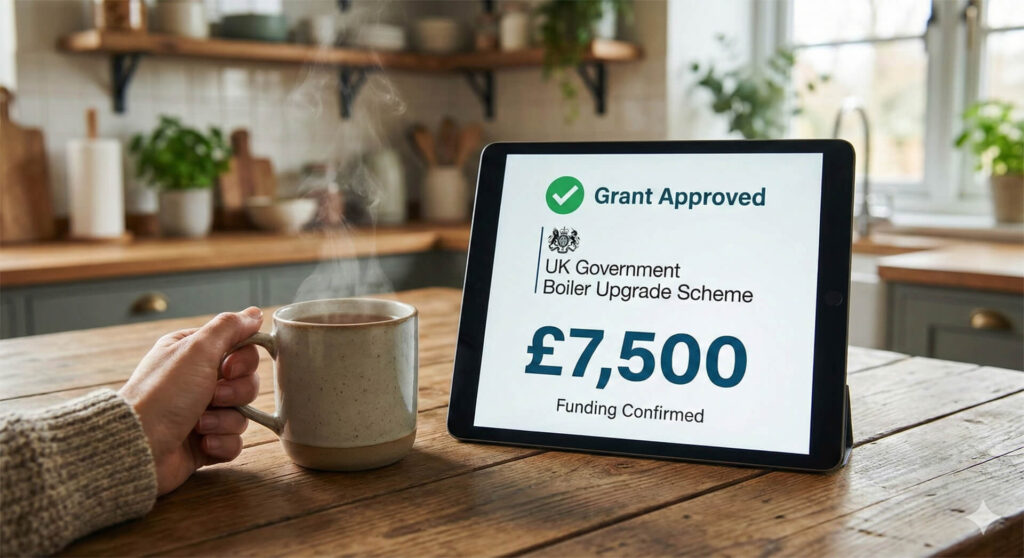
Energy costs have pushed many households to look for more efficient heating solutions, and government-backed support schemes such as the Boiler Upgrade Grant have become part of that conversation. Still, the details can feel unclear at first glance, especially around who qualifies and how the process actually works.
This guide breaks down eligibility and application steps in plain terms, so you can understand whether you’re likely to qualify and how to avoid common delays.
What the Boiler Upgrade Grant Is Trying to Achieve
At its core, this type of support exists to reduce carbon emissions from home heating. Many UK homes still rely on older gas or oil systems that are less efficient and produce higher emissions.
The scheme encourages homeowners to move toward lower-carbon heating systems, such as heat pumps or biomass boilers, in some cases. Instead of covering the full cost, it usually offers a fixed contribution toward installation, which reduces upfront financial pressure.
The idea is simple: make cleaner heating more affordable so more households can switch.
Who Is Usually Eligible?
Eligibility depends on both the property and the type of heating system being installed. It’s not just about income or household status.
In most cases, you need to meet these conditions:
1. Property Requirements
The home must be in England and typically must have a valid Energy Performance Certificate (EPC). Some schemes also require certain insulation standards to be met before approval.
2. Existing Heating System
Grants are usually aimed at replacing fossil fuel systems such as gas, oil, or LPG boilers. New builds are often excluded unless they meet specific conditions.
3. Approved Technology
Only certain low-carbon systems qualify. Heat pumps are the most common option supported under these grants.
4. Installer Requirements
The installation must be carried out by a certified installer registered under the relevant government scheme. Self-installation or unregistered work won’t qualify.
These criteria are strict because the funding is designed to ensure real carbon reductions, not partial upgrades.
Common Reasons Applications Are Delayed or Rejected
Many applications fail not because people are ineligible, but because small details are missed.
Some common issues include:
- Missing or outdated EPC reports
- Choosing non-approved installers
- Incomplete property assessments
- Insulation levels not meeting minimum standards
In many cases, these problems can be fixed before submission, but they often cause unnecessary delays.
Step-by-Step Overview of the Application Process
Although the process can vary slightly depending on the installer, it usually follows a clear structure.
Step 1: Initial Home Assessment
A qualified installer evaluates your home to check suitability. This includes insulation, heating demand, and system compatibility.
Step 2: Quote and System Recommendation
You receive a recommendation for a suitable heating system along with an installation quote. At this stage, any required home improvements may also be highlighted.
Step 3: Grant Application Submission
The installer typically handles the application on your behalf, submitting details to the scheme administrator.
Step 4: Approval and Installation Scheduling
Once approved, installation is scheduled. In many cases, the grant is applied directly to reduce your upfront payment.
Step 5: Completion and Verification
After installation, final checks confirm that the system meets scheme requirements.
Each stage is designed to ensure both compliance and proper installation quality.
Practical Tips to Improve Your Chances of Approval
A little preparation can make the process smoother and reduce delays.
Check Your EPC Early
An up-to-date Energy Performance Certificate gives a clearer picture of eligibility before you apply.
Improve Insulation First
Better insulation often increases approval chances and improves system performance later.
Choose an Accredited Installer
This is non-negotiable. Only certified installers can process applications successfully.
Be Realistic About Your Property
Older or poorly insulated homes may need upgrades before qualifying for low-carbon systems.
Taking these steps early often prevents unexpected setbacks later in the process.
How Costs and Grants Work Together
The grant is not usually a full funding package. Instead, it reduces the upfront cost of installing eligible systems.
The remaining cost depends on:
- Size of the property
- Type of heating system
- Any required insulation upgrades
- Installation complexity
While the grant helps reduce the barrier to entry, homeowners should still expect some level of personal contribution.
Common Misunderstandings About Eligibility
There are a few assumptions that often cause confusion.
“Anyone can apply”
Not quite. Eligibility depends heavily on property type and system suitability.
“Old homes don’t qualify”
Older homes can qualify, but they may require insulation improvements first.
“The grant covers everything”
It typically contributes a fixed amount rather than covering total installation costs.
Understanding these points helps set realistic expectations from the start.
When It Makes Sense to Apply
Applying is usually most worthwhile when:
- Your current boiler is aging or inefficient
- You’re planning long-term in your home
- Your property already has decent insulation
- You’re open to switching to low-carbon heating
If your home needs major upgrades first, it may be better to prepare the property before applying.
Conclusion
UK boiler upgrade grants are designed to make cleaner heating more accessible, but they come with structured rules to ensure energy efficiency gains are real and measurable.
Eligibility depends on your home, your current heating system, and whether your property is ready for low-carbon technology. While the process may feel technical at first, most challenges come down to preparation rather than complexity.
With the right installer, proper documentation, and a clear understanding of requirements, the application process becomes far more manageable and far less uncertain.